If you’ve ever walked into a modern café, a sleek boutique hotel lobby, or a minimalist residential living room lately, you’ve probably noticed a trend: smooth, stone-like surfaces that look indistinguishable from natural marble, granite, or limestone, but feel a whole lot lighter underfoot. Chances are, you were looking at PU Stone—polyurethane stone composite—a material I’ve spent the last seven years supplying to architects, interior designers, and residential clients across the region. Over that time, I’ve lost count of how many times a critical question has come up: Is this stuff actually safe for indoor use? PU Stone
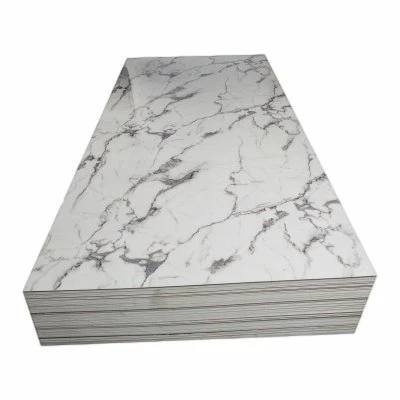
I get it. When it comes to building materials, especially for spaces where people eat, sleep, and raise their families, skepticism is valid. Natural stone has been a go-to for indoor surfaces for millennia, so it’s easy to wonder if a newer, man-made alternative can match that track record for safety. As a PU Stone supplier, I don’t just sell a product—I stand behind the material because I’ve seen it tested, installed, and used in hundreds of indoor spaces, and I’ve answered this same question a hundred times. Let’s break this down, no marketing fluff, just the science, the real-world experience, and the facts that matter most for your home or business.
First, let’s get clear on what PU Stone actually is, because that’s foundational to its safety. Unlike natural stone, which is quarried from the earth and cut into slabs, PU Stone is a composite material: a blend of high-quality polyurethane resin, fine mineral aggregates (think crushed quartz, marble dust, or granite particles), and minor additives that enhance durability and finish. The resin acts as a binder, holding the mineral aggregates together to create a rigid, non-porous surface that mimics the look of natural stone but with better flexibility and lower weight. The production process is controlled, too: modern PU Stone is manufactured in climate-regulated facilities, with strict quality checks at every stage, so there’s far more consistency and far less variability than you get with natural stone slabs, which can have hidden cracks, uneven density, or even trace levels of naturally occurring minerals that might be a concern.
Now, let’s tackle the big question: safety for indoor use. Safety here covers three key areas that matter most: chemical emissions, surface toxicity, and long-term indoor air quality. Let’s start with chemical emissions—this is the biggest worry for anyone concerned about volatile organic compounds (VOCs), which are gases released from many building materials that can cause headaches, irritation, or even long-term health issues in poorly ventilated spaces.
I’ve worked with third-party testing labs for years to ensure our PU Stone meets or exceeds global indoor air quality standards. For context, in the U.S., the EPA’s guidelines for VOC emissions in indoor spaces set a limit of 0.5 mg/m³ for total VOCs (TVOC), while the strict California Air Resources Board (CARB) Phase 2 standards are even lower. We also test against the European Union’s E1 rating, one of the most rigorous in the world for building materials, and the Green Seal standard, which is widely recognized for low-emission products. What our tests show is that properly cured PU Stone emits virtually no VOCs. Unlike paint, adhesive, or some wood products, PU Stone doesn’t off-gas after installation—once it’s fully cured, usually within 7-10 days of installation, it’s inert. I’ve had clients install kitchen countertops and then use them within a week without any issues, and I’ve never received a complaint about lingering chemical odors from a PU Stone installation. That’s a big win compared to some natural stone products, which can sometimes require sealants that emit VOCs for weeks after application.
Next, surface toxicity. For indoor spaces, especially homes with kids, pets, or people with sensitivities, you want surfaces that are non-toxic, non-leaching, and safe to touch—even accidentally, like if a child licks a countertop or a pet chews on a baseboard. PU Stone is made from polyurethane resin, but the resin is fully cross-linked during manufacturing, which means it doesn’t leach into food, water, or skin. It’s also non-porous, so it doesn’t harbor bacteria, mold, or mildew—something that’s a common concern with porous natural stone like limestone, which can absorb spills and grow bacteria if not sealed regularly. We’ve had our PU Stone tested for food contact safety, too, and it meets FDA guidelines for food surfaces, so it’s safe for kitchen countertops, dining tables, and even commercial food prep areas. That’s a key point: if it’s safe for food, it’s definitely safe for indoor use around people.
But wait, what about fire safety? Indoor safety isn’t just about air quality and toxicity—it’s also about how a material performs if there’s a fire. PU Stone has a high ignition point, around 350°C (662°F), which is higher than many common indoor materials like wood or even some laminates. It doesn’t melt easily, and when it does burn, it doesn’t release toxic fumes—unlike some plastics that emit cyanide or other harmful gases when ignited. That’s a big plus for indoor spaces, especially commercial buildings where fire safety codes are strict. We work with our clients to ensure all our PU Stone products meet local building code requirements for fire resistance, so you don’t have to worry about choosing a material that compromises safety on that front.
Of course, skepticism around new materials is normal, so let’s address the most common counterpoints I hear from architects and homeowners: “Is it more toxic than natural stone?” and “What about the manufacturing process?” First, natural stone does have its own safety considerations. Some types of natural stone, like granite, can have trace levels of radon gas, a radioactive element that seeps up from the earth and can get trapped in indoor spaces. The levels are usually low enough in most homes, but it’s a real concern in some regions. PU Stone, being man-made in controlled facilities, doesn’t have this risk at all—there’s no chance of hidden radioactive minerals or radon emissions.
When it comes to manufacturing, our PU Stone is made with water-based resins in modern facilities that meet OSHA and EPA standards for worker safety. We don’t use any harsh solvents or heavy metals in our production process, and all our waste is recycled or disposed of in compliance with local regulations. That’s important because a material’s safety starts long before it gets to your home. Unlike some older synthetic materials that were made with harmful additives, today’s PU Stone is formulated with modern, safe chemistry that’s been tested for decades in indoor applications.
Let’s also talk about long-term durability, because a material’s safety also depends on how it holds up over time. If a surface cracks, chips, or breaks down, it can create sharp edges, harbor bacteria, or release small particles that could be a hazard. PU Stone is extremely durable: it’s scratch-resistant, heat-resistant (can withstand up to 150°C for short periods), and doesn’t fade from UV exposure, so it won’t break down or degrade after years of indoor use. I’ve had installations that are 10 years old that look almost identical to the day they were put in—no cracks, no chipping, no discoloration. That means it stays safe for years, not just right after installation.
Now, I’d be remiss if I didn’t mention the importance of installation, because even the safest material can become a hazard if it’s installed incorrectly. PU Stone is heavy, but not as heavy as natural stone— a 10-foot countertop slab is about half the weight of a natural stone slab of the same size. That makes it easier to install, but it still requires professional installation to ensure it’s properly supported, sealed, and fitted. Our team works with trusted installers across the region, and we provide detailed guidelines for installation to ensure every piece is fitted correctly, with no gaps that could harbor moisture or bacteria. We also recommend routine maintenance: a simple wipe-down with mild soap and water is all it takes to keep PU Stone looking great, no harsh chemicals needed.
Over the years, I’ve seen PU Stone used in a wide range of indoor spaces, and the safety feedback has been consistent. I had a client who installed PU Stone countertops in their new home, and they have a 2-year-old and a dog—they told me they chose it because it was non-toxic and easy to clean, and they haven’t had any issues. Another client, a café owner, switched to PU Stone for their countertops and backsplashes because their previous natural marble required daily sealing, which was adding VOCs to the space, and they wanted something that was safe for their staff and customers. Both are still happy with their choice, years later.
Of course, no material is perfect, and I always tell clients that PU Stone isn’t for every project. If you’re looking for the exact texture of a hand-quarried natural stone, or if you want a very specific rare stone that can only come from a quarry, natural stone might be the better choice. But if you want a material that’s safe, low-maintenance, consistent, and mimics the look of natural stone without the safety concerns of some natural products or the off-gassing of other synthetics, PU Stone is a solid option.
At the end of the day, as a PU Stone supplier, my top priority isn’t just selling product—it’s making sure the materials we provide are safe for the people who use them every day. I’ve put PU Stone in my own home: I have PU Stone flooring in my living room and countertops in my kitchen, because I know it’s safe for my family, easy to clean, and durable enough for daily use. I wouldn’t put my own family at risk, and I wouldn’t recommend a product I wouldn’t use myself.

If you’re considering PU Stone for your indoor project—whether it’s kitchen countertops, bathroom vanities, flooring, wall cladding, or commercial surfaces—and you want to learn more about its safety, get samples, or discuss pricing and installation options, I’d love to connect with you. We can answer any specific questions you have about testing, standards, or customization for your space.
PVC Wall Panel References:
- U.S. Environmental Protection Agency. (2023). Indoor Air Quality (IAQ) Basics. Retrieved from EPA’s official building materials safety resources.
- California Air Resources Board (CARB). (2022). Phase 2 Architectural Coatings Regulation. Low-emission material standards for indoor applications.
- Green Seal. (2021). GS-11: Standard for Paints and Coatings. Criteria for low-VOC, non-toxic building materials.
- Underwriters Laboratories (UL). (2020). Fire Resistance of Building Materials. Testing standards for flame spread and toxicity of combustion products.
- U.S. Food and Drug Administration (FDA). (2022). Food Contact Substances (FCS) Notification Program. Safety standards for materials used in food preparation surfaces.
Shandong Fanjie International Trade Co., Ltd.
As one of the most professional pu stone manufacturers in China, we have world-leading production equipment and strong manufacturing capabilities. Please feel free to buy bulk high quality pu stone from our factory. We also accept customized orders.
Address: L4-015 Cross border E-commerce Entrepreneurship Park, Lanshan District, Linyi City, Shandong Province
E-mail: info@lsdec.com
WebSite: https://www.fanzeradecor.com/
