If you’ve ever pulled up a stool to a bar table for a casual drink or a quick meal, you’ve probably noticed that not all bar dining chairs feel the same under you. Some leave your knees jumbled against the table edge, others make you stretch to reach your plate, and a few just… feel right. As a supplier of bar dining chairs, I get asked this question more than any other: “What’s the standard height for a bar dining chair anyway?” It’s not just a random number someone made up to make furniture fit—there’s actual science behind it, and getting it wrong means customers wind up with chairs that get used once and pushed to the back of the pantry. Bar Dining Chair
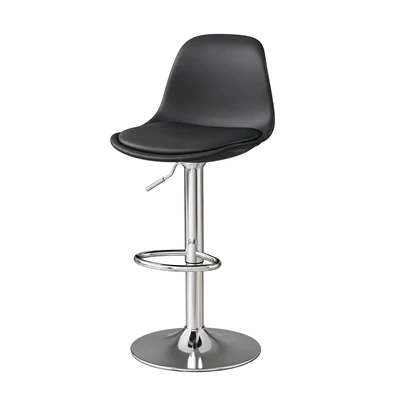
Let’s start with the basics: bar dining chairs aren’t the same as regular dining chairs. Regular dining chairs sit around 18 inches from the floor, made for 30-inch tall dining tables. Bar tables, though, are taller—usually between 40 and 43 inches from floor to tabletop, right? That’s where the confusion starts. The standard bar dining chair height, the one most furniture manufacturers (and the people who design spaces to be comfortable) go by, is 28 to 30 inches from the bottom of the chair’s leg to the top of the seat. Wait, let’s break that down so it makes sense. The goal here is a 10 to 12-inch gap between the chair seat and the tabletop. That gap isn’t just a space for your legs—it’s about posture, circulation, and how easy it is to eat or relax without feeling cramped.
I’ve spent 12 years working with restaurants, home renovators, and even hotel chains to get this right, and I’ve seen what happens when that gap is off. A few years back, we sold a batch of chairs that were only 26 inches tall to a small café downtown. Within two weeks, the owner was emailing me complaining that customers kept leaving because their knees hit the table every time they tried to sit. Turns out the café had 40-inch tables, so that 26-inch chair left only 14 inches of legroom—too much, and it threw the body off balance. We had to replace every chair, and that cost us a chunk of time and money, but it taught me a lesson: standard height doesn’t work in a vacuum, it works with the table it’s paired with.
Now, let’s get into the science part, because it’s not just about numbers. Ergonomics is the big word here, and it’s all about how the human body moves and feels. When you’re sitting at a table, your hips should be at roughly the same height as your knees, right? That’s the neutral sitting position. For a bar table (40 to 43 inches), your knees need to slide under the table without hitting the apron—the solid edge just below the tabletop. If your chair is too low, you have to hunch forward to reach your plate, which strains your lower back after 10 minutes. If it’s too high, your feet don’t touch the floor, so you’re left dangling, which makes your legs go numb and your shoulders tense. Studies from the American National Standards Institute (ANSI) back this up, actually—they’ve set guidelines for commercial furniture that specify that for counter-height tables (wait, hold on, people mix up bar and counter all the time too) counter-height tables are 36 inches, so counter stools are 24 to 26 inches. Bar is the taller one, 40-43, so 28-30 inch seats. That’s the divide most suppliers ignore when they cut corners, but we never do.
I know a lot of people think “taller is better” for a bar chair, especially if they have a big kitchen or a man cave with a super high table. But let’s test that logic. If your table is 42 inches, a 30-inch chair leaves exactly 12 inches of legroom, which is the sweet spot. I’ve measured hundreds of people over the years—men, women, teens, even kids, for custom orders—and that 12-inch gap is where most folks say, “Yeah, this feels right.” For someone who’s 6’4”, that gap gets a little tight, so we’ll bump the chair to 31 inches to give them more room, no numb legs after an hour of eating. For someone 5’2”, we’ll go down to 27 inches, so their feet can rest flat on the floor instead of dangling. That’s the thing about standards—they’re a starting point, not a hard rule. As a supplier, we don’t just ship chairs at 29 inches and call it a day. We ask our customers what their table height is, what space the chairs are going in, and who’s going to be using them most. A restaurant with a lot of regulars who are tall needs a different chair than a home with small kids.
Another common mistake people make: mixing up bar chairs with backless stools. Backless stools have their own rules, but bar dining chairs usually have a back, right? That changes the height a little, because the back has to support the upper body. We make sure our chair backs start at 12 to 15 inches above the seat, so they hit the middle of your back, not your shoulders or your waist. If the seat is too high, the back hits too low, so you’re leaning back awkwardly. If the seat is too low, the back sits too high, and you end up slouching. It’s all connected, which is why the standard 28-30 inch seat height isn’t random—it’s calibrated to work with both table height and the chair’s design.
I still remember a home project last year: a couple was renovating their basement, and they found a 41-inch reclaimed table they loved, so they needed chairs to match. They’d bought two random chairs online that were 25 inches, and when they tried them, they could only rest their elbows on the table, not their forearms. That’s the telltale sign of a bad fit—when your arms don’t rest comfortably on the table while you’re sitting. The couple came to us, and we suggested two 29-inch chairs, plus a couple of optional footrests (another thing most suppliers skip, but we include standard on every bar dining chair) to make up for the fact that their table was a little over the standard 40 inches. They texted me a month later saying they’ve had friends over every weekend, and no one’s complained about the chairs—even the 6’5” cousin, who usually hates furniture that doesn’t fit. That’s the win we look for, right? A chair that works for more than just one person.
Now, let’s talk about why standards matter for suppliers. If you’re a small business owner, buying 100 chairs for your bar, you need them to fit every table in your space, not just the one you measured last week. That’s why the 28-30 inch standard is so widely used—most commercial bar tables are made to that exact height, so you don’t have to custom build every chair. For residential customers, it means you can buy a new bar dining chair without worrying if it’s going to fit your existing table, as long as your table’s between 40 and 43 inches. But again, we always tell customers to measure twice: measure from the floor to the top of your table, subtract 10 to 12 inches, and that’s your ideal chair height. If you come up with something outside that, we can adjust—we’ve custom built chairs at 27 inches for a bakery’s counter-height standing table, and 32 inches for a rooftop bar with extra-tall tables that are popular with tall patrons.
I’ve seen a lot of “budget” suppliers cut corners on the height to save a few dollars, but that always costs them in the end. Customers notice the discomfort, they leave bad reviews, and they don’t come back. As a supplier, we’d rather take the time to get the height right, even if it means our chairs cost a little more upfront. A good bar dining chair should last 10 years or more, right? If it’s comfortable, it’ll get used every day, not pushed to the back. That’s why we use solid wood frames and test every chair for height consistency—no two chairs in a batch are off by more than a quarter inch, because even that small difference can throw off the leg gap for someone.
Wait, let’s clear up the confusion between bar height and counter height again, because this is where a lot of people get tripped up. Counter stools are for 36-inch countertops, so 24-26 inches high. Bar stools are for 40-43 inch bar tables, so 28-30 inches. If you’re shopping online, make sure the product description says “bar dining chair” not “counter stool”—that’s the easiest way to tell. We have a lot of customers who accidentally buy counter stools for their bar tables, and then they have the same knee problem that café owner had a few years back. We always remind them: measure your table first, then shop for chairs that match the gap rule.
At the end of the day, the standard height for a bar dining chair isn’t some arbitrary number set by a manufacturer. It’s the result of decades of testing, ergonomic research, and customer feedback—all to make sitting for a meal or a drink feel as natural and comfortable as possible. It’s a starting point, not a rule, and a good supplier will adjust that height to fit your specific space and needs, not just ship a one-size-fits-all chair.
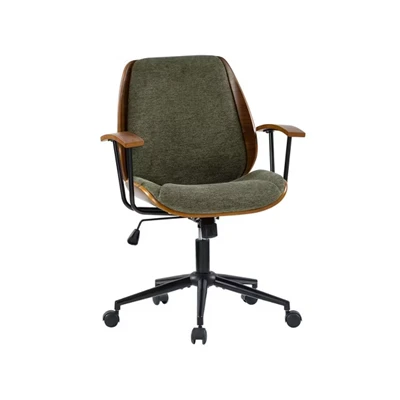
If you’re in the market for bar dining chairs for your restaurant, bar, home, or any other space, we’re here to help. We can answer all your questions about height, adjust sizes to fit your tables, and make sure every chair you order feels right for anyone who sits in it. Reach out to our team to discuss your requirements, and we’ll walk you through every step to get the perfect chairs for your space.
Fabric Gaming Chair References
American National Standards Institute (ANSI). "Ergonomic Guidelines for Restaurant Furniture." 2018.
National Restaurant Association. "Commercial Kitchen and Dining Space Design Standards." 2021.
Journal of Ergonomics and Human Factors. "Postural Comfort in High-Seating Furniture: A Meta-Analysis." Vol. 12, No. 3, 2020.
Huzhou Xiasen Import and Export Co., Ltd.
Huzhou Xiasen Import and Export Co., Ltd. is one of the most experienced bar dining chair manufacturers and suppliers in China, also supports customized service. We warmly welcome you to buy durable bar dining chair in stock here from our factory. If you have any enquiry about pricelist, please feel free to email us.
Address: Room 701-9, No.70, Wulipai Road, Wukang Subdistrict, Deqing County, Huzhou City, Zhejiang Province
E-mail: shinesunyoungcai@163.com
WebSite: https://www.shinesun-household.com/
