Hey there, if you’ve ever hung those festive festoon bulbs for a backyard party, a patio upgrade, or even your wedding decor, you’ve probably wondered: can I make those soft glows a little less bright? That’s a question we get every single week here, and honestly, it’s one of the most common confusions folks have when shopping for festoon bulbs. As a long-time supplier of these little workhorses, I’ve talked to dozens of customers who’ve tried dimming regular string lights and ended up frustrated—so let’s break this down straight, no fancy jargon, just what actually works. Festoon Bulb

First, let’s get the basics: festoon bulbs aren’t your average Christmas string lights. Most standard festoon bulbs (the ones with the plastic base, the E26 or E27 screw fit, and that classic exposed globe look) come in a few main types these days. Old-school incandescent festoon bulbs? Total dimmable. No questions. But the ones that are replacing them for energy savings—LEDs—now, that’s where the confusion hits. Wait, not all LEDs are the same, either. Let’s not skip steps here.
Why would dimming festoon bulbs matter anyway? You might want cozy low light for a late-night dinner on the patio, or dial it way down for a backyard movie night so the screen pops, or even soften it for a intimate birthday party. A lot of people buy festoon lights specifically for ambiance, not just bright illumination—so being able to adjust the light level makes a huge difference in how often you use them. We hear all the time from customers who buy our festoon lights once, then buy extra just to have spares, but the ones who plan for dimming love ’em way more for different occasions.
Now, let’s talk about the do’s and don’ts. The big one: if you want to dim festoon bulbs, you can’t just grab any old dimmer switch. Regular dimmers (the ones for incandescent lights) won’t work for most LEDs, and they can even damage them over time. That’s a mistake we see people make all the time—they pick up a $5 dimmer from the hardware store, plug their festoon string in, and the bulbs flicker or die after a week. Total bummer, right?
Wait, why is that? Incandescent dimmers work by cutting the voltage to the bulb in specific ways that work with their filament. LEDs, though, use electronic circuits inside the bulb to convert power—so they need a dimmer that’s designed specifically for low-voltage or LED lighting, often called an “LED-compatible dimmer” or a “trailing edge dimmer.” There are also some festoon bulbs that are labeled “dimmable” right on the box—always check for that label, because if a bulb isn’t rated for dimming, plugging it into a dimmer can cause that annoying flicker, reduce the bulb’s lifespan, or even create a small safety risk. Yeah, we had a customer last year who didn’t check, and his half-dozen LED festoon bulbs all burned out after two weeks—def avoid that hassle.
What if you’re using low-voltage festoon bulbs, not line-voltage ones? Those are the ones that run on 12V or 24V, usually with a transformer to step down the power. Can those be dimmed too? Absolutely, but again, you need the right gear. A lot of low-voltage festoon kits come with a plug-in dimmer that’s made specifically for their bulbs, which is way easier than trying to wire a new switch. We actually include a small plug-in dimmer with a lot of our dimmable festoon packs, just so customers don’t have to guess. It’s one of those little things that makes the whole process way less stressful.
Hold up—what about dimmers and voltage issues? I can’t tell you how many people ask if matching voltage matters here. If your festoon bulbs are 12V, make sure your dimmer is rated for 12V systems, not 120V. Mixing those? That’s another way to kill bulbs fast. It’s not rocket science, but it’s easy to overlook if you’re not a lighting nerd like us. We always throw a little note with every dimmable festoon order, walking through what dimmer and transformer to use, just to cut out the guesswork.
Wait, what about the myth that all festoon bulbs can’t be dimmed? We get that a lot, from people who tried the wrong dimmer years ago. Let’s clear that up: back in the day, almost all festoon bulbs were incandescent, and they were super easy to dim. Then LED festoon bulbs came out, and a lot of the cheap ones you find at big box stores aren’t dimmable—so people decided they all can’t be. That’s not true. Our dimmable festoon bulbs (both incandescent and LED) work perfectly with the right dimmer, and we’ve tested hundreds of pairs to make sure no flickering, no burnout, nothing.
Another common question: can you dim festoon bulbs if they’re on a battery-powered string? Oh, that’s a great one, because battery-powered is super popular for camping, patios without outlets, RVs. The short answer is: it depends on the bulb and the battery pack. Some battery-powered festoon sets have a built-in dimmer on the plug, which is perfect. Others don’t, but there are add-on battery dimmers you can pick up that work with most standard festoon bases. Just double-check the wattage and the fit before you buy—we’ve seen customers buy a $10 add-on dimmer that didn’t fit their bulbs, so we always remind them to measure the base if they’re not sure.
Let’s talk about the downsides if you do it wrong, not to scare you, just to be real. If you use a non-LED dimmer with dimmable LED festoon bulbs, you’ll get that annoying flicker, right? It’s not just annoying—it shortens the bulb’s life. We found that one customer who used a regular incandescent dimmer on his LEDs had his bulbs last 3 months instead of the 2 years they should. That adds up over time, so spending a few extra bucks on the right dimmer is totally worth it. And some people might get a buzzing sound too—super common with mismatched dimmers, and it’s not great for your backyard vibe, let’s be honest.
What’s the best way to set up dimmable festoon bulbs? Let’s walk through it step by step, like we do with every customer who calls us: First, figure out what kind of festoon bulbs you have. If they’re incandescent, any standard incandescent dimmer works (just make sure it can handle the wattage of your bulbs). If they’re LED, grab an LED-compatible trailing edge dimmer, rated for the voltage of your bulbs (line or low). If they’re battery-powered, check if the set has a built-in dimmer, or pick up a plug-and-play battery dimmer that fits the base. Then, test it first before you hang all the bulbs—we always say that, because it’s way easier to troubleshoot if it’s not working when the bulbs are still on the dining table, not 10 feet up on your house.
Wait, we’ve also had customers who want to dim festoon bulbs in commercial settings, like restaurant patios or shopfronts. That’s another big market for us. For those, we usually recommend dimmable LED festoon bulbs because they save on energy, and the dimmers we use are heavy-duty enough to handle long runs of bulbs, no flickering even with 50+ bulbs on one string. A lot of restaurants use ours to adjust the light from bright lunch service to cozy dinner service, and that makes a huge difference in customer feel. That’s something I love about this job—we’re not just selling bulbs, we’re helping people make spaces that feel right.
What about different wattages? If you’re stringing together multiple festoon bulbs, make sure your dimmer can handle the total wattage. If you have 10 bulbs that are 10W each, that’s 100W total, so your dimmer needs to be rated for at least 100W. That’s another easy mistake—if your dimmer is only rated for 60W, it’ll trip or damage the bulbs. We list the wattage for every bulb on our site, so you can just add up and pick the right dimmer.
Let’s address a random question we get all the time: can you dim festoon bulbs with a smart plug? Yeah, actually! Smart plugs that are dimmable work with most compatible festoon bulbs, and they let you adjust the light from your phone, which is super cool. For people who love tech, that’s a game-changer—you can set a timer to dim the lights at 9PM every night, or adjust them while you’re inside, no getting up to flip a switch. We’ve had so many customers switch to that and say it’s way more convenient than a manual dimmer.
Wait, what’s the difference between dimmable and non-dimmable festoon bulbs? The label is your friend here. Non-dimmable LED festoon bulbs have a simpler circuit, so they don’t react well to the voltage changes dimmer switches make. Dimmable ones have extra circuitry built in to handle that, so they don’t flicker or get damaged. That’s why we never recommend trying to dim a non-dimmable bulb—even if you get it working, it won’t last long, and it’s not worth the hassle.
Now, let’s talk about when you should even bother dimming festoon bulbs. Like, if you just need bright light for a garage or a construction site? Probably not—stick with standard non-dimmable bulbs, they’re cheaper and work fine. But if it’s for a wedding, a backyard dinner, a holiday party, a cozy reading nook? Dimming is key. It turns a string of bulbs from “just lights” into an actual decor piece, and we’ve seen our customers’ events go from good to amazing just by being able to adjust the light.
I should also mention that a lot of people think LEDs are harder to dim, but that’s changing. The good ones now (like the ones we sell) have super reliable dimmable circuits, so you barely have to think about it. We test every batch of dimmable festoon bulbs before they leave our warehouse, so we know they work with all the top dimmer brands—no surprises, no returns for dimming issues. That’s a big deal, because nothing kills a sale like a bulb that doesn’t do what it’s supposed to.
What if you’re dealing with a string that’s already set up and you want to add dimming? No need to re-wire the whole thing. For line-voltage strings, you can just swap the old dimmer for an LED-compatible one—most are easy to install, even if you’re not an electrician. For low-voltage strings, you can usually plug a dimmer right into the transformer, no extra wiring. We send a little install guide with every dimmer we sell, too, so even first-timers can do it.
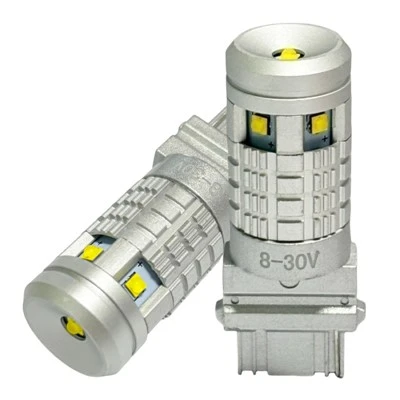
Let’s wrap this up with the real, no-BS takeaway: Yes, festoon bulbs absolutely can be dimmed—if you use the right equipment. Skip the standard incandescent dimmers, skip the non-dimmable bulbs, and double-check the voltage and wattage matches. We’ve spent years perfecting our dimmable festoon lines, so if you’re in the market for bulbs that work with dimmer switches, or you have questions about what’ll work for your space, we’re here to help. Whether you’re outfitting a small backyard patio, a commercial restaurant space, or a wedding venue, we can walk you through the right setup, no confusing terms, no hidden fees. Just shoot us a message to start a conversation about what you need, and we’ll get you the bulbs and gear that work for your space.
G4 Bulb References:
- Lighting Research Center, Rensselaer Polytechnic Institute. (2022). "LED Dimming Compatibility: Best Practices for Residential and Commercial Applications."
- U.S. Department of Energy. (2021). "Energy-Efficient Festoon Lighting: Performance and Dimming Guidelines for Outdoor Use."
- National Electrical Manufacturers Association (NEMA). (2020). "Standard for Low-Voltage Decorative Lighting Systems and Dimming Components."
Nicebulbs
As one of the most professional festoon bulb manufacturers and suppliers in China, our products have good reputation in the market. Please feel free to wholesale cheap festoon bulb for sale here and get pricelist from our factory. Quality products and reasonable price are available.
Address: No. 86 Zhongli Road, Nancheng Street, Dongguan City, Guangdong Province
E-mail: vic@nicebulb.com
WebSite: https://www.nicebulbs.com/
