As a paper labels supplier, I get this question all the time from new clients and long-time partners alike: “Do paper labels fade over time?” It’s a fair one—whether you’re labeling product jars for your small business, shipping boxes for your e-commerce brand, or organizing inventory in a warehouse, a label that fades before its job is done is useless. For years, I’ve seen companies waste money on cheap labels that turn from legible to ghostly in months, and I’ve also watched others rely on paper labels that stay sharp for years. The difference isn’t just “paper” itself—it’s the science behind the label’s construction, the environment it lives in, and how you care for it. Let’s break this down like we do with every customer who sits across my desk to ask for guidance. Paper Labels
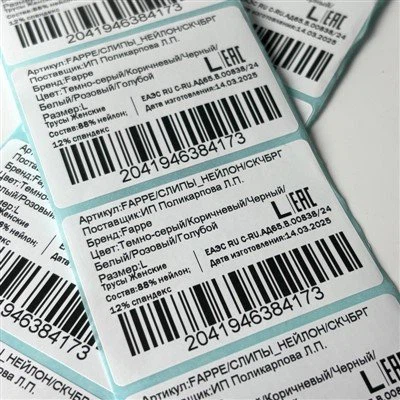
First, let’s get one thing straight: paper labels don’t fade on their own. Fading is a chemical reaction, plain and simple. When light hits colored materials, it excites the molecules in the dyes or pigments that give the label its design—over time, those molecules break down, lose their bond, and the color starts to wash out. It’s the same reason a favorite t-shirt fades after a summer of beach days, or a photo left on a windowsill turns yellow. The same rules apply to paper labels, but there’s way more to it than just “color = fading.”
The base paper you choose is the first line of defense. Most people don’t realize that not all paper is the same for labels. We use two main types of base paper in our shop: uncoated matte paper and coated paper (we go with either gloss or matte coated). Uncoated paper is thin, porous, and cheap, which makes it great for things like handwritten notes or basic shipping labels that only need to last a week or two. But if you slap a vibrant design on uncoated paper and leave it on a product in a retail display, that color will start to fade in 4 to 6 months—because the porous paper lets light penetrate deep, and there’s no barrier to slow down that molecular breakdown. Coated paper, on the other hand, has a thin polymer layer on top that seals in the dye, blocks some UV light, and keeps moisture out. That small layer changes everything: a coated paper label can last 1 to 3 years before noticeable fading, depending on how much direct light it gets.
Then there’s the adhesive. Adhesive might seem like an afterthought, but it’s critical for label longevity. A label that peels off halfway doesn’t count as faded, but it’s just as useless. We use three types of adhesive in our production: permanent, removable, and freezer-grade. Permanent adhesive is the go-to for most retail and product labels—it bonds tightly to smooth surfaces like glass, plastic, or metal, and it resists moisture and mild temperature swings. Removable adhesive is for things like price tags or inventory labels that you’ll need to take off later; it doesn’t stick as aggressively, which means it’s more likely to peel away if it’s exposed to high heat. Freezer-grade adhesive is designed to stay flexible in temperatures as low as -20°F, so labels on frozen food packages won’t crinkle or peel even after a year in a freezer. If you pick the wrong adhesive for your use case, your label might not just fade—it might fall off entirely. That’s a mistake I see all the time: a small business owner uses regular permanent adhesive on labels for their craft beer cans, and by the end of the summer, half the labels are peeling off because the cans get cold and warm as they’re shipped and stored.
The biggest factor in how fast a paper label fades is UV exposure. That’s the real culprit, not the paper itself. A label stored in a dark warehouse closet will barely fade at all, even after 5 years. But a label on a product displayed on a store shelf, 10 feet from a window, will fade 2 to 3 times faster. UV rays are the strongest part of sunlight, and they’re the ones that break down dye molecules the most. We even have a test station in our warehouse where we place sample labels under UV lights that mimic natural sunlight—we can tell a difference in fading in as little as 2 weeks. For customers whose labels will be in direct light, we recommend adding a UV coating to the top of the label. It’s a thin, clear layer that acts like sunscreen for the dye, blocking 90% of harmful UV rays. That small extra step can extend a label’s life from 6 months to 3 years, no extra effort needed on your end.
Wait, but what about other factors? What if your label is exposed to moisture? That’s another big one. If a paper label gets wet, the paper can warp, and the dye can bleed or run—but that’s different from fading. Bleeding is when the color spreads, fading is when it disappears. But moisture can speed up fading too, because it breaks down the chemical bond between the dye and the paper’s coating. For example, labels on cleaning products or outdoor gear that get exposed to rain or cleaning chemicals will fade faster than labels on dry, indoor products. We offer water-resistant coated paper for exactly this reason—it’s treated to repel moisture, so even if your product gets splashed, the label stays intact and the color stays bright.
I’ve had a client who makes organic honey—they were using cheap uncoated labels for their jars, and within 3 months, the labels were so faded that customers couldn’t read the “raw, unfiltered” text. They came to me frustrated, saying “paper labels just don’t last.” We worked with them: we switched them to a 100# gloss coated paper, added a UV coating, and used a permanent adhesive that stands up to the warm honey and the retail display light. Now their labels look brand new 18 months later, even on the jars that sit on store shelves all summer. That’s the difference between choosing the right materials and cutting corners.
Another common myth: “dark colors fade faster than light colors.” Not necessarily. Bright, saturated colors (neon red, electric blue) have larger pigment molecules that are more reactive to light, so they do fade faster than soft pastels. But if you use a UV coating and coated paper, even neon colors can last 2 years or more. On the flip side, light colors like white or pale yellow might look like they don’t fade, but they can yellow over time because of the base paper’s coating reacting to light. That’s why for white labels in direct light, we use a bleached base paper that resists yellowing—another small detail that makes a big difference.
Now, let’s talk about what paper labels are best for, if you’re worried about fading. If your label needs to last less than 6 months—say, a temporary sale tag, a shipping label for a one-time order, or a label for a product that only sells for a few weeks—you can absolutely use a lower-cost uncoated label and not worry about fading. But if your label needs to last a year or more, coated paper, UV protection, and the right adhesive are non-negotiable.
I also want to mention that there are eco-friendly options now, if that’s a priority for your brand. I know a lot of clients care about sustainability, so we offer FSC-certified paper labels that are made from 100% recycled materials, and they still hold up as well as non-recycled coated paper. A few years ago, I was worried that recycled paper would fade faster, but we tested them, and with the right UV coating and adhesive, they last just as long. That’s a game-changer for small businesses that want to reduce their carbon footprint without sacrificing label quality.

At the end of the day, the answer to “do paper labels fade over time?” is: yes, but not if you choose the right label for your use case. The good news is, you don’t have to guess. As a paper labels supplier, I work with every client to figure out their needs: where will the label be? How long does it need to last? What environment will it be in? I don’t just sell labels—I help you pick the ones that will work for your brand, so you don’t have to deal with faded, peeling labels that cost you customers.
Cable Labels If you’re tired of labels that fade too fast, or you’re not sure which type of paper, adhesive, or coating is right for your products, I’d love to sit down and chat. We can go over samples, talk through your timeline and needs, and find a label solution that fits your budget. Don’t let bad labels hold your brand back—reach out today to discuss your procurement needs.
References
- Hadden, M. (2021). The Science of Label Fading: UV Light, Adhesives, and Paper Coatings. Journal of Packaging Technology and Science.
- Sustainable Packaging Coalition. (2022). Eco-Friendly Label Materials: Performance and Longevity.
- National Association of Printing Ink Manufacturers. (2020). Pigment Stability for Print Applications.
- International Paper. (2021). Coated vs. Uncoated Paper for Labeling: A Comparative Analysis.
- FDA. (2020). Guidelines for Label Durability in Food and Beverage Packaging.
Huizhou Yufeng New Materials Co., Ltd.
Huizhou Yufeng New Materials Co., Ltd. is one of the most experienced paper labels manufacturers and suppliers in China, featured by quality products and good price. Please feel free to wholesale durable paper labels for sale here and get pricelist from our factory. We also accept customized orders.
Address: 9th Floor, Building A9, Zhongchuang Yingke New Generation Industrial Park, Tonghu Town, Huicheng District, Huizhou City
E-mail: liangjun@kaiyudianzi.com
WebSite: https://www.yufengstickers.com/
