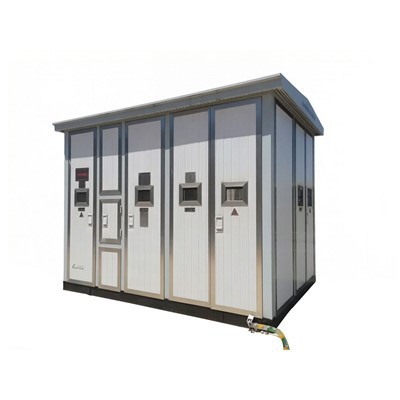
As a supplier of compact substations, I often encounter inquiries from clients about the various components that go into making these essential pieces of electrical infrastructure. One crucial aspect that is frequently overlooked but plays a vital role in the safe and efficient operation of a compact substation is the grounding electrode system. In this blog post, I’ll delve into the different grounding electrode materials used in compact substations, their properties, advantages, and considerations for selection. Compact Substation

The Importance of Grounding in Compact Substations
Before we discuss the materials, it’s important to understand why grounding is so important in a compact substation. Grounding serves several key functions:
- Safety: It provides a low – resistance path for fault currents to flow into the ground. This helps prevent dangerous voltage build – up on equipment enclosures, reducing the risk of electric shock to personnel.
- Protection of Equipment: By diverting fault currents, grounding helps protect electrical equipment from damage due to excessive currents.
- Stability of the Electrical System: It helps maintain the stability of the electrical system by providing a reference point for voltage levels.
Common Grounding Electrode Materials
Copper
Copper is one of the most widely used grounding electrode materials in compact substations, and for good reason.
Properties:
- High Electrical Conductivity: Copper has excellent electrical conductivity, which means it can efficiently carry fault currents into the ground. This low resistance helps to quickly dissipate the energy from a fault, reducing the potential for damage to the substation equipment.
- Corrosion Resistance: It has a relatively high resistance to corrosion, especially in many soil environments. However, in highly acidic or alkaline soils, additional protective measures may be required.
- Ductility: Copper is a ductile material, which makes it easy to shape and install. It can be formed into various shapes such as rods, tapes, and wires, allowing for flexibility in the design of the grounding system.
Advantages:
- Long – Term Performance: Due to its corrosion resistance and high conductivity, copper grounding electrodes can provide reliable performance over a long period, often with a service life of 30 years or more.
- Ease of Installation: The ductility of copper allows for easy installation, whether it’s driving copper rods into the ground or laying copper tapes in trenches.
- Compatibility: Copper is compatible with a wide range of electrical components and can be easily connected to other parts of the grounding system.
Considerations:
- Cost: Copper is relatively expensive compared to some other grounding electrode materials. The initial investment for a copper grounding system can be a significant factor for some projects.
- Availability: In some regions, the availability of high – quality copper may be limited, which can affect the project timeline.
Galvanized Steel
Galvanized steel is another popular choice for grounding electrodes in compact substations.
Properties:
- Good Mechanical Strength: Galvanized steel has high mechanical strength, which makes it suitable for use in harsh environments. It can withstand physical stress during installation and operation.
- Corrosion Protection: The galvanization process involves coating the steel with a layer of zinc, which provides corrosion protection. The zinc layer acts as a sacrificial anode, corroding in place of the underlying steel.
- Moderate Electrical Conductivity: While not as conductive as copper, galvanized steel still offers sufficient electrical conductivity for grounding purposes.
Advantages:
- Cost – Effectiveness: Galvanized steel is generally more cost – effective than copper. This makes it an attractive option for projects with budget constraints.
- Widespread Availability: It is widely available in various forms, such as rods and pipes, which makes it easy to source for a project.
- Suitability for Certain Soils: Galvanized steel performs well in a variety of soil conditions, especially in soils with moderate moisture levels and pH values.
Considerations:
- Limited Lifespan in Aggressive Soils: In highly corrosive soils, the zinc coating may wear off over time, leaving the steel vulnerable to corrosion. In such cases, the service life of the galvanized steel grounding electrode may be shorter.
- Possible Galvanic Corrosion: When galvanized steel is in contact with other metals in the grounding system, there is a risk of galvanic corrosion. Appropriate insulation or connection methods need to be used to prevent this.
Copper – Clad Steel
Copper – clad steel is a composite material that combines the advantages of copper and steel.
Properties:
- High Electrical Conductivity: The copper cladding provides excellent electrical conductivity, similar to that of solid copper. This allows for efficient dissipation of fault currents.
- Good Mechanical Strength: The steel core provides the mechanical strength needed to withstand installation and environmental stresses.
- Corrosion Resistance: The copper cladding acts as a barrier against corrosion, protecting the underlying steel.
Advantages:
- Cost – Efficiency: Compared to solid copper electrodes, copper – clad steel electrodes are more cost – efficient. They offer a good balance between performance and cost.
- Long – Term Durability: The combination of the copper cladding and steel core results in a long – lasting grounding electrode that can perform well in a variety of soil conditions.
- Ease of Installation: Similar to other metal electrodes, copper – clad steel electrodes can be easily installed using standard methods.
Considerations:
- Quality of Cladding: The quality of the copper cladding is crucial. Poorly bonded or thin cladding may lead to premature corrosion and reduced performance.
- Compatibility Testing: As with any new material, it’s important to conduct compatibility testing with other components of the grounding system to ensure there are no issues with galvanic corrosion or other interactions.
Aluminum
Aluminum is sometimes used as a grounding electrode material, although it is less common than copper and galvanized steel.
Properties:
- Low Density: Aluminum is a lightweight material, which can be an advantage during installation, especially in large – scale projects where handling heavy materials can be challenging.
- Good Electrical Conductivity: Although not as conductive as copper, aluminum still has relatively good electrical conductivity.
- Corrosion Resistance: Aluminum forms a thin oxide layer on its surface, which provides some degree of corrosion resistance. However, this layer can be affected by certain environmental factors.
Advantages:
- Lightweight and Easy to Handle: The low density of aluminum makes it easy to transport and install, reducing labor costs.
- Cost – Effective: Aluminum is generally less expensive than copper, making it an option for cost – conscious projects.
Considerations:
- Corrosion in Certain Environments: Aluminum can corrode rapidly in some soil conditions, especially those with high moisture, high salinity, or low pH values. In such cases, additional protection or special installation techniques may be required.
- Low Melting Point: Aluminum has a lower melting point compared to copper and steel. This can be a concern in high – fault – current situations, as the electrode may melt or deform.
Selecting the Right Grounding Electrode Material
When selecting a grounding electrode material for a compact substation, several factors need to be considered:
- Soil Conditions: The type of soil, its moisture content, pH level, and resistivity play a significant role in determining the suitability of a grounding electrode material. For example, in highly corrosive soils, copper or copper – clad steel may be a better choice, while galvanized steel can work well in less aggressive soils.
- Fault Current Requirements: The magnitude and duration of the fault currents that the grounding system needs to handle are important. Materials with higher electrical conductivity, such as copper, are better suited for high – fault – current applications.
- Budget Constraints: The cost of the grounding electrode material is often a major consideration. Galvanized steel and aluminum are generally more cost – effective than copper, but may not offer the same level of long – term performance in all situations.
- Lifespan and Maintenance Requirements: Different materials have different lifespans and maintenance requirements. For example, copper electrodes may require less maintenance over their long service life, while galvanized steel may need periodic inspections to check for corrosion.
Conclusion
The choice of grounding electrode material is a critical decision in the design of a compact substation. Each material has its own unique properties, advantages, and considerations. As a compact substation supplier, I understand the importance of providing a reliable and safe grounding system for our clients. By carefully considering the soil conditions, fault current requirements, budget, and lifespan of the grounding electrode, we can ensure that the compact substation operates efficiently and safely for many years.
Compact Substation If you are in the process of planning a compact substation project and need advice on the best grounding electrode material for your specific requirements, or if you are interested in purchasing high – quality compact substations, I encourage you to reach out. We are here to help you make the right choices and provide you with the best solutions for your electrical infrastructure needs.
References
- "Grounding and Bonding for Electrical Systems," IEEE Standards Association.
- "Electrical Installation Handbook," ABB Group.
- "Corrosion of Metals in Soils," National Association of Corrosion Engineers (NACE).
Anhui Xinchen Electrical Equipment Co., Ltd.
We are one of the most reliable compact substation manufacturers and suppliers in China, specialized in providing high quality customized products. We warmly welcome you to buy bulk compact substation for sale here from our factory. Contact us for quotation.
Address: No. 8, Waihuan South Road, Economic and Technical Development Zone, Ningguo City, Xuancheng City, Anhui Province
E-mail: xinchen0316@126.com
WebSite: https://www.cn-xinchen.com/
