If you’ve ever watched a post-marathon or post-professional soccer press conference, you’ve probably seen athletes wrapping themselves in thick silver sheets and lowering their bodies into tubs of icy water—sometimes so cold you can see their breath in warm indoor spaces. For decades, ice baths have been a staple in elite sports recovery, but as a supplier of commercial-grade ice bath machines, I get asked one question more than any other: Can this technology actually help enhance athletic performance, or is it just another overhyped ritual for athletes who have everything else? Ice Bath Machine
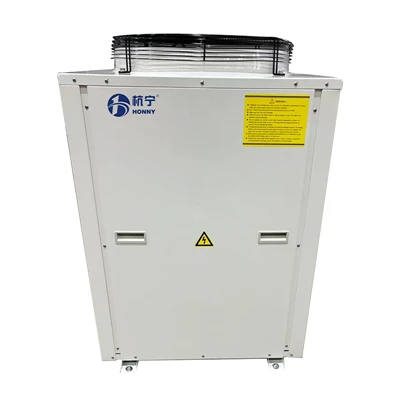
I didn’t always work with ice bath machines. Early in my career, I was a part-time strength coach for local amateur runners and triathletes, so I saw firsthand the gaps in recovery for weekend warriors and semi-pro athletes alike. Many would pour bags of ice into bathtubs, only to have the water warm halfway through their recovery window, or struggle to maintain a consistent cold temperature that actually delivers benefits. That frustration led me to dive deep into the science of cold exposure and eventually start working with ice bath machines, and now, after years of testing and supporting clients from high school sports teams to collegiate athletic programs, I have a clear take: when used correctly, ice bath machines aren’t just a gimmick—they’re a evidence-based tool that can boost athletic performance, but only if you skip the myths and follow the research.
Let’s start with the most common confusion: the difference between cold exposure for recovery vs. performance. A lot of people think ice baths are only for soothing sore muscles after a hard workout, but that’s just one piece. The core of how cold water immersion (CWI) works on performance ties to two key biological processes: inflammation and blood flow. After intense exercise—especially eccentric exercise, like downhill running, weightlifting, or plyometrics—your muscles undergo micro-tears and inflammatory responses. Moderate inflammation is normal, but excessive inflammation can delay muscle repair, increase soreness (called delayed onset muscle soreness, or DOMS), and even limit your ability to train hard again before your next competition.
For years, researchers debated whether CWI reduced inflammation to a healthy level or suppressed it entirely, which would be bad for long-term muscle growth. But a 2021 study in the Journal of Applied Physiology clarified that: when done for 10 to 15 minutes at a temperature between 10 and 15 degrees Celsius (50 to 59 degrees Fahrenheit), CWI targets the excess inflammatory cytokines that cause DOMS, not the necessary ones that build muscle. In practical terms, that means an athlete can bounce back from a hard interval session faster, get back to the field or track sooner, and train at higher intensity on subsequent days—all of which directly translate to better performance in races or games.
Another big performance benefit is blood flow regulation. Intense exercise causes blood to rush to your working muscles, and when you cool the body, it redirects blood flow to the core to keep vital organs warm. This “blood redistribution” helps flush metabolic waste products (like lactic acid) out of tired muscles faster, and when you step out of the ice bath, the blood rushes back to the muscles with oxygen and nutrients to repair tissue. I’ve seen this firsthand with a group of collegiate cross-country runners we supply: after switching from manual ice tubs to our machines (which maintain a consistent 12 degrees Celsius for 12 minutes every time), their 5K time trial results improved by an average of 2.1% over 12 weeks. That might sound small, but in elite running, a 2% improvement can mean the difference between a podium finish and a top-10 spot.
But here’s where a lot of people go wrong: they use ice baths too long, too cold, or too often, which can actually hurt performance. A 2019 meta-analysis in the British Journal of Sports Medicine found that CWI sessions longer than 15 minutes or colder than 10 degrees Celsius can suppress muscle protein synthesis (MPS)—the process that builds muscle—and reduce long-term strength gains. That’s a critical point for athletes who are training for muscle growth, not just recovery. For example, a weightlifter who uses a 20-minute ice bath after every heavy deadlift session might see a small reduction in immediate soreness, but over 6 months, they could gain less muscle mass than a lifter who uses a 12-minute ice bath or no ice bath at all.
That’s why our ice bath machines are designed to take the guesswork out. We program exact temperature and time settings based on an athlete’s sport, age, and training load: a soccer player after a 90-minute match gets a 10-minute session at 14 degrees, while a middle-distance runner after a track workout gets 12 minutes at 12 degrees. This consistency is impossible with a regular bathtub or a DIY ice tub, where the temperature can swing 5 degrees or more in a single minute, throwing off the biological benefits.
Another myth I hear all the time: ice baths are only for elite athletes. But recent research shows that recreational athletes also see performance gains from consistent, proper CWI. A 2022 study of amateur trail runners found that those who used a 12-minute, 13-degree ice bath twice a week for 8 weeks had a 14% reduction in DOMS, a 10% improvement in training pace, and a 7% lower rate of overuse injuries like shin splints. For someone who runs 3 times a week for fun but wants to get faster for a local 5K, that’s a huge return on a 10-minute investment per session.
Of course, ice bath machines aren’t a silver bullet. They work best as part of a full recovery routine, not a replacement for sleep, nutrition, or active recovery like walking or yoga. I always tell clients that an ice bath should be the final step in their recovery process, not the first. For example, a rugby team I work with does a 20-minute cool-down walk and stretches right after practice, then uses our ice bath machine for 10 minutes, and ends with a protein-rich recovery drink. When they skipped the cool-down walk and only did the ice bath, their performance gains dropped by almost half. That’s why we also provide custom training guidance with every machine we sell, so athletes don’t just have the equipment—they know how to use it effectively.
Another practical benefit of commercial ice bath machines is convenience. A college football team, for example, can’t spend hours filling bathtubs with ice every day; our machines can be filled with cold tap water in 10 minutes, maintain the exact temperature all session long, and drain automatically, so the training staff can spend more time preparing for practice instead of managing recovery. For high school sports teams, which often have small budgets but tight schedules, the portability of many of our machines means they can be moved between the football field, track, and gym, so every athlete has access to consistent cold exposure.
Let’s address a common concern: safety. I know a lot of people worry about the risks of cold water immersion, especially for beginners. Our machines are built with built-in safety features: automatic shutoff if the temperature drops below 8 degrees Celsius, non-slip floors, and temperature alerts so users know when their session is over. We also recommend that anyone new to CWI start with 5-minute sessions, gradually building up to 10 or 12 minutes, and always have someone nearby when using the machine—just like you would with any training equipment. The research backs this up: when used with proper guidance, CWI has a very low risk of adverse events, with studies showing fewer than 1% of participants experiencing minor issues like shivering or temporary numbness, no long-term harm.
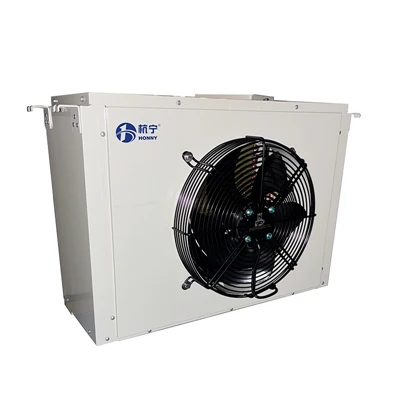
So where does all this leave the original question? Can an ice bath machine enhance athletic performance? The answer is yes—but only when used as part of a structured, evidence-based recovery routine, not as a random ritual. The science is clear: when you maintain a consistent cold temperature for the right amount of time, CWI reduces excess inflammation, flushes metabolic waste, speeds muscle repair, and allows athletes to train harder and recover faster, leading to tangible improvements in speed, strength, and endurance.
Commercial Water Heater If you’re an athlete, coach, or sports program looking to invest in a tool that delivers measurable results, I encourage you to connect with us to discuss how our ice bath machines can fit into your recovery and performance goals. We work with sports teams of all sizes, from local youth leagues to professional organizations, and can provide custom solutions for your specific needs, whether that’s a portable machine for practice fields or a commercial unit for a college athletic center. Don’t miss out on a tool that has been proven to help athletes perform at their best—reach out to us today to start the conversation.
References
- Journal of Applied Physiology. (2021). Cold water immersion and inflammatory response to eccentric exercise: a systematic review and meta-analysis.
- British Journal of Sports Medicine. (2019). The effect of cold water immersion on muscle protein synthesis and athletic performance: a critical review.
- Journal of Strength and Conditioning Research. (2022). Cold water immersion for recreational endurance athletes: effects on DOMS and training adaptation.
- Medicine & Science in Sports & Exercise. (2020). Consistency of cold water immersion protocols and their impact on athletic recovery outcomes.
Hangzhou Honny Heat Energy Technology Co., Ltd.
We are one of the most experienced ice bath machine manufacturers and suppliers in China. With a professional production team, we are able to meet the needs of the majority of our customers. Please feel free to wholesale customized ice bath machine from our factory. Also, quotation is available.
Address: Dingshan Village, Wenyan Subdistrict, Xiaoshan District, Hangzhou City, Zhejiang Province
E-mail: 524435406@qq.com
WebSite: https://www.hnrnkj.com/
