Storing an electric forklift battery properly is crucial for its longevity, performance, and safety. As a supplier of electric forklifts, I’ve seen firsthand the impact of improper battery storage on both the battery itself and the overall operation of the forklift. In this blog, I’ll share some essential tips on how to store an electric forklift battery correctly. Electric Forklift
Understanding the Basics of Electric Forklift Batteries
Before delving into storage methods, it’s important to understand the basic components and functions of an electric forklift battery. Most electric forklift batteries are lead – acid batteries, which consist of positive and negative plates immersed in an electrolyte solution (usually sulfuric acid and water). These batteries store electrical energy through a chemical reaction and release it when powering the forklift.
The performance and lifespan of a lead – acid battery are affected by factors such as temperature, state of charge, and maintenance. When not in use, improper storage can lead to sulfation (the formation of lead sulfate crystals on the battery plates), which reduces the battery’s capacity and can eventually render it useless.
Pre – Storage Preparations
1. Charge the Battery
Before storing the battery, it should be fully charged. A fully charged battery is less prone to sulfation during storage. Use a high – quality charger specifically designed for lead – acid batteries and follow the manufacturer’s charging instructions. It’s important to monitor the charging process to avoid overcharging, which can damage the battery.
2. Clean the Battery
Clean the battery terminals and the outer surface of the battery. Dirt, grime, and corrosion on the terminals can cause poor electrical connections and increase the risk of self – discharge. Use a mixture of baking soda and water to clean the terminals, and then rinse with clean water and dry thoroughly.
3. Check the Electrolyte Level
For flooded lead – acid batteries, check the electrolyte level. The electrolyte should cover the battery plates. If the level is low, add distilled water to bring it to the appropriate level. Do not add sulfuric acid, as this can change the chemical composition of the electrolyte and damage the battery.
Storage Conditions
1. Temperature
Temperature plays a significant role in battery storage. The ideal storage temperature for lead – acid batteries is between 50°F (10°C) and 77°F (25°C). High temperatures can accelerate self – discharge and increase the rate of chemical reactions within the battery, leading to faster degradation. Low temperatures, on the other hand, can reduce the battery’s capacity and make it more difficult to charge.
If the storage area is not temperature – controlled, try to find a location that is protected from extreme heat and cold. Avoid storing the battery in direct sunlight or near heat sources such as radiators or furnaces.
2. Humidity
The storage area should have a relatively low humidity level. High humidity can cause corrosion on the battery terminals and other metal parts. Aim for a humidity level of around 40% – 60%. If the storage area is prone to high humidity, consider using a dehumidifier to maintain a suitable environment.
3. Ventilation
Proper ventilation is essential when storing electric forklift batteries. During the charging and discharging process, lead – acid batteries release hydrogen gas, which is flammable. A well – ventilated storage area helps to disperse the hydrogen gas and reduce the risk of explosion. Ensure that the storage area has adequate air circulation, and avoid storing the battery in a confined space.
Storage Duration and Maintenance
1. Short – Term Storage (Less than 30 days)
For short – term storage, the battery can be left in the forklift if the forklift is in a suitable storage environment. However, it’s still important to keep the battery fully charged. If possible, check the battery voltage every few days to ensure that it remains at an appropriate level.
2. Medium – Term Storage (30 days to 3 months)
If the battery will be stored for a medium – term period, it’s best to remove it from the forklift. Store the battery in a clean, dry, and well – ventilated area at the recommended temperature. Charge the battery to 100% before storage and then perform a topping – up charge every 30 days to prevent self – discharge and sulfation.
3. Long – Term Storage (More than 3 months)
For long – term storage, follow the same pre – storage preparations as for medium – term storage. After fully charging the battery, it’s advisable to perform an equalizing charge. An equalizing charge helps to balance the cells in the battery and prevent stratification of the electrolyte.
During long – term storage, charge the battery every 30 – 60 days to maintain its state of charge. If possible, use a trickle charger to keep the battery at a constant charge level.
Safety Precautions
1. Avoid Overcharging
Overcharging can cause the battery to overheat, release excessive hydrogen gas, and damage the battery plates. Always use a charger with a built – in overcharge protection feature and follow the recommended charging time and voltage.
2. Handle with Care
Lead – acid batteries are heavy and contain corrosive electrolyte. When moving or handling the battery, use appropriate lifting equipment and wear protective gear such as gloves and goggles. Avoid dropping or tilting the battery, as this can cause the electrolyte to spill.
3. Keep Away from Flames and Sparks
As mentioned earlier, lead – acid batteries release flammable hydrogen gas. Keep the battery away from open flames, sparks, and any sources of ignition. Smoking should be prohibited in the battery storage area.
Conclusion
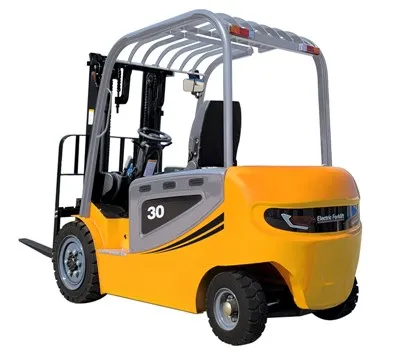
Proper storage of electric forklift batteries is essential for maintaining their performance and extending their lifespan. By following the tips outlined in this blog, you can ensure that your electric forklift batteries are stored in the best possible conditions.
2-6.5Tons Mini Crawler Excavators As a supplier of electric forklifts, I understand the importance of reliable battery performance. If you’re in the market for high – quality electric forklifts or need more information on battery storage and maintenance, I’d be more than happy to assist you. Contact me to discuss your specific requirements and explore how we can provide the best solutions for your material handling needs.
References
- Battery Council International. "Battery Storage Guidelines".
- Forklift manufacturers’ manuals for specific battery storage instructions.
- Technical papers on lead – acid battery technology and maintenance.
Jining Sunsail Machinery Co., Ltd.
With abundant experience, we are one of the most professional electric forklift manufacturers and suppliers in China. We warmly welcome you to buy high-grade electric forklift made in China here from our factory. For price consultation, contact us.
Address: Room 410, Digital Industry Building, Rencheng District, Jining City, Shandong Province,China
E-mail: Sunsail_machinery@163.com
WebSite: https://www.sunsailmachine.com/
