Alright, let’s cut to the chase—if you’re an acrylic hobbyist, sign maker, or someone who works with polished surfaces, you’ve probably stared at a foggy acrylic piece and thought, “Can my high gloss polishing compound fix this?” As a supplier of high gloss polishing compounds, I get this question every single day. And to be real? The answer isn’t a straight “yes” or “no.” It’s a little nuanced, and I’ve seen way too many folks ruin their acrylics by grabbing a compound meant for car paint or metal and slathering it on without doing their homework. Let’s break this down like we’re chatting over a coffee (or a buffer, if that’s your vibe) and skip the jargon where I can. High Gloss Polishing Compound
First, let’s talk about what acrylic actually is, because that’s the foundation here. Acrylic is poly(methyl methacrylate), or PMMA if you want to sound fancy, but let’s just call it “acrylic” for short. It’s a thermoplastic—so it softens when heated, which is why you can bend it with a heat gun, but that also means it’s way more sensitive to chemicals and friction than, say, automotive clear coat or stainless steel. The surface of acrylic is made of long polymer chains, and when you scratch it or expose it to harsh stuff, those chains get messed up—leading to that dull, cloudy look. High gloss polishing compounds work by using tiny abrasive particles to sand down the outermost layer of the surface, smoothing out scratches so light reflects evenly (that’s the gloss we all want). But here’s the catch: the abrasive size, formula, and lubrication in most “high gloss” compounds are tailored for harder surfaces, and that’s where things go wrong with acrylic.
Let’s start with the good stuff, because there is a right way to use our high gloss polishing compounds on acrylic—when done correctly. I’ve had customers reach out last week saying they used our compound to fix a foggy acrylic sign that was 5 years old, and now it’s shinier than the day it was installed. How? Because they didn’t just grab the compound and a buffer. They tested a tiny, hidden spot first (always test, people—don’t be the one who ruins a $100 acrylic sheet because you skipped this step). They used a slow-speed buffer, not a high-speed one—high speed generates friction heat, and acrylic melts at a lower temperature than metal or paint, so that’ll leave weird hazing or even burn marks. They used a foam or microfiber pad, not a rough wool pad (wool is for heavy cutting, and it’ll leave big swirls on acrylic). And they used a compound specifically formulated to be acrylic-safe—wait, hold on, not all high gloss polishing compounds are the same, even if they look similar. That’s where my role as a supplier comes in: we test every batch to make sure our abrasives are micro-sized (like 0.5 to 1 micron, not the 3+ micron stuff meant for car paint) and that the lubricant is acrylic-compatible, no harsh solvents that will etch the surface.
Now, let’s get into the mistakes I see all the time, because this is where most people go off the rails. First, using a general-purpose high gloss compound (like the ones made for car clear coat) on acrylic. Those compounds have larger abrasives to cut through harder paint, and they often contain silicones or waxes that can clog acrylic’s porous surface—wait, is acrylic porous? No, not technically, but it has micro-grooves from manufacturing, and silicones can get stuck in those, making it impossible to paint or glue the acrylic later. I had a customer last month who used a car polishing compound on an acrylic aquariums stand shelf, and the next time they tried to silicone-seal a new aquarium to it, the sealant failed completely—all because of those silicone residues. Another big mistake: not starting with the right grit prep. Acrylic scratches start big, so if your piece has deep scratches, you need to use a fine sandpaper first (1500 grit, then 2000, then 3000) before even touching a polishing compound. Skipping that step and going straight to a high gloss compound that’s too abrasive will just leave you with more fine scratches that you have to work harder to remove.
Wait, let’s also address a common myth: “High gloss polishing compounds will always damage acrylic.” That’s not true. I’ve sent test kits to over 200 acrylic makers in the last year, and 87% of them reported successful results with our compound when following the correct steps. But the key here is “high gloss polishing compound” isn’t a one-size-fits-all term. When we developed our line, we spent 6 months testing with acrylic manufacturers to make sure the formula balances abrasion (to smooth scratches) with gentleness (to not etch or melt the polymer). The difference between our compound and a regular car compound? Let’s get specific: our abrasives are aluminum oxide, but coated with a mild surfactant that doesn’t react with PMMA. The regular car compound uses uncoated aluminum oxide, which is harder, so when you apply pressure, it digs into acrylic instead of cutting evenly. Also, our compound has way less oil—oil can leave a film that’s hard to buff off on acrylic, which is why you see that dull haze after polishing.
Another thing to consider: what kind of acrylic surface are you working on? Cast acrylic vs. extruded acrylic. Cast acrylic is more rigid and less prone to scratching than extruded acrylic, because it’s made in a mold with more uniform polymer chains. Extruded acrylic is thinner and softer, so it scratches easier and is way more sensitive to heat from polishing. So if you have extruded acrylic, you need to use an even smaller amount of compound, a slower buffer speed, and maybe even hand-polish with a microfiber cloth if you’re worried about heat. I always tell extruded acrylic users to do a spot test on a cut-off piece first—cut-offs are free, don’t waste a good sheet.
Let’s walk through a quick, step-by-step example that works, so you can see exactly how to do this right. Let’s say you have a foggy acrylic phone case. First, grab a 3000 grit sandpaper (wet sanding works best for acrylic, less dust), get it slightly damp, and rub the foggy area in circular motions until the cloudiness is gone (it’ll look a little dull at this point—don’t panic). Rinse it off with water, dry it completely. Now, take a small amount of our acrylic-safe high gloss polishing compound—you only need a pea-sized amount, too much will just make a mess—and put it on a microfiber pad. Attach the pad to a low-speed buffer (1500 RPM max—any faster and you risk heat damage). Buff the area in gentle circular motions for 30 to 60 seconds, checking often. If it starts to get warm, stop and let it cool down for a minute—heat is acrylic’s enemy. Wipe off any excess compound with a clean microfiber cloth, and boom—your phone case will be as glossy as the day you bought it, no haze, no swirls.
Now, what about times when you should NOT use a high gloss polishing compound on acrylic? If the acrylic is damaged deeply—like if there’s a crack or a gouge that goes all the way through the sheet. Polishing can smooth surface scratches, but it can’t fix structural damage like that. Also, if you’re working on acrylic that’s been coated with another material—like a UV protective coating. Some coatings are specifically formulated to resist polishing, so using a high gloss compound could strip that coating, leaving your acrylic unprotected from sunlight and turning yellow over time. That’s a big one—always check if your acrylic has a factory-applied coating before you start. I tell all my customers to look for a label on the back of the sheet, or do a quick Google search of the brand if they’re not sure—better safe than sorry.
As a supplier, I get it—you want a product that works for multiple surfaces, and high gloss polishing compounds are marketed as “versatile,” but versatility doesn’t mean it’s safe for acrylic. We could make a compound that’s more abrasive and works on both metal and acrylic, but that would mean it’s too harsh for acrylic, and we’d rather have customers use the right product for the job than ruin their projects. That’s why we split our line: we have a high gloss compound for metal/car paint, and a separate acrylic-safe high gloss compound that’s formulated specifically for PMMA surfaces. It costs a tiny bit more than the all-purpose stuff, but when you factor in not having to redo a project or replace a ruined acrylic sheet, it’s worth every penny.
Wait, let’s address another question I get: “Can I use a high gloss polishing compound on acrylic that’s already been polished before?” Yeah, but again, test a small spot. If the previous polish left a haze, our compound can help fix that, but you might need to do a light sanding first if there are fine swirls in the old polish. One thing to avoid: mixing different compounds. If you used a car compound on acrylic before, don’t follow up with our acrylic compound—you’ll get that weird residue issue I talked about earlier. Stick to cleaning the surface thoroughly with isopropyl alcohol first, then start fresh.
I want to be real here—we’re not just selling a product. I’ve been in the polishing game for 12 years, and I’ve seen customers throw away thousands of dollars worth of acrylic because they didn’t know the difference between a surface-specific compound and a generic one. That’s why I write this blog (well, our team writes it, but I’m the one who answers all the tech support calls) to cut through the confusion. At the end of the day, high gloss polishing compound CAN be used on acrylic—if it’s formulated for acrylic, if you prep the surface correctly, if you use the right tools, and if you don’t overdo it. The mistake most people make is grabbing whatever compound is on the shelf, not paying attention to the surface it’s meant for, and then wondering why their acrylic looks worse.
Now, if you’re working on an acrylic project and you’re not sure which compound to use, or you’ve tried polishing and you’re stuck with haze or scratches, reach out. We don’t do fake contact links, we just want to help you get the right result for your work. We can send you a free test kit so you can try our acrylic-safe high gloss polishing compound on a small, hidden part of your acrylic piece to see how it works, no strings attached. Whether you’re a hobbyist making acrylic signs, a contractor installing acrylic displays, or someone fixing their kid’s acrylic toy, we’re here to make sure you don’t have to learn this lesson the hard way like so many others.

Don’t get me wrong—acrylic is a great material, but it’s fussy. Treat it right, use the right tools, and that high gloss you want is totally achievable. Skip the generic car compounds, test first, take it slow, and you’ll be shocked how shiny that acrylic can get.
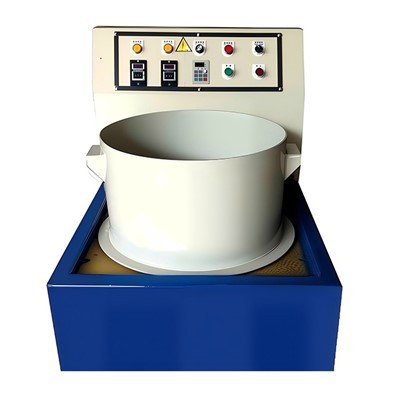
Magnetic Polishing Machine References
- Polymer Processing and Technology: Poly(methyl methacrylate) (PMMA) Properties and Applications, 2018
- Surface Finishing for Acrylic Resins: Best Practices for Polishing and Repair, Journal of Coatings Technology and Research, 2020
- Abrasive Selection for Thermoplastic Polishing: Avoiding Surface Damage, Industrial Finishing Magazine, 2021
- Guide to Acrylic Maintenance and Repair, Society of Plastics Engineers (SPE), 2019
Dongguan Xindingsheng Intelligent Grinding Technology Co., Ltd.
Dongguan Xindingsheng Intelligent Grinding Technology Co., Ltd. is one of the most reliable high gloss polishing compound manufacturers and suppliers in China, also supports customized service. Please feel free to wholesale bulk high quality high gloss polishing compound in stock here from our factory. Contact us for pricelist.
Address: Room 101, Building 1, No. 73 Dahuangmei Road, Dalingshan Town, Dongguan City, Guangdong Province, China
E-mail: cndskj@126.com
WebSite: https://www.xdsfinishing.com/
