In the dynamic landscape of industrial operations, the performance of wall mount industrial sockets is a critical factor that can significantly impact productivity, safety, and overall efficiency. As a trusted supplier of wall mount industrial sockets, I have witnessed firsthand the challenges and opportunities that come with optimizing their performance. In this blog post, I will share some valuable insights and practical tips on how to enhance the performance of wall mount industrial sockets, ensuring they meet the demanding requirements of modern industrial applications. Wall Mount Industrial Socket
Understanding the Basics of Wall Mount Industrial Sockets
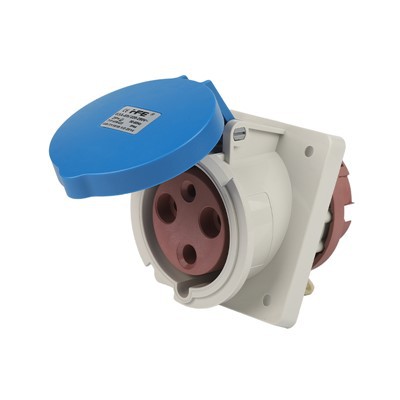
Before delving into the optimization strategies, it is essential to have a clear understanding of the basic components and functions of wall mount industrial sockets. These sockets are designed to provide a secure and reliable connection for electrical equipment in industrial settings. They typically consist of a housing, contacts, and a locking mechanism to prevent accidental disconnection.
The housing of a wall mount industrial socket is usually made of durable materials such as plastic or metal to withstand harsh environments. It protects the internal components from dust, moisture, and mechanical damage. The contacts are responsible for conducting electricity and ensuring a stable connection between the socket and the plug. They are typically made of high-quality copper or other conductive materials to minimize resistance and maximize current flow.
The locking mechanism is an important feature of wall mount industrial sockets, especially in applications where vibration or movement is common. It prevents the plug from accidentally disconnecting, ensuring a continuous and reliable power supply. There are different types of locking mechanisms available, including screw locks, bayonet locks, and push-in locks, each with its own advantages and disadvantages.
Factors Affecting the Performance of Wall Mount Industrial Sockets
Several factors can affect the performance of wall mount industrial sockets, including the quality of the materials, the design of the socket, the installation process, and the operating environment. Let’s take a closer look at each of these factors:
Quality of Materials
The quality of the materials used in the construction of wall mount industrial sockets is crucial for their performance and durability. High-quality materials, such as copper contacts and robust housing, can provide better conductivity, resistance to corrosion, and mechanical strength. On the other hand, low-quality materials may lead to poor electrical performance, increased resistance, and premature failure.
As a supplier, we understand the importance of using high-quality materials in our products. We source our materials from reputable suppliers and conduct rigorous quality control tests to ensure that our wall mount industrial sockets meet the highest standards of performance and reliability.
Design of the Socket
The design of the socket plays a significant role in its performance. A well-designed socket should provide a secure and stable connection, minimize resistance, and prevent overheating. It should also be easy to install and use, with clear markings and indicators for proper connection.
Our wall mount industrial sockets are designed with these factors in mind. We use advanced engineering techniques and computer-aided design (CAD) software to optimize the design of our sockets, ensuring they meet the specific requirements of our customers. We also offer a variety of socket designs to choose from, including single-phase, three-phase, and high-current sockets, to meet the diverse needs of different industrial applications.
Installation Process
The installation process is another critical factor that can affect the performance of wall mount industrial sockets. Improper installation can lead to loose connections, increased resistance, and overheating, which can ultimately result in equipment failure or even electrical hazards.
To ensure proper installation, it is important to follow the manufacturer’s instructions carefully. Our wall mount industrial sockets come with detailed installation instructions and diagrams to guide you through the process. We also offer technical support and training to our customers to help them install our products correctly and safely.
Operating Environment
The operating environment can have a significant impact on the performance of wall mount industrial sockets. Harsh environments, such as high temperatures, humidity, dust, and vibration, can cause damage to the socket and its components, leading to reduced performance and premature failure.
To ensure the performance and durability of our wall mount industrial sockets in harsh environments, we offer a range of products with special features and coatings. For example, our sockets can be equipped with IP-rated enclosures to provide protection against dust and water ingress. We also offer sockets with anti-vibration features to prevent loose connections and ensure a stable power supply.
Optimization Strategies for Wall Mount Industrial Sockets
Now that we have a better understanding of the factors affecting the performance of wall mount industrial sockets, let’s explore some optimization strategies that can help you enhance their performance and reliability:
Choose the Right Socket for Your Application
The first step in optimizing the performance of wall mount industrial sockets is to choose the right socket for your application. Consider the following factors when selecting a socket:
- Voltage and Current Rating: Make sure the socket is rated for the voltage and current requirements of your equipment. Using a socket with a lower rating can lead to overheating and premature failure, while using a socket with a higher rating can be wasteful and expensive.
- Number of Phases: Depending on your application, you may need a single-phase or three-phase socket. Make sure the socket you choose is compatible with the number of phases of your equipment.
- Plug Type: Different types of plugs are used in different countries and industries. Make sure the socket you choose is compatible with the plug type of your equipment.
- Operating Environment: Consider the operating environment of your equipment when selecting a socket. If your equipment is exposed to harsh conditions, such as high temperatures, humidity, dust, or vibration, choose a socket with special features and coatings to provide protection.
Install the Socket Correctly
Proper installation is crucial for the performance and reliability of wall mount industrial sockets. Follow these tips to ensure correct installation:
- Read the Installation Instructions: Before installing the socket, read the manufacturer’s instructions carefully. Make sure you understand all the steps and requirements.
- Use the Right Tools: Use the right tools for the installation process, such as a screwdriver, drill, and wire stripper. Using the wrong tools can damage the socket and its components.
- Follow the Wiring Diagram: Follow the wiring diagram provided by the manufacturer to ensure correct wiring. Incorrect wiring can lead to electrical hazards and equipment failure.
- Secure the Socket: Make sure the socket is securely mounted to the wall or panel. Loose mounting can cause vibration and movement, which can lead to loose connections and overheating.
Maintain the Socket Regularly
Regular maintenance is essential for the performance and longevity of wall mount industrial sockets. Follow these tips to maintain your sockets:
- Inspect the Socket Regularly: Inspect the socket regularly for signs of damage, such as cracks, corrosion, or loose connections. If you notice any damage, replace the socket immediately.
- Clean the Socket: Clean the socket regularly to remove dust, dirt, and debris. Use a dry cloth or a mild cleaning solution to clean the socket. Avoid using abrasive materials or solvents, as they can damage the socket and its components.
- Tighten the Connections: Check the connections regularly and tighten them if necessary. Loose connections can cause increased resistance and overheating, which can lead to equipment failure or even electrical hazards.
- Test the Socket: Test the socket regularly to ensure it is functioning properly. Use a multimeter or a socket tester to test the voltage and continuity of the socket.
Upgrade the Socket if Necessary
If you are experiencing problems with the performance of your wall mount industrial sockets, such as overheating, loose connections, or frequent disconnections, it may be necessary to upgrade the socket. Consider the following factors when upgrading the socket:
- New Technology: New technologies are constantly being developed to improve the performance and reliability of wall mount industrial sockets. Consider upgrading to a socket with the latest technology to enhance its performance.
- Increased Load Capacity: If your equipment has increased in power or load capacity, you may need to upgrade to a socket with a higher voltage and current rating.
- Improved Safety Features: New sockets may come with improved safety features, such as overcurrent protection, short-circuit protection, and ground fault protection. Consider upgrading to a socket with these features to enhance the safety of your equipment.
Conclusion

Optimizing the performance of wall mount industrial sockets is essential for ensuring the productivity, safety, and efficiency of your industrial operations. By understanding the basic components and functions of wall mount industrial sockets, considering the factors that affect their performance, and implementing the optimization strategies outlined in this blog post, you can enhance the performance and reliability of your sockets and ensure they meet the demanding requirements of modern industrial applications.
Industrial Plug and Socket As a trusted supplier of wall mount industrial sockets, we are committed to providing our customers with high-quality products and excellent customer service. If you have any questions or need further information about our wall mount industrial sockets, please do not hesitate to contact us. We look forward to working with you to optimize the performance of your industrial electrical systems.
References
- Electrical Installation Handbook, Schneider Electric
- Industrial Electrical Maintenance, McGraw-Hill Education
- National Electrical Code (NEC), National Fire Protection Association (NFPA)
Zhejiang Hefeng Electric Co., Ltd.
Zhejiang Hefeng Electric Co., Ltd. is one of the most professional wall mount industrial socket manufacturers and suppliers in China, featured by quality products and low price. Please rest assured to buy durable wall mount industrial socket made in China here from our factory. Also, OEM service is available.
Address: Wenzhou Daqiao Industrail Park, Beibaixiang Town, Yueqing City, Zhejiang Province, China
E-mail: hefengplug@chinahfe.com
WebSite: https://www.hfcee.com/
