If you’re reading this, chances are you’ve encountered pullulan before—even if you didn’t know its name. As a supplier of pullulan capsules, I get asked this question at least once a week: “What is pullulan actually derived from?” It’s a fair question, because pullulan isn’t a household name like gelatin or cellulose, but it’s slowly becoming the go-to material for soft capsules, drug delivery systems, and even food coatings. Let’s break this down, from how it’s made to why we choose it for the products we supply. Pullulan Capsules
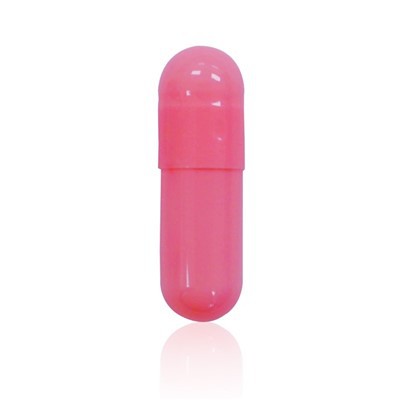
First, let’s start with the basics: pullulan is a polysaccharide, which is just a long chain of sugar molecules linked together. But not all polysaccharides are created equal, and what makes pullulan unique is the way its sugars connect. Most polysaccharides like starch or cellulose are made of glucose linked in straight lines or branched in a specific, rigid pattern. Pullulan’s structure is different: it’s a linear polymer of maltotriose units, which are three glucose molecules connected in an alpha-1,4 glycosidic bond, and then those maltotriose units are linked together by alpha-1,6 glycosidic bonds. That sounds technical, but it’s what gives pullulan its superpowers— it’s water-soluble, film-forming, biodegradable, and completely non-toxic.
Now, the big part: where does it come from? The original source of pullulan was a fungus called Aureobasidium pullulans. Back in the 1930s, researchers noticed this mold growing on rotting wood and tree bark, and when they looked closer, they saw it produced a sticky, gel-like substance to protect itself. That substance was pullulan. For decades, this wild fungus was the only source, and it was expensive to produce because the yield was low and the purification process was tricky. But in the 1970s, scientists figured out how to optimize fermentation of Aureobasidium pullulans to mass-produce pullulan, and that’s when it started moving from a lab curiosity to an industrial material.
Wait, let’s get specific about that fermentation process, because this is where it gets interesting (and important for anyone using pullulan capsules). The process is a form of microbial fermentation, similar to how yogurt is made with bacteria, but here we use a carefully cultivated strain of Aureobasidium pullulans. The fungus is fed a nutrient-rich broth— usually a mix of carbohydrates like sucrose, glucose, or molasses (byproducts from sugar refining, which makes it a sustainable raw material), plus nitrogen sources like yeast extract or ammonium salts, and minerals. The fungus grows in large, sealed fermenters, where we control temperature (around 25-30°C, which is room temperature, easy to maintain), pH (between 5 and 6, slightly acidic), and oxygen levels. As the fungus feeds on the sugars in the broth, it excretes pullulan as a waste product from its cellular metabolism. That pullulan dissolves into the broth, and after a few days of fermentation, we separate the fungus cells from the liquid, then purify the pullulan by filtering, concentrating, and drying it into a powder.
One common question here is: is pullulan vegan? Because that’s a big deal for capsule users. The original fungus is a microbe, and the fermentation uses plant-based nutrients— no animal products, no gelatin, no shellac. That’s why pullulan capsules are a popular alternative to gelatin capsules for vegan, kosher, and halal consumers. As a supplier, that’s one of the biggest reasons we focus on pullulan: it meets a demand for more inclusive, clean-label materials that don’t rely on animal byproducts.
Now, why does the source matter for pullulan quality? Not all pullulan is made the same, and that’s where our experience as a supplier comes in. The strain of Aureobasidium pullulans we use isn’t the wild one from rotting wood— it’s a specially selected, non-pathogenic lab strain that we’ve optimized over years of production. Wild Aureobasidium can sometimes produce small amounts of other compounds, like melanin (which gives the fungus its dark color) or beta-glucans, which can affect the clarity and solubility of pullulan. By using a purified, domesticated strain, we eliminate those impurities, so our pullulan is consistent, clear, and perfect for making capsules that dissolve evenly, don’t crack, and hold their shape for shelf life.
We also use only non-GMO raw materials for our fermentation broth. Many of our clients are in the supplement, pharmaceutical, and food industries, where non-GMO sourcing is a requirement. That’s why we partner with sugar refineries that produce molasses from non-GMO sugarcane or beets, so the entire supply chain is transparent and aligns with clean-label standards.
Let’s put this in context with real-world uses, because pullulan’s origin directly affects how it’s used. For example, pharmaceutical companies use pullulan capsules for drugs that need to dissolve in the small intestine instead of the stomach— pullulan is stable in acidic stomach conditions, so it only breaks down when it reaches the neutral pH of the intestines, which is perfect for timed-release medications. Food manufacturers use pullulan as an edible coating for fruits and vegetables to extend shelf life, because it’s tasteless, moisture-resistant, and completely compostable. And as a supplier, our pullulan capsules are used in everything from omega-3 supplements to probiotics to herbal remedies.
Wait, has pullulan been around long enough to be safe? That’s another question we get. The FDA has classified pullulan as GRAS (Generally Recognized As Safe) since 1980, and the EFSA (European Food Safety Authority) approved it for food use in 2006. It’s also accepted for pharmaceutical use in most major markets, including the US, EU, and Japan. The safety comes down to its origin: because it’s a natural polysaccharide, our bodies break it down into glucose, just like we do with starch, so it’s easily metabolized with no harmful side effects.
I want to address a common misconception here: some people think pullulan is the same as agar or alginate, but those come from seaweed. No, pullulan’s only microbial source (for commercial production) is Aureobasidium pullulans. There have been some studies looking at other microbes that produce similar polysaccharides, but none of them have been scaled to industrial production yet. For now, Aureobasidium pullulans is the only reliable, cost-effective source of high-quality pullulan for capsules and other applications.
As a supplier, we take pride in the entire process— from the selection of the fermentation strain to the final capsule product. We don’t cut corners on purification, because if pullulan has even a small amount of residual fungus or impurities, it can affect how the capsule performs. For example, a pullulan capsule that’s not properly purified might become discolored or start to degrade before its expiration date, which is a problem for both manufacturers and end users. That’s why we test every batch of our pullulan against strict purity standards, including testing for residual fungus, heavy metals, and microbial contaminants.
Let’s talk about sustainability, too, because that’s a big part of why we chose pullulan as a product to supply. The fermentation process for pullulan uses molasses, which is a byproduct of sugar refining— so it’s diverting a waste product into a high-value material, which reduces overall food waste. Pullulan is also biodegradable: if a pullulan capsule is discarded in the environment, microbes will break it down in a matter of weeks, unlike plastic capsules or even some cellulose-based capsules that can take months to decompose. That’s a huge benefit for companies looking to reduce their carbon footprint.
Now, if you’re here because you’re looking to switch to pullulan capsules for your supplement, pharmaceutical, or food product, understanding where pullulan comes from helps you make a better choice. Not all pullulan suppliers are the same: some use lower-grade strains, or use GMO raw materials, or skimp on purification. As a supplier, we’ve been in this industry for years, so we know the ins and outs of the fermentation process, and we work directly with manufacturers to ensure our pullulan meets their specific needs— whether that’s size, clarity, solubility, or adherence to vegan, kosher, or halal standards.

I’ll wrap this up by saying that pullulan is a perfect example of how natural, microbial-derived materials can solve real problems in the capsule industry. Its origin in a simple fungus, optimized through modern fermentation technology, makes it versatile, safe, and sustainable. If you’re interested in learning more about our pullulan capsules, or would like to discuss your specific needs for product development or bulk purchasing, feel free to reach out to our team to start a conversation.
Enteric Coated Capsules References
- Singh, R. S., et al. (2008). Pullulan: Microbial production, applications, and prospects. Biotechnology Advances, 26(5), 451-462.
- U.S. Food and Drug Administration. (1980). GRAS Notification for Pullulan.
- European Food Safety Authority. (2006). Opinion on the safety of pullulan as a food additive. EFSA Journal, 4(10), 412.
- Costa, S. S., et al. (2020). Aureobasidium pullulans: A Review of Its Production, Properties, and Industrial Applications. Journal of Fungi, 6(4), 287.
Hubei Kornnac Pharmaceutical Co., Ltd.
Hubei Kornnac Pharmaceutical Co., Ltd. is one of the most professional pullulan capsules manufacturers and suppliers in China, specialized in providing high quality OEM service. Welcome you to buy bulk customized pullulan capsules at competitive price from our factory. Also, samples are available.
Address: No.439 Hebei Avenue, Chibi, Hubei Province, 437300, China.
E-mail: service@kornnaccaps.com
WebSite: https://www.kornnaccaps.com/
