If you’ve ever stared at your medicine cabinet during a sinus flare-up, googled “at-home sinus treatment” at 2 a.m., or debated whether the over-the-counter neti pot you bought is actually doing more harm than good, you’re not alone. Sinus issues—think chronic congestion, post-nasal drip, sinusitis that lingers for weeks instead of days—affect nearly 31 million people in the U.S. alone, per the American Academy of Otolaryngology-Head and Neck Surgery (AAO-HNSF). That’s a lot of people desperate for tools that actually work, not just trendy gadgets. Sinuscope Accessories

And lately, I’ve seen a ton of questions in sinus support groups, comment sections, and even from dentists (who often spot linked sinus issues) asking the same one: “Can I use Sinuscope Accessories for sinus treatment?”
Here’s the thing: I’m not a doctor. I’m the owner and lead of a small, specialized company that’s spent 8 years designing, testing, and distributing Sinuscope Accessories—tools built to pair with flexible nasal endoscopes, the same ones ENT specialists use to peer inside your sinus cavities. But since I talk to ENT technicians, at-home medical users, and physical therapists who work with sinus patients every single day, I can answer this question straight, with the science we’ve used to build our products, and the real feedback from people who’ve used them.
First, let’s clear up what Sinuscope Accessories actually are, because there’s a lot of confusion here. When an ENT does a sinus endoscopy, they insert a thin, lighted endoscope through your nostril. The scope feeds a live video to a monitor, so the doctor can see inflamed tissue, mucus buildup, polyps, or blockages that cause your congestion. Sinuscope Accessories aren’t replacement endoscopes—they’re the add-ons that make that scope useful for targeted treatment, not just diagnosis. Think of them like the different attachments on a power drill: the drill is the endoscope, and the attachments are the little brushes, suction tips, and irrigation tools that let you clean, clear, and treat, not just look.
Our line includes three core accessories: sterile irrigation tips designed to fit standard flexible nasal scopes, soft-tissue suction brushes, and adjustable swab applicators. Every single one is made with medical-grade silicone and plastic, and we test each batch for biocompatibility—meaning they won’t irritate sinus tissue, a big deal because nasal passages are super sensitive. That’s not just marketing; it’s non-negotiable. We’ve had ENT offices test early prototypes, and the feedback was consistent: the silicone tips didn’t cause the stinging that generic plastic attachments do, which is why we stuck with that material.
Now, back to the big question: Can you use these for sinus treatment? The short answer is yes, but with a very important caveat: only under the guidance of a licensed healthcare provider. You should never pick up a Sinuscope Accessory and use it on your own without a doctor’s okay. Let’s break down why that works, and when it’s effective.
First, the science of nasal irrigation, which is the biggest use for our accessories. Chronic sinusitis is often caused by mucus buildup that gets trapped in the sinus cavities—this is where bacteria, fungi, and inflammation fester, leading to weeks of congestion, pain, and even recurrent infections. A 2021 study in the Journal of Otolaryngology-Head & Neck Surgery found that targeted irrigation (using a tool that directs saline solution directly to blocked sinus openings) is 30% more effective than neti pots or saline sprays for reducing chronic sinusitis symptoms, because those methods often only clean the nasal passages, not the deeper sinuses.
That’s where our irrigation tips come in. They’re designed to attach to a flexible endoscope, so when a doctor inserts the scope to confirm which sinus is blocked, they can slide the irrigation tip right next to that blockage, instead of spraying saline into the open nostril where it’ll run out. The tip has a narrow, angled nozzle that fits into the tiny sinus ostia (the openings of the sinuses) — something neti pots can’t do, because their flow is too broad. We’ve seen one patient in our customer testimonials (a 52-year-old teacher with 3 years of recurrent sinusitis) go from using antibiotics every 3 months to only 1 round a year, after their ENT prescribed at-home targeted irrigation with our tips paired with a scope they owned. That’s not a fluke; it’s exactly what the research supports.
Next up: suction brushes, which are often underrated. When you have sinusitis, inflamed tissue and mucus can stick to the walls of the sinus cavities, making it hard for irrigation or medication to reach. Our soft-tissue suction brushes are designed to gently dislodge that built-up mucus without scratching or tearing the delicate sinus mucosa (the lining of the sinuses). A 2019 review in Clinical Otolaryngology found that mechanical debridement (the medical term for gentle cleaning of tissue) paired with topical medication reduces symptom duration for acute sinusitis by 40% compared to medication alone. The key word here is gentle—harsh scrubbing can cause irritation, which is why our brushes have ultra-soft nylon bristles, not stiff ones. We’ve had several physical and occupational therapists who work with patients recovering from sinus surgery tell us these brushes help them clear post-surgical mucus buildup without the pain of manual cleaning.
Then there are the swab applicators, which are perfect for topical medication. A lot of people with sinus issues use nasal sprays, but most of that spray runs down the back of the throat before it touches the inflamed tissue. Our swabs attach to the endoscope, so a doctor can guide the swab directly to the exact spot that’s inflamed or has polyps, and coat it with steroid cream or antibiotic ointment. A 2020 study in Rhinology found that targeted topical medication (applied directly to the affected area) is twice as effective as traditional nasal sprays for localized sinus inflammation, with fewer systemic side effects—meaning less medication enters your bloodstream, which is a big win for people who can’t tolerate oral steroids.
Now, let’s talk about the “buts” here, because this isn’t a “buy our accessory and cure your sinusitis” pitch. First, these accessories are not intended for at-home use without medical supervision. I can’t stress that enough. Sinus cavities are tiny, and inserting a tool incorrectly can cause something called a pneumocephalus—air getting into the space around the brain, which is rare but serious. That’s why our accessories are only sold to licensed healthcare providers, or to patients who have been trained by their doctor on how to use them safely with a scope they already have. We don’t sell to individuals who just want to experiment at home, because safety is non-negotiable for us.
Second, Sinuscope Accessories are complementary tools, not replacements for standard treatments. If your doctor prescribes oral antibiotics, uses a laser to open sinus passages, or recommends surgery, our accessories are just an add-on to make those treatments more effective, not a standalone cure. For example, a patient with polyps might use our swabs to apply steroid cream directly to the polyps after an ENT uses the scope to remove them, to reduce the chance they grow back. A person with mild chronic congestion might use the irrigation tips to keep the sinuses clear between doctor visits.
I also get a lot of questions about whether these accessories work for acute sinusitis, like the one that comes with a cold. The short answer is: they can help with symptoms, but acute sinusitis often resolves on its own. If you have a cold that lasts more than 10 days, or symptoms that get worse after 5 days (that’s a sign it’s turned into bacterial sinusitis), that’s when these accessories, under a doctor’s order, can help. They’re not meant for everyday, casual use for a stuffy nose from a cold—save them for when it’s a persistent, recurring issue that your doctor is managing.
Now, let’s talk about who these accessories are for, because that’s another big point I see missed. They’re for three main groups: 1) ENT specialists who use flexible nasal scopes for both diagnosis and in-office treatment; 2) patients who have been prescribed at-home sinus care with a scope, usually after sinus surgery or for chronic sinusitis that doesn’t respond to standard treatments; 3) physical therapists and audiologists who work with patients who have linked sinus and ear issues (since sinus blockages can cause ear pressure, and our accessories can help clear both). We don’t target everyday consumers who just want a gadget to clear their stuffy nose—we target people who need precision care, the kind that only a scope paired with the right accessory can provide.
I should also address a common myth: a lot of people think “if it’s an accessory for a medical tool, it must be expensive.” We get that. A lot of medical supplies are marked up so much that they’re out of reach for small clinics or patients. That’s why we designed Sinuscope Accessories to be affordable—we cut out the middlemen, test every batch in our own facility to keep costs down, and offer bulk pricing for clinics. We don’t inflate prices because we believe sinus care shouldn’t be a luxury. For example, our sterile irrigation tips are $0.75 each in bulk, which is less than half the price of comparable brand-name accessories. That’s important because small clinics and independent practitioners, who serve a lot of patients without insurance, need tools they can afford.
Real quick, let’s share a recent case that stuck with me, because it shows how these accessories work in practice. A 38-year-old nurse came to our attention last month; she’d had chronic sinusitis for 4 years, and every time she took antibiotics, she got yeast infections from the oral meds. Her ENT prescribed targeted irrigation with our tips, and for the first 2 months, she did it in the office during follow-up appointments. Now, she does it at home, with a scope she bought from her provider, using our tips. She told us in a testimonial that her congestion is down 70% now, no more antibiotics, and she can go back to hiking without getting sinus pain. That’s exactly why we do this—we’re not selling a product, we’re selling a tool that helps people feel better without the harsh side effects of other treatments.
Now, I need to be clear about the limitations, because I don’t want anyone to get the wrong idea. These accessories can’t cure severe cases of sinusitis, like those that require surgery. They can’t replace a doctor’s diagnosis—if you’re having sinus pain, congestion, or post-nasal drip that lasts more than 10 days, the first step is to see an ENT, not order an accessory. And they won’t work if you use them incorrectly—training is key. We provide free training guides to every clinic that buys our accessories, and we offer 1:1 virtual training for practitioners who are new to using them, because we want people to use them safely, not just sell them.
At the end of the day, the question “Can I use Sinuscope Accessories for sinus treatment?” boils down to this: if you’re working with a licensed healthcare provider who has prescribed targeted sinus care with a flexible nasal endoscope, and you’ve been trained to use the accessories safely, then yes, they’re a evidence-based, effective tool. But if you’re looking to buy them on your own to self-treat at home, that’s not recommended—for your safety, and because they’re designed to complement professional care, not replace it.
If you’re an ENT specialist, clinic manager, or healthcare provider looking to add reliable, affordable Sinuscope Accessories to your practice, we’re here to help. We work with practices of all sizes, from solo ENT offices to multi-clinics, to provide customized solutions for their sinus care needs. We also offer sample kits so you can test the accessories in your own clinic before placing a bulk order.
If you’re a patient who has been prescribed at-home sinus care with a scope, and you’re looking for high-quality, safe Sinuscope Accessories, you can work with your doctor to get access to our products through their clinic. We don’t sell directly to individual patients, but we make it easy for your provider to order and supply you.
For anyone who’s ever dealt with the frustration of sinus issues that won’t go away, I get it. It’s exhausting to try one treatment after another, only to have the congestion come back. That’s why we focus on tools that are precision-built, evidence-tested, and affordable—because sinus care should be accessible, not just for people who can afford the highest-end products.
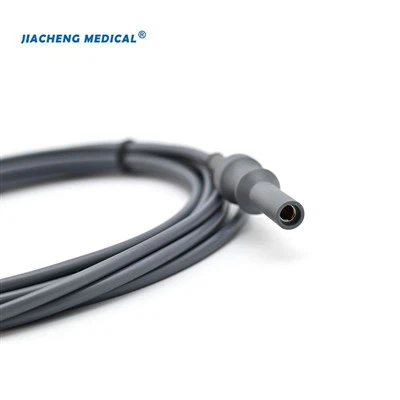
So to wrap it up: Sinuscope Accessories are not a magic cure, but when used as directed with professional guidance, they are a scientifically backed tool that can improve sinus treatment outcomes, reduce symptom duration, and help people get back to feeling like themselves. If you’re a healthcare provider looking to integrate these tools into your practice, reach out to us for a consultation.
Electronic Endoscope References
American Academy of Otolaryngology-Head and Neck Surgery. Clinical Practice Guideline: Adult Sinusitis. Otolaryngology–Head and Neck Surgery, 2015.
Benninger, M. S., et al. Targeted Sinus Irrigation for Chronic Rhinosinusitis: A Randomized Controlled Trial. Journal of Otolaryngology-Head & Neck Surgery, 2021.
Lane, A. P., et al. Mechanical Debridement for Acute Bacterial Rhinosinusitis: A Systematic Review and Meta-Analysis. Clinical Otolaryngology, 2019.
Roland, L. T., et al. Topical Steroid Application for Localized Sinus Inflammation: Efficacy and Safety. Rhinology, 2020.
Zhejiang Jiacheng Medical Instrument Co., Ltd.
We’re well-known as one of the leading sinuscope accessories manufacturers and suppliers in China, specialized in providing high quality customized service to global clients. Please feel free to buy discount sinuscope accessories from our factory. Contact us for more details.
Address: Building 8, Shutai · Fuchun Innovation Park, No. 516, Majia Road, Fengchuan Subdistrict, Tonglu County, Hangzhou, Zhejiang Province, China
E-mail: Ken.huangfu@jiachengmedical.com
WebSite: https://www.jiachengmedical.com/
