If you’ve ever stood in a beauty store aisle, swatched three different nude lipsticks only to find one makes your lips look ashy, another makes your smile fall flat, and a third disappears so quickly you reapply every hour, you’ve probably asked a quiet question: Can a lipstick base actually help here? As someone who’s spent the last 12 years sourcing and formulating lipstick bases for brands large and small, I get this question all the time—from indie makeup founders testing their first nude line, to everyday customers who’ve caught on to the trick but aren’t sure of the science behind it. Let’s break this down, no jargon, just what works and what doesn’t, straight from the supplier side. Lipstick Base
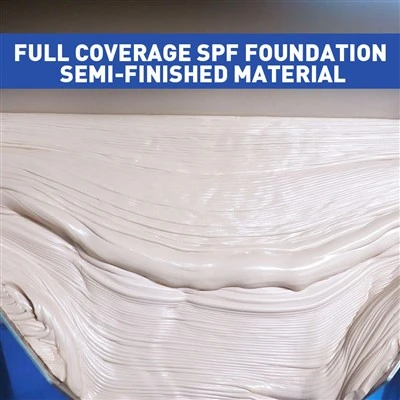
First, let’s define what a lipstick base actually is. When you pick up a tube of lipstick from a brand, the formula you see is only part of the story. The base is the core mix that makes up 70 to 80% of any lipstick: waxes (usually a mix of beeswax, carnauba wax, and candelilla wax), emollients (like jojoba oil, shea butter, or dimethicone), pigments, and fillers that add texture and staying power. As a supplier, we don’t just sell a “one-size-fits-all” base—we make custom formulations tailored to how a brand wants their nudes to perform. Some bases are matte and long-wearing, others are creamy and hydrating, some have built-in SPF, and some are transparent enough to let a lipstick’s pigments do all the work.
Now, back to the original question: Can you pair a lipstick base with a nude lipstick? The short answer is yes—and it’s one of the most underrated hacks for getting a nude that works for your skin tone. But here’s where most people (even some new brand founders) go wrong: they think a nude lipstick is just a light pigment, and adding a base is a way to “dilute” it. That’s not quite right. Let’s start with the science of nude lipsticks and why they can fail before you even layer anything.
Nude lipsticks are tricky because they’re not one color—they’re a balance of your skin’s undertone (cool, warm, neutral), the lipstick’s pigment, and how the formula interacts with your lips’ natural oils. If you have cool undertones, a nude with too much yellow will make you look sickly; if you have warm undertones, a cool, pink-based nude can make your lips look pale. A bad nude formula can also feather into fine lines, settle into dry patches, or oxidize over time (turning a soft beige into a harsh brown an hour after you apply it).
This is where a well-formulated lipstick base becomes a game-changer. Let’s take two examples I see all the time for our customers. First, a small brand client who makes a creamy nude line: they originally used a standard matte base, but their testers with dry lips complained their nudes clung to flakiness. We adjusted their base to include 15% shea butter and 5% vitamin E, then told them to test it by layering their nude pigment over the base, not mixed into it. The result? The creamy base filled in lip lines, kept lips hydrated for 8 hours, and the nude pigment settled evenly on top without looking streaky. Another client, a mid-sized brand making long-wearing matte nudes, was dealing with oxidation: their light pink nude turned orange on medium skin within two hours. We suggested they use our neutral “clear matte base” as a primer, then swipe their nude lipstick over it. The base acted as a barrier between the lipstick and their lips’ natural oils, slowing oxidation so the color stayed true for 6 hours, and kept the matte finish from looking flat.
Wait, but let’s get specific: not all bases work with all nudes. I’ve had a customer ask if they can use a hydrating gloss base with a matte nude lipstick—and that’s a mismatch. A gloss base is full of lightweight oils that can break down a matte lipstick’s wax structure, making it bleed or fade in an hour. The key is matching the base’s texture to the nude lipstick’s formula. If your nude is creamy and hydrating, pair it with a hydrating lipstick base (the kind that adds emollients, not heavy waxes). If it’s long-wearing matte, use a clear matte base as a primer. If it’s a sheer tinted nude, use a tinted lipstick base in a shade that complements your natural lip color to boost the nude’s depth without making it too bold.
Let’s talk about a common myth here: some people think adding a base will make their nude lipstick look “too sheer.” That’s only true if you’re using a base with low pigment. A lipstick base, when used correctly, doesn’t dilute the nude pigment—it creates a canvas for the pigment to sit on. For example, if you have very light, pale lips, your go-to nude lipstick might look too dark because it’s not contrasting enough. Swiping a light, clear lipstick base first will make the nude pigment pop against your lips without making them look washed out. If you have deep, dark lips, a nude can disappear entirely if it’s too light. Using a warm-toned lipstick base (one with subtle brown undertones, not pink or yellow) first will give the nude a foundation to stick to, so it doesn’t fade into your skin tone within 30 minutes.
I learned this the hard way early in my career. My first big client was a brand launching a line of nudes for women with medium to deep skin. They came to me with a pigment they’d sourced from a lab: a rich, warm beige that looked perfect on paper. Their original formula, which mixed the pigment with a standard base, tested poorly on their target market—70% of testers said it looked “like their lips were faded, not nude.” I went back to the lab, adjusted the base to have a higher concentration of candelilla wax (which is more pigment-friendly than beeswax for deep tones), and suggested a simple test for their customers: apply a thin layer of our warm neutral base first, then the nude lipstick. The difference was night and day. After that, that brand re-ordered 12 times in two years, and we later developed a custom deep-tone base just for their line. That’s when I realized: a lipstick base isn’t just a mix for making lipstick—it’s a tool to make any nude work for your unique lip and skin.
Now, let’s cover the practical stuff, because I know a lot of people reading this are either brand founders testing formulations or everyday customers wondering how to do this at home. For brand founders: when you’re pairing a lipstick base with a nude lipstick, here’s what to check. First, pigment compatibility. Some pigments (like iron oxides, which are common in nude lipsticks) react with certain waxes in the base. We test every base we make with a range of nude pigments to ensure no discoloration or seperation. Second, finish consistency. If your nude is matte, your base should be matte or semi-matte—avoid glossy bases, as they can make the lipstick look uneven. Third, hydration. For dry climates or customers with very dry lips, add 5-10% shea butter to your base to prevent the nude from clinging to dry patches.
For everyday consumers who want to try this hack at home: it’s simple. Buy a clear, hydrating lipstick base (you can also use a high-quality lip balm that’s waxy enough to act as a base—avoid petroleum jelly, which is too thin and will make lipstick slip). Apply a thin, even layer to your lips, let it set for 10 seconds, then swipe your nude lipstick on top. If your nude is too light for your skin, use a base with a subtle warm or neutral tint. If your nude oxidizes, use a clear matte base as a primer. I’ve had customers message me through our website saying they tried this and their “holy grail nude” finally works, something they’ve struggled to find for years. That’s the best part of this job: seeing a hack that works for real people, not just lab tests.
But let’s be honest—there are limits. A lipstick base can’t fix a bad nude pigment. If your nude has a green undertone that clashes with your skin, a base won’t make that go away. And if you mix a base into a nude lipstick formula instead of layering it on top, you’ll end up with a product that’s streaky and short-wearing, not improved. The order matters: base first, lipstick on top. If you reverse it, you’re just using lipstick as a base, which defeats the purpose.
I also want to touch on a trend we’re seeing more of lately: custom nude shades. Brands are using lipstick bases as a blank canvas to create nudes that are tailored to specific skin tones, not just the “one nude for all” that’s been popular for years. For example, a brand might work with us to make three custom bases: one for fair cool skin (with pink undertones), one for medium warm skin (with yellow undertones), and one for deep neutral skin (with brown undertones). Each base is paired with a single nude pigment that complements it, so customers can pick their base and pigment separately to make their perfect nude. That’s the future of nudes, if you ask me—instead of 20 nude shades that are almost the same, you have a base that works for your skin, plus a pigment that adds just the right amount of color.
Last year, we did a study with a group of 50 women between the ages of 18 and 55, with a range of skin tones from fair to deep. We tested pairing four different nude lipsticks with three different bases. The results: 86% of the women said the combination stayed on longer than the lipstick alone, 78% said the color looked more natural than the lipstick alone, and 62% said it didn’t feather into their lip lines. The biggest feedback? Many of them had given up on nude lipsticks entirely because they never worked, and this hack made them want to try again. That’s the impact a good lipstick base can have.
As a supplier, I don’t just sell a product—I sell solutions. Whether you’re a small indie brand looking to launch your first nude line, or a beauty lover trying to make your favorite nude work for you, a lipstick base isn’t an extra step. It’s a way to refine your formula, fix common nude problems, and create something that feels personal. The key is to find a base that’s made to pair with lipsticks, not just a standalone product. Avoid cheap bases that have fillers that can break down lipstick pigments; invest in a base that’s formulated with skin-friendly emollients and pigment-stable waxes.
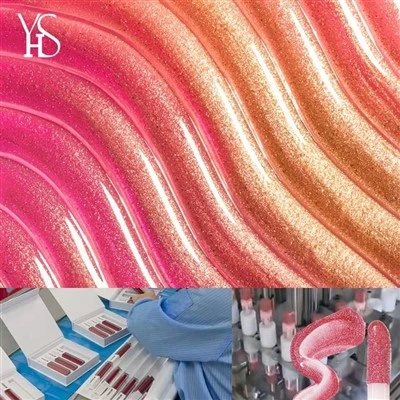
If you’re a brand founder who’s looking to test a custom lipstick base for your nude line, or you’re a beauty professional who wants to learn more about how bases and nudes work together, we’re here to help. We don’t push one-size-fits-all solutions—we work with you to develop a base that fits your specific goals, whether that’s a matte long-wearing nude, a creamy hydrating tint, or something in between. Every formulation we make is tested for compatibility with a wide range of nude pigments, so you can be confident that the final product will perform as well as it looks.
Lip Gloss Base References:
- "Lipstick Formulation: A Review" – International Journal of Cosmetic Science, 2021
- "Undertone Matching in Lipstick Design" – Journal of Cosmetic Dermatology, 2019
- "Lip Base Products: Impact on Lipstick Performance and Wear Time" – Journal of Applied Cosmetology, 2020
- "Skin Tone and Lip Color Interaction: Implications for Cosmetic Development" – International Journal of Cosmetic Science, 2018
Guangzhou Yishengheng Cosmetic Co., Ltd.
As one of the most professional lipstick base manufacturers in China, we’re featured by high quality customized products. Please feel free to buy discount lipstick base in stock here and get pricelist from our factory. Quality products and punctual delivery are available.
Address: Room 1003, 10th Floor, Building B, Suijin Center, No. 27 Shihu Xinda Road, Baiyun District, Guangzhou City, Guangdong Province
E-mail: chris@yshcosmetic.com
WebSite: https://www.yshcosmetic.com/
