If you’ve ever walked into a well-lit retail space, driven down a road with crisp lane markings, or admired a piece of furniture with a smooth, scratch-resistant finish, you’ve likely encountered acetates in action—even if you didn’t stop to think about it. For over a decade, I’ve worked in the chemical supply chain, partnering with paint formulators, industrial coatings teams, and architectural paint manufacturers to deliver high-quality acetate solutions tailored to their specific needs. Too often, acetates are overlooked in conversations about paint additives, overshadowed by more widely discussed ingredients like titanium dioxide or synthetic resins. But as someone who’s spent countless hours troubleshooting formulation challenges and fine-tuning product performance, I can tell you: acetates are a workhorse in the paint industry, with uses that touch nearly every stage of paint development and end-use performance. Acetates
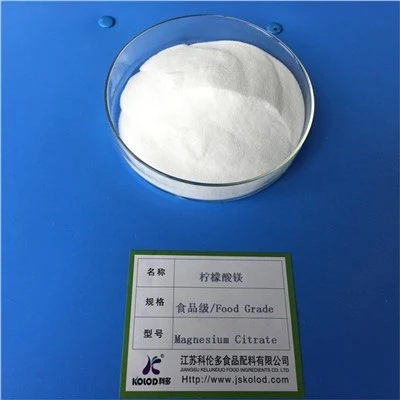
Let’s start with the basics for those who might be new to this space. Acetates are organic compounds derived from acetic acid, with a molecular structure that balances polarity, volatility, and solvency—properties that make them uniquely suited for paint systems. Unlike harsher solvents that can damage sensitive substrates or emit strong odors, acetates offer a middle ground that’s hard to replicate. Let’s break down their core uses in the paint industry, from formulation to application to long-term durability.
First, and most broadly, acetates act as primary and co-solvents in nearly every type of paint. Whether you’re dealing with a water-based latex paint for interior walls, a solvent-based industrial coating for metal machinery, or a specialty automotive finish, solvents are what keep paint ingredients dispersed evenly until they’re applied. Without the right solvent, pigments would clump, resins would solidify prematurely, and the final paint would be uneven, grainy, or prone to peeling. Acetates excel here because they can dissolve a wide range of resins—acrylics, alkyds, epoxies, and urethanes—without reacting with them. For example, ethyl acetate, one of the most commonly used acetates in paint, is a fast-evaporating solvent that’s ideal for spray-applied finishes. When a painter sprays a coat of automotive primer, ethyl acetate evaporates quickly, leaving the resin and pigments to form a smooth, uniform film in seconds. That fast evaporation is critical for spray applications; it prevents the paint from running or sagging on vertical surfaces, which is why automotive and aerospace coating teams rely on it.
But it’s not just about speed. Butyl acetate, another staple acetate in paint, has a slightly slower evaporation rate, making it perfect for brush-applied or roll-on paints. If you’ve ever painted a bedroom wall and noticed the edges don’t dry too quickly before you can feather them out, that’s butyl acetate at work. It keeps the paint open long enough for applicators to blend edges without leaving visible lap marks, a common frustration with paint that dries too fast. For industrial maintenance coatings applied to large steel structures like bridges or pipelines, a mix of fast and slow-evaporating acetates creates a balanced drying profile: enough speed to prevent runs, but enough openness to ensure the paint flows evenly over complex shapes, like pipe joints or structural beams. I’ve worked with a pipeline coating team in the Midwest that switched from a glycol ether solvent blend to an acetate-based system, and they reported a 15% reduction in application defects because the paint flowed better and dried consistently, even in cool, humid conditions.
Beyond solvents, acetates serve a critical role as coalescing agents in water-based paints—a use that’s become even more important in recent years as the industry shifts away from high-VOC (volatile organic compound) solvents to meet regulatory requirements. For context, water-based paints rely on latex resin particles suspended in water. When you apply the paint, the water evaporates, and the resin particles need to fuse together to form a continuous, durable film. If the resin particles dry too quickly without fusing, you end up with a brittle, chalky paint that peels off easily. That’s where coalescing agents come in, and acetates are among the most effective, low-VOC options available. Propylene glycol methyl ether acetate (PMA), for instance, is a coalescing agent that lowers the minimum film formation temperature (MFFT) of latex paints. MFFT is the lowest temperature at which a paint can form a solid, intact film—if a paint’s MFFT is too high, it can’t be applied in cold weather without cracking. By adding small amounts of acetate coalescing agents, formulators can drop a paint’s MFFT from 50°F to 35°F, making it usable for exterior painting in mild winter conditions. A few years ago, I supported a small paint manufacturer in upstate New York that wanted to launch an exterior latex paint for residential use that could be applied at temperatures as low as 40°F. We tested three different acetate blends, and the one with a mix of ethylene glycol monoethyl ether acetate and butyl acetate delivered exactly what they needed: the paint passed freeze-thaw stability tests, didn’t crack after application, and met California’s strict low-VOC standards. That’s a big win, too—coalescing agents based on acetates typically have 70% lower VOC levels than traditional glycol ether coalescers, helping paint brands stay compliant with rules like the EPA’s National Emission Standards for Hazardous Air Pollutants (NESHAP) and the EU’s REACH regulations.
Next, acetates act as viscosity modifiers and stabilizers, keeping paint consistent from the factory to the job site. Paint viscosity—its thickness or flowability—determines how easily it can be applied with a brush, roller, or spray gun. If a paint is too thin, it will drip and require multiple coats; too thick, and it will be hard to spread and leave a rough finish. Acetates adjust viscosity by modifying the interaction between resin particles, preventing them from clumping together or separating into layers during storage. I once worked with a packaging paint manufacturer that was having a major issue: their cans of interior food-contact paint were separating, with pigments sinking to the bottom and forming a hard cake that was impossible to mix. After testing different stabilizers, we found that adding 2% of diethylene glycol monobutyl acetate (butyl diglycol acetate) to the formulation kept the pigments suspended for 12 months, exceeding their required 6-month shelf life. This isn’t an isolated case; most premium interior paints use acetate stabilizers because they’re non-toxic, compatible with food-contact regulations, and don’t affect the paint’s final color or finish. For automotive paints, where consistency is non-negotiable—even a 5% difference in viscosity can lead to uneven color matching—acetates help ensure every batch has the exact same flow, so a car’s hood and doors match perfectly after application.
Another underdiscussed use of acetates in paint is as cross-linking modifiers in two-component (2K) coatings. 2K paints, which combine a resin and a curing agent just before application, are used for high-durability applications like factory equipment, marine coatings, and heavy-duty flooring. When the resin and curing agent mix, they undergo a chemical reaction called cross-linking, forming a tight, scratch-resistant film. Acetates can adjust the rate of this cross-linking reaction, giving applicators more working time (pot life) before the paint starts to cure. Without a modifier, some 2K coatings cure too quickly—sometimes in as little as 10 minutes—leaving workers unable to cover large surfaces without the paint hardening mid-application. Acetates slow down the cross-linking reaction by temporarily solvating the resin particles, extending pot life to 45 minutes or more, which is essential for large-scale projects like factory floor installations or ship hull painting. I’ve collaborated with a marine coating company that needed a 2K epoxy coating for a ferry’s hull that would work in saltwater and have a 30-minute pot life for their application teams. By adding a blend of isopropyl acetate and propyl acetate as cross-linking modifiers, we hit exactly that timeline; the coating cured to a hard, chemical-resistant finish that survived two years of regular saltwater exposure without blistering.
It’s also important to touch on acetates’ role in reducing paint’s environmental impact, which is a growing priority for both manufacturers and consumers. As global regulations tighten around VOC emissions, paint formulators have had to abandon many traditional solvents and additives that were once industry standards. Acetates, particularly those derived from sustainable feedstocks, are a key solution here. For example, bio-based acetates made from fermented sugarcane or corn starch have a 40% lower carbon footprint than petroleum-based solvents, making them a popular choice for eco-friendly paint brands. A few years ago, a major architectural paint brand launched a line of zero-VOC interior paints using bio-based butyl acetate as both a solvent and coalescing agent. They reported not only meeting strict low-VOC standards but also a 20% reduction in the total carbon footprint of their paint line, which resonated with consumers who are willing to pay a premium for sustainable products. Additionally, acetates have a milder odor than many other solvents, which is a huge benefit for interior paints. No one wants to live in a house for days while strong paint fumes linger, and acetate-based paints dry with a near-neutral odor, making them ideal for nurseries, hospital rooms, and residential interior spaces.
Of course, like any chemical in the paint industry, acetates require careful handling and formulation to work effectively. The key is matching the right acetate to the specific paint type and application. For example, using a fast-evaporating acetate in a water-based interior paint would cause it to dry too quickly, leading to poor film formation. Similarly, a slow-evaporating acetate in a high-speed spray application would leave the paint wet for too long, increasing the risk of dust settling on the finish. That’s where my team comes in: we work closely with paint formulators to test acetate blends tailored to their unique product goals, whether that’s meeting a certain VOC limit, improving application speed, or enhancing durability.
For anyone in the paint industry—whether you’re a formulator looking to tweak a current product, a brand owner aiming to launch a new eco-friendly line, or a contractor tired of dealing with application defects—acetates are a versatile, cost-effective solution that delivers across multiple performance metrics. They’re not just a solvent; they’re a cornerstone ingredient that shapes everything from how easy a paint is to apply to how long it lasts on a wall or a bridge.
If you’re looking to optimize your paint formulations, address application challenges, or source high-quality acetate solutions aligned with your sustainability and performance goals, reach out to discuss your needs. We’re here to help you find the right acetate blend for your specific use case, no matter how small or large your project is.
Ferric Sodium EDTA References
- Paint & Coatings Industry Association (PCI). “Solvents and Coalescing Agents for Water-Based Paints.” 2022.
- European Chemicals Agency (ECHA). “Acetates in Industrial Coating Formulations.” 2021.
- U.S. Environmental Protection Agency (EPA). “Low-VOC Solvents and Additives for Architectural Paints.” 2023.
- Journal of Coatings Technology and Research. “The Role of Acetates in Cross-Linking Modification of Two-Component Coatings.” 2020.
- Society for Protective Coatings (SSPC). “Performance of Acetate-Based Pipeline Coatings in Marine Environments.” 2022.
Jiangsu Kolod Food Ingredients Co., Ltd.
As one of the most professional acetates manufacturers and suppliers in China, we’re featured by quality products and good price. Please rest assured to wholesale bulk acetates made in China here and get free sample from our factory. Customized orders are welcome.
Address: South Side of Weier Road, Guanyun Development Zone, Lianyungang City, Jiangsu Province, China
E-mail: sales1399@jskolod.com
WebSite: https://www.kolod-group.com/
