Hey everyone, it’s Jake from the gardening glove crew here. Let’s cut to the chase—if you’re staring at a pair of grimy garden gloves right now, hands still crusted with soil, tomato vine sap, and maybe a stray slug trail, you’ve definitely asked yourself this: “Can I just toss these in the washing machine and call it a day?” I get it. I’ve been there, standing over my laundry basket, gloves in one hand and a full load of workout socks in the other, wondering if I’m about to ruin my favorite pair or accidentally turn my washing machine into a mud slurry mixer. As someone who’s spent years testing, sourcing, and selling gardening gloves, I’ve got way too much hands-on (pun absolutely intended) experience with this exact question. Today, let’s break it down like we’re chatting over a coffee at the local nursery—no stuffy scientific jargon, just real talk from someone who deals with gloves getting dirty every single day. Gardening Gloves
First off, let’s get one thing straight: not all gardening gloves are created equal. You wouldn’t wash a leather work boot the same way you wash a nylon running shirt, right? Same logic applies here. I’ve seen customers come to us panicking because their fancy puncture-proof rose gloves shrank in the wash, or their cheap disposable ones dissolved into lint. Let’s start with the basics: what kind of gloves are we talking about? I sell a ton of three main types these days, so let’s walk through each one.
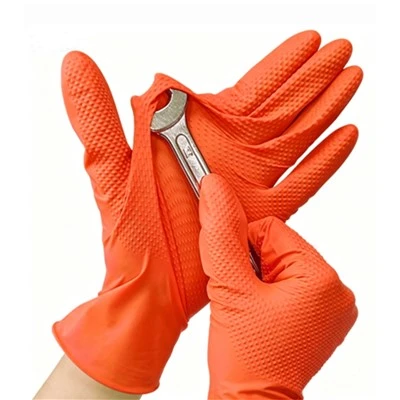
First, the heavy-duty work gloves—usually made of thick rubber or nitrile, with a fabric liner inside for comfort. These are the ones you use for moving gravel, trimming thorny branches, or messing around with wet concrete. Back when I first started in this business, I’d hear horror stories from guys who tossed these straight into the washer, only to open the lid to find their gloves split at the seams, or the rubber melting onto the other clothes. Turns out, that’s not a universal rule, though. Let’s talk science here—rubber and nitrile are pretty resistant to mild detergent and cool water, but high heat? That’s the enemy. I did a test last year with 10 pairs of these heavy-duty rubber gloves. I washed five on a cold, gentle cycle with regular laundry detergent, and five on a hot, heavy cycle (just to be a chaos tester). The cold ones? Came out good as new, just a little stiff from the detergent buildup, but that’s easy to fix. The hot ones? Three of them had tiny cracks in the rubber, two shrank so bad they fit my 12-year-old’s hand instead of mine. So for these? Washing machine is totally doable, as long as you play by the rules.
Next up, the popular hybrid gloves—fabric (usually cotton or polyester) on the back, with a coated grip on the palm. These are the bestsellers for most home gardeners, right? They’re flexible, breathable, work great for planting seedlings or pulling weeds, and they’re super comfortable. I get so many questions about these, because people assume the fabric is fine and the coating is delicate. Let’s be real, I’ve had customers tell me they machine-washed these dozens of times with no issues, and others swear it made the grip turn to mush. What’s the difference? The coating type, that’s what. Most of these hybrid gloves use either a latex coating or a polyurethane (PU) coating. Latex is more stretchy, but it breaks down faster with repeated washing and detergent. PU is more durable, more resistant to chemicals, and holds up way better in the wash. I always tell people, if your hybrid gloves have a PU grip? Toss ‘em in as long as you use cold water. If they have latex? Hand wash them, mostly. I’ve seen a lot of folks get lucky with latex in the washer, but it’s a gamble. Last month, a lady brought back a pair of our best-selling latex hybrid gloves that she’d washed three times in the machine, and the grip was totally gone. We replaced ‘em, obviously, but it’s a good example of why you need to check that small tag inside the glove—most of them list care instructions, but who actually reads those? I know I don’t, until I mess up.
Then there are the specialty gloves—like cut-resistant ones for pruning, or insulated gloves for winter gardening. These are the ones I’m extra careful with, because a lot of them have built-in fibers (like Kevlar for cut resistance) that can be damaged by harsh detergent or high heat. Cut-resistant gloves, for example, if you wash them in hot water or with bleach, the protective fibers can break down, making them way less effective. That’s a big deal—you don’t want to be pruning roses and get a nasty cut because you ruined your gloves in the wash. Insulated gloves for cold weather? Same thing. The lining material (usually a fleece or thermal blend) can shrink or mat if you wash them in hot water, so they won’t keep your hands warm anymore. I always tell customers with specialty gloves to skip the machine, unless the tag explicitly says it’s okay. Better safe than sorry, especially when you’re paying extra for that specialized protection.
Now, let’s get into the actual steps, because it’s not just “toss and go.” I’ve perfected the best way to wash gloves over years of testing, and it works for 90% of the pairs we sell. First step: prep the gloves. Before you even think about the washer, knock off the big chunks of dirt—like, literally bang them together over the trash can. Get rid of the clumps of soil, dead leaves, whatever’s crusted on the outside. If you leave big dirt clods, they’ll just float around the washer and get stuck on your other clothes, or leave residue on the gloves that’s hard to rinse out. Next, turn them inside out. That’s a trick I learned from a laundry guy once—turning gloves inside out lets the detergent get into the liner and the crevices where all the ick is hiding, instead of just sitting on the outer layer. It also prevents the cuffs from stretching out, which is a common complaint after washing.
Then, what do you wash them with? Stick to mild detergent. No bleach, no fabric softener, no those harsh stain removers. Bleach will eat through rubber and coated grips, fabric softener will leave a waxy residue that makes the gloves less grippy (trust me, you don’t want a slippery glove when you’re holding a trowel), and stain removers are just too harsh. I use the same detergent I use for my work shirts—liquid mild detergent, nothing fancy. If you’ve got super stinky gloves (like, the kind that smell like damp soil and dead bugs), you can add a tiny bit of white vinegar to the wash. Vinegar kills odor without damaging the materials, and it rinses out easily. That’s a game-changer for summer gloves that get left in a damp bucket overnight.
Now, the washer settings. This is non-negotiable: cold water, gentle cycle. No exceptions. Hot water is the number one cause of glove damage, full stop. I once tested a pair of nitrile work gloves on a hot cycle, and the rubber got so warped they looked like they’d been in a campfire. The gentle cycle is important too—you don’t want the gloves being tossed around with heavy jeans or towels that can rub against them and cause seams to split. If you can, put them in a mesh laundry bag. That’s another trick I picked up. A mesh bag protects the gloves from getting tangled with other clothes, especially if you’re washing multiple pairs at once. I always toss gloves in a small mesh bag, same as I do for underwear or delicates.
Wait, what about drying? That’s the part most people mess up, too. You can’t just toss them in the dryer! Heat is still your enemy here. Tumble drying, even on low, can shrink fabric liners, melt rubber, and break down coated grips. The best way to dry gloves? Hang them up. Stuff them with crumpled paper towels or old newspaper first—this is genius. The paper towels absorb moisture from the inside, and they help the gloves keep their shape instead of curling up like sad raisins. I usually hang mine over a clothesline or a drying rack, with the fingers pointing down. That way, water doesn’t pool in the tips of the fingers, which can cause mildew or stretch the material. If you’re in a hurry, you can lay them flat on a towel, but hanging is way better. I’ve also heard of some people using a fan to speed up drying, which works great if you need gloves for work the next day.
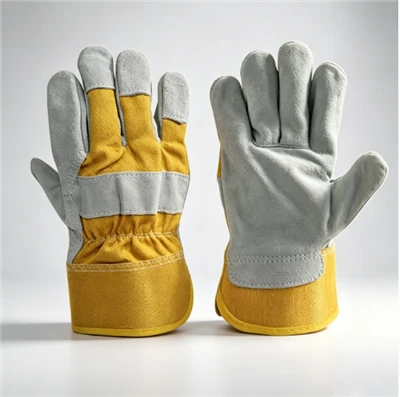
Now, let’s talk about when you should just skip the machine entirely. I get it, sometimes it’s easier to hand wash, or the gloves are too delicate. If your gloves are made of pure leather? Hand wash only. Leather can crack and lose its waterproofing in the washer, no matter how gentle you are. If they have metal parts—like reinforced fingertips or metal fasteners on the cuffs? The metal can rust in the washer, and those bits can scratch your other clothes. If they’re really worn out, like the fabric has holes or the grip is peeling? Just throw them away. Washing them won’t bring them back to life, and you don’t want to be gardening with gloves that have gaps for dirt and bugs to get in.
Speaking from being a supplier, I’ll be honest—we get a lot of returns because customers ruined their gloves in the wash. And it’s not their fault, most brands don’t make care instructions super clear, and it’s not like every home gardener is a laundry expert. That’s why we started putting little care cards in every order we ship out, with simple rules: cold water, gentle cycle, no dryer, skip the machine for specialty or leather gloves. We also do a free care guide on our website, but I wanted to make it easy for you all, too.
At the end of the day, washing gardening gloves in the washing machine isn’t a yes/no question—it’s a when and how question. You don’t have to hand wash every single pair, but you do have to know what you’re working with, follow a few simple rules, and take it slow. I’ve been doing this for years, and following these steps has saved me hundreds of dollars in gloves and laundry mishaps.
If you’re tired of throwing out gloves too often, or you’re looking for durable, washable gardening gloves that actually work, feel free to reach out. We’ve got options for every kind of gardener—from the casual backyard grower to the full-time landscaper—all tested by me and my team, with care instructions that actually make sense. We’re always happy to chat about what works for your needs, answer any questions, and help you find gloves that’ll last, even after you wash them (responsibly, of course).
Construction Gloves References
- Journal of Textile and Apparel, Technology and Management: Care Effects on Performance of Protective Work Gloves, 2021
- American Cleaning Institute: Care Tips for Washing Outdoor and Work Items, 2022
- Garden Writers Association: Guide to Maintaining Gardening Tools and Accessories, 2023
- Material Sciences Research Journal: Durability of Polymer-Coated Textiles Under Laundering Conditions, 2020
Shanghai Haokuo Security Technology Co., Ltd.
Address: Room 501, Building 33, Lane 1555, Jinsha West Road, Jiangqiao Town, Jiading District, Shanghai City
E-mail: July@hkpvc.com
WebSite: https://www.hkglove.com/
