If you’ve ever walked into a shopping mall, office tower, or hospital, you probably don’t spend time thinking about the wires, panels, and equipment humming quietly in the background. But for anyone building or maintaining a commercial space, those pieces are far from afterthoughts—they’re the backbone of everything that works: lights turning on, elevators moving, computers running, refrigerators keeping inventory safe. As an electrical equipment supplier who’s worked on 100+ commercial projects over the last 12 years, I’ve seen firsthand how skipping even one key requirement doesn’t just create a hassle—it can lead to code fines, safety hazards, or even shut-downs when a building is just weeks from opening. Electrical Equipment
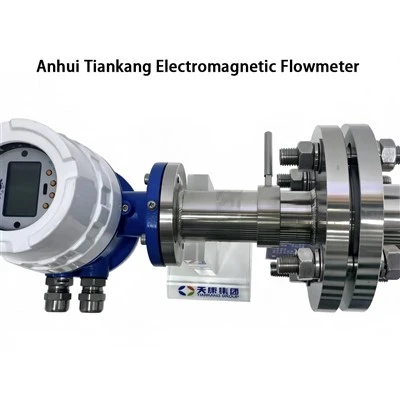
Let’s break down the non-negotiable requirements commercial electrical equipment has to meet, why each matters, and what I’ve learned from working with architects, general contractors, and facility managers on getting it right.
First up: code compliance, and not just the minimum you can get away with. Residential electrical work follows NFPA 70 (the National Electrical Code, or NEC for short), but commercial is a whole different set of rules. I remember a project last year where a general contractor tried to use a residential-grade panelboard that cost 20% less than a commercial unit. When the city inspector showed up, they sent everyone home for three days—residential panels aren’t rated for the higher continuous loads commercial spaces carry, like large HVAC systems or server banks. Commercial NEC requirements add a layer of safety: for example, all panelboards installed in commercial spaces have to be labeled for “continuous duty,” meaning they can handle 125% of their listed load on a regular basis, not just peak moments. There are also space requirements: NEC requires 3 feet of clear space in front of every electrical panel, so maintenance technicians don’t get stuck working in cramped hallways. Most small contractors don’t track every nuance—so if you’re specifying equipment, don’t just ask if it’s NEC-compliant; ask if it’s rated specifically for commercial use, not repackaged residential gear.
Next, load capacity tailored to the space’s purpose. A retail space with small lighting and a cash register has totally different needs than a 24-hour data center or a full-service hospital’s operating wing. I once worked with a dentist’s office that added 12 dental chairs last minute without adjusting their main transformer. Within six months, their circuit breakers were tripping constantly—they didn’t calculate that each dental chair draws 15 amps, and adding 12 meant they needed a transformer upgrade. For commercial spaces, it’s not just guessing: you have to account for permanent loads (like lighting, HVAC, and fixed equipment), intermittent loads (like restaurant kitchen equipment that turns on during peak hours), and future expansion. A rule of thumb I use: add 20% extra capacity to whatever calculation you do. Ten years ago, no one planned for EV chargers in parking garages, but now every new commercial project has to leave space for them—and most end up needing extra capacity they didn’t budget for upfront.
Safety features are non-negotiable, especially in spaces with high foot traffic or vulnerable people. Commercial buildings have higher risk for fires, electrocution, and other hazards, so equipment has to have extra layers. Arc flash protection is a big one—these events happen when electricity jumps between two conductors, and a blast can kill a worker standing nearby. All commercial panelboards and switchgear we supply have arc flash labels that specify safe working distances and personal protective equipment (PPE) needs, which is required by OSHA. For spaces with high moisture, like grocery store meat coolers or laundromats, equipment has to be rated for damp or wet locations—you can’t use a standard outlet that would corrode or cause a short in a high-humidity area. And for buildings that house kids, like daycares or schools, we recommend ground-fault circuit interrupters (GFCIs) in every classroom and common area, even if code only requires them in bathrooms. I’ve also seen code require emergency power systems: hospitals need generators that kick on in 10 seconds, and office buildings have to have emergency lighting that stays on for 90 minutes. When you’re shopping for equipment, don’t skip emergency power components—they’re not just a perk, they’re a legal requirement.
Durability and maintenance access are two sides of the same coin that most people overlook. Commercial equipment doesn’t get the same gentle treatment as residential gear—it’s used 12+ hours a day, by technicians who might not be fully trained, and it has to hold up for decades. We supply NEMA-rated enclosures for every commercial unit: NEMA 1 for general indoor use, NEMA 3R for outdoor spaces, NEMA 4X for corrosive areas like food processing plants. These enclosures protect against dust, water, and physical damage, so you don’t have to replace equipment every 5 years. Maintenance access is just as important. I’ve had clients buy cheap switchgear that required a technician to remove 10 bolts to access the bus bars—no one wanted to do that for a routine check, so small problems turned into big ones. Look for equipment with front-access panels, pull-out breakers that don’t need tools to swap, and clear labels for every circuit. When a technician knows which breaker controls the office wing at a glance, they can fix a outage in 10 minutes instead of an hour.
Energy efficiency isn’t just a buzzword anymore—it’s a financial and regulatory requirement for most commercial spaces. Utility companies offer rebates for high-efficiency electrical equipment, and some cities (like New York, Boston, and Seattle) have mandates that limit a building’s energy use. For example, LED lighting systems (which we sell and install for commercial clients) use 75% less energy than incandescents, and commercial HVAC variable frequency drives (VFDs) can cut energy use by 30% by adjusting motor speed instead of running full blast all the time. I worked with a 10-story office building last year that switched all their old transformers to high-efficiency models; their utility rebate covered 60% of the equipment cost, and they cut their energy bill by $12,000 a year. Don’t just buy the cheapest equipment—compare the lifecycle cost, not just the upfront price. A $5,000 transformer that uses 10% less energy will save you $5,000 in two years, and that’s before rebates.
Now, let’s talk about what I’ve learned from 12 years in this industry: communication between suppliers, contractors, and building owners is the biggest gap. I’ve had a contractor call me at 8 PM, two weeks before a building was supposed to open, saying they needed a custom transformer because they miscalculated the load. We got it made and delivered the next day, but that stress could have been avoided if they’d brought us into the planning phase earlier. When you’re working on a commercial project, don’t wait until the last minute to specify equipment. Bring in a supplier before you finalize the blueprints—we can help you avoid costly mistakes, make sure you’re meeting code, and even find ways to save money on the equipment you need.
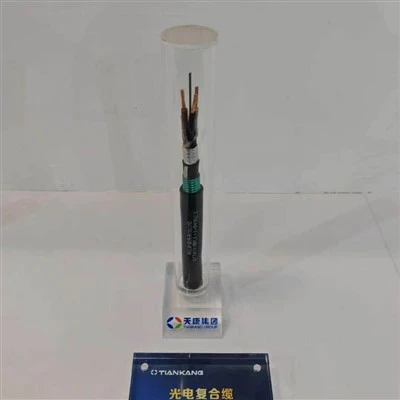
If you’re building a new commercial space, renovating an old one, or just need to replace outdated equipment, don’t cut corners on these requirements. The right equipment keeps your building safe, compliant, and running smoothly for years. If you have questions about what your project needs, or want to discuss your next electrical equipment purchase, feel free to reach out for a procurement consultation.
Optical Cables References
National Electrical Code (NEC) 2023 Edition, National Fire Protection Association
OSHA Electrical Safety Standards for Commercial Buildings 29 CFR 1910 Subpart S
ASHRAE Commercial Building Energy Efficiency Standard 90.1
NEMA Standards for Electrical Enclosures and Equipment Ratings
U.S. Department of Energy Commercial Equipment Rebate Programs & Efficiency Guidelines
Anhui Tiankang Group Co., Ltd.
As one of the most professional electrical equipment manufacturers and suppliers in China, we’re featured by quality products and good service. Please feel free to wholesale bulk customized electrical equipment made in China here from our factory. Welcome to contact us for pricelist.
Address: No. 20, South Renhe Road, Tianchang City, Anhui Province, People’s Republic of China
E-mail: tiankanggroup006@163.com
WebSite: https://www.tkanggroup.com/
