As a long – standing supplier of indoor fans, I’ve encountered numerous customers curious about the disparity between metal and plastic indoor fans. Over the years, I’ve seen the market evolve, and I’ve also amassed a wealth of knowledge regarding the characteristics of these two types of fans. In this blog, I’ll delve into the key differences based on aspects such as material properties, performance, durability, and cost. Indoor Fan

Material Properties
Let’s start with the foundation – the materials themselves. Metal, typically used in the construction of fans, is often aluminum or steel. Aluminum is lightweight, corrosion – resistant, and has excellent thermal conductivity. Steel, on the other hand, is known for its high strength and durability. The use of these metals in fan manufacturing gives the product a solid and sturdy feel. When you hold a metal fan, you can sense the heft and quality, which often translates into a perception of reliability.
Plastic, in contrast, is a wide – ranging term that includes various polymers like polypropylene, ABS (Acrylonitrile Butadiene Styrene), and PVC (Polyvinyl Chloride). Plastic is extremely versatile. It can be molded into complex shapes with relative ease. This allows for more creative and innovative fan designs. For example, plastic fans can have smooth, rounded edges and sleek curves that might be difficult or more expensive to achieve with metal. Plastic is also generally insulating, which can be an advantage in some electrical applications within the fan.
Performance
Airflow
The performance of a fan is mainly judged by its airflow capacity. Metal fans often have blades that are precisely engineered and can generate a relatively high – volume airflow. The rigidity of metal blades allows them to rotate at a consistent speed without significant deformation. This results in a strong and steady breeze that can cover a wider area. In large indoor spaces like warehouses or industrial settings, metal fans are a popular choice due to their ability to move a large amount of air effectively.
Plastic fans can also provide satisfactory airflow, especially in smaller indoor areas such as bedrooms or offices. The lightweight nature of plastic blades allows the fan motor to operate with less stress, which can sometimes lead to a more energy – efficient operation. However, the airflow from plastic fans may not be as forceful as that from metal fans, especially in larger sizes.
Noise Level
Noise is another crucial performance aspect. Metal fans, especially those with large, heavy – duty motors, can sometimes generate more noise during operation. The vibrations caused by the rotating metal parts can resonate and create a humming or rattling sound. Although manufacturers have made significant progress in reducing noise through proper motor mounting and vibration – dampening techniques, metal fans can still be noisier compared to their plastic counterparts.
Plastic fans are generally quieter. The plastic materials used in their construction can absorb some of the vibrations generated by the motor. Additionally, the flexibility of plastic can also help in reducing the impact and noise produced when the blades rotate through the air. This makes plastic fans a great option for places where a quiet environment is desired, such as bedrooms or libraries.
Durability
When it comes to durability, metal fans have a clear edge. Metal is highly resistant to wear and tear. It can withstand accidental bumps, scratches, and more severe impacts without significant damage. The structural integrity of metal fans remains intact over a long period, even with frequent use. Aluminum fans, in particular, are resistant to corrosion, which is especially beneficial in humid environments.
Plastic fans, while generally durable, are more prone to damage. Plastic can become brittle over time, especially when exposed to heat, sunlight, or certain chemicals. A small crack or break in a plastic blade can lead to reduced performance or even render the fan useless. However, modern plastics are being improved continuously, and with proper care, a plastic fan can still have a decent lifespan.
Cost
Cost is an important factor for both consumers and businesses looking to purchase indoor fans. Metal fans are usually more expensive. The cost of raw materials such as aluminum and steel is relatively high, and the manufacturing processes involved in shaping and finishing metal parts also add to the overall cost. Additionally, the higher – end motor and engineering required for metal fans contribute to their price tag.
Plastic fans, on the other hand, are more budget – friendly. The cost of plastic materials is lower, and the ease of molding plastic into various shapes reduces the manufacturing cost. This makes plastic fans a popular choice for consumers who are on a tight budget or those who need to purchase multiple fans for different rooms.
Aesthetics and Design
In terms of aesthetics, both metal and plastic fans have their unique charm. Metal fans often exude a sense of industrial elegance. Their solid and robust appearance can add a touch of sophistication to a room, especially in a modern or minimalist – styled interior. The metallic finish can also be very eye – catching and can make the fan a focal point in a space.
Plastic fans offer more flexibility in terms of color and design. They can be produced in a wide range of bright and vibrant colors, which can match different interior decors. Moreover, the ease of molding plastic allows for the creation of novel and interesting shapes. For example, there are plastic fans designed to look like animals or have abstract forms, which can be a great addition to children’s rooms or spaces with a more playful atmosphere.
Environmental Considerations
From an environmental perspective, both materials have their pros and cons. Metal is generally recyclable. Aluminum and steel can be melted down and reused to make new products, which reduces the demand for virgin materials and helps in conserving natural resources. However, the extraction and processing of metal can be energy – intensive and have a significant environmental impact.
Plastic is also recyclable, but the process is more complex. Different types of plastics need to be separated, and not all recycling facilities can handle all plastic types. Additionally, the production of plastic often involves the use of fossil fuels, which contributes to greenhouse gas emissions. However, there are now more and more sustainable plastics made from renewable sources, which are becoming a greener option.
In conclusion, the choice between a metal and a plastic indoor fan depends on your specific needs, preferences, and budget. If you require a high – performance, durable fan for a large space and cost is not a major concern, a metal fan might be the best choice. On the other hand, if you need a quiet, budget – friendly, and aesthetically – versatile fan for a smaller indoor area, a plastic fan could be more suitable.
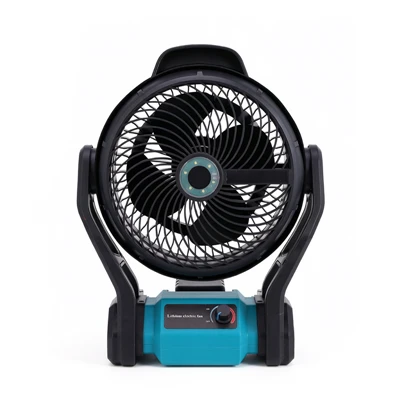
As an indoor fan supplier, I’ve seen customers make different choices based on these factors. Whether you’re a homeowner looking to cool your living room or a business owner in need of fans for your office space, I’m here to help you find the perfect indoor fan. If you’re interested in learning more about our range of metal and plastic indoor fans or would like to discuss a potential purchase, please feel free to reach out. We’re committed to providing you with the best products and services to meet your cooling needs.
Outdoor Fan References
- "Materials Science and Engineering: An Introduction" by William D. Callister Jr. and David G. Rethwisch
- "Fan Engineering Handbook" published by the American Society of Heating, Refrigerating and Air – Conditioning Engineers (ASHRAE)
Yongkang Agudo Industry & Trade Co., Ltd.
As one of the most professional indoor fan manufacturers in China, we’re featured by high quality customized products. Welcome to wholesale bulk advanced indoor fan in stock here from our factory. If you have any enquiry about pricelist and free sample, please feel free to email us.
Address: 2nd Floor, Unit 2, Building 5, No. 46 Xicheng Huacheng West Road, Xicheng Subdistrict, Yongkang City, Zhejiang Province
E-mail: 15888900905@163.com
WebSite: https://www.cnagudo.com/
