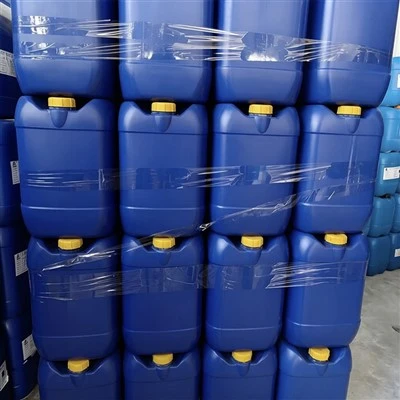
Sunlight is a powerful force of nature that can have a profound impact on various materials, and wood finishes are no exception. As a supplier of high – quality wood finishes, I’m often asked whether wood finishes fade in sunlight. In this blog, I’ll explore this question in depth, drawing on scientific knowledge and real – world experience. Wood Finish
Understanding Wood Finishes
Before delving into the effects of sunlight, it’s essential to understand what wood finishes are and their functions. Wood finishes are coatings applied to wood surfaces to enhance their appearance, protect them from damage, and increase their durability. There are several types of wood finishes, including stains, paints, varnishes, oils, and lacquers.
Stains are used to color the wood while allowing its grain to show through. They penetrate the wood fibers and provide some protection. Paints, on the other hand, form a solid, opaque layer on the wood surface, offering excellent protection against moisture, scratches, and UV rays. Varnishes are clear coatings that create a hard, protective layer on the wood. They are known for their durability and resistance to wear. Oils penetrate the wood and nourish it, enhancing its natural beauty and providing a certain degree of water – resistance. Lacquers dry quickly and form a hard, shiny finish on the wood surface.
The Impact of Sunlight on Wood Finishes
Sunlight is a complex combination of visible light, infrared radiation, and ultraviolet (UV) radiation. Among these components, UV radiation is the primary culprit when it comes to the fading of wood finishes.
UV radiation has high energy and can break down the chemical bonds in wood finishes. In the case of stains, UV rays can cause the pigments to lose their color over time. The longer the finish is exposed to sunlight, the more pronounced the fading effect. For example, a light – colored stain may turn yellow or brown, and a dark – colored stain may become dull and lose its rich hue.
Paints are generally more resistant to fading than stains because they form a thick, protective layer on the wood. However, even high – quality paints can fade when exposed to intense sunlight for extended periods. The UV radiation can cause the paint’s polymers to degrade, leading to a loss of color and gloss.
Varnishes and lacquers also face challenges from sunlight. The UV rays can cause the clear coating to become brittle and crack, and the underlying wood may start to show signs of damage. When the protective layer is compromised, the wood is more vulnerable to other environmental factors such as moisture and pests.
Oils, which are absorbed into the wood, are less likely to form a visible, surface – level protective barrier against UV rays. Over time, the wood may start to turn gray or develop a bleached appearance as the natural oils break down due to sunlight exposure.
Factors Affecting the Fading of Wood Finishes in Sunlight
Several factors can influence how quickly and to what extent a wood finish fades in sunlight:
Quality of the Finish
High – quality wood finishes are typically formulated with better UV – resistant additives. These additives can absorb or reflect UV radiation, reducing the damage to the finish. For instance, some premium varnishes contain UV stabilizers that help maintain the finish’s color and clarity for a longer time. In contrast, low – quality finishes may lack these additives and fade much more rapidly.
Type of Wood
Different types of wood have different natural pigments and chemical compositions, which can affect how they react to sunlight. Some woods, like cedar and redwood, contain natural oils and tannins that offer some degree of UV protection. However, even these woods will still fade if not properly finished. Softer woods, such as pine, may be more prone to damage from sunlight as they are generally less dense and have a more open grain structure.
Duration and Intensity of Sunlight Exposure
The longer a wood finish is exposed to sunlight, the more likely it is to fade. Additionally, the intensity of the sunlight plays a crucial role. Wood finishes in areas with high – altitude or near the equator, where sunlight is more intense, will fade faster than those in regions with less intense sunlight. For example, a wooden deck in a sunny desert climate will experience more rapid fading compared to a deck in a cloudy, temperate region.
Maintenance
Regular maintenance can significantly slow down the fading process. Cleaning the wood surface regularly to remove dirt, debris, and pollutants can prevent them from accelerating the degradation of the finish. Re – applying a fresh coat of finish at appropriate intervals can also help restore the protective layer and maintain the wood’s appearance.
Scientific Research on Wood Finish Fading
Numerous scientific studies have been conducted to understand the mechanisms of wood finish fading. Researchers use advanced techniques such as spectroscopy and microscopy to analyze the chemical and structural changes in wood finishes exposed to sunlight.
One study found that the rate of fading is directly related to the amount of UV radiation absorbed by the finish. By measuring the UV absorption spectra of different wood finishes, scientists can predict how quickly they will fade. Another research focused on the role of antioxidants in wood finishes. Antioxidants can neutralize the free radicals generated by UV radiation, thereby reducing the damage to the finish.
Real – World Examples
In the real world, we often see the effects of sunlight on wood finishes. For example, outdoor wooden furniture that is left exposed to the sun year – round will gradually lose its color and luster. A wooden fence that has been painted may start to show fading and peeling after a few years of direct sunlight exposure.
On the other hand, when proper precautions are taken, wood finishes can maintain their appearance for a long time. A well – maintained wooden deck with a high – quality, UV – resistant finish can look great for many years, even in a sunny location.
Preventing Fading of Wood Finishes
As a wood finish supplier, I can offer several solutions to prevent or minimize the fading of wood finishes in sunlight:
Choose the Right Finish
Select a wood finish that is specifically designed for outdoor use and has good UV – resistance. For example, some exterior paints and varnishes are formulated with high – performance UV stabilizers. When choosing a stain, look for one that contains UV – blocking agents.
Apply a Protective Top – Coat
Even if you use a finish with some UV protection, applying a clear, UV – resistant top – coat can provide an extra layer of defense. This top – coat can help reflect and absorb UV rays, reducing the damage to the underlying finish.
Use Window Films or Shades
For indoor wood finishes, such as wooden floors or furniture near windows, using window films or shades can block a significant amount of UV radiation. This can help prevent fading and damage to the wood.
Regular Maintenance
As mentioned earlier, regular maintenance is crucial. Clean the wood surface regularly and re – apply the finish as needed. This will help keep the protective layer intact and maintain the wood’s appearance.
Conclusion
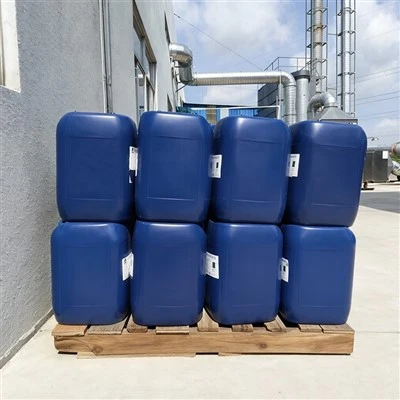
In conclusion, wood finishes do fade in sunlight, primarily due to the damaging effects of UV radiation. However, the degree of fading depends on various factors such as the quality of the finish, type of wood, duration and intensity of sunlight exposure, and maintenance. By understanding these factors and taking appropriate preventive measures, we can significantly slow down the fading process and keep our wood surfaces looking beautiful for a long time.
Wood Finish If you’re in the market for high – quality wood finishes that offer excellent UV protection and durability, I’d be more than happy to assist you. Whether you’re a homeowner looking to refinish your deck or a professional woodworker in need of reliable finishes for your projects, we have a wide range of products to meet your needs. Contact us to start a discussion about your wood finishing requirements and let’s work together to achieve the best results for your wood surfaces.
References
- ASTM International. Standard test methods for evaluating the color and appearance of wood and wood – based products exposed to natural weathering or accelerated aging.
- Furniture and Wood Technology Research Centre. Research on the durability and color stability of wood finishes.
- Journal of Wood Science. Articles on the degradation mechanisms of wood finishes under sunlight exposure.
Winsir Decoration Materials Co., Ltd.
With abundant experience, we are one of the most professional wood finish manufacturers and suppliers in China. Please feel free to wholesale bulk wood finish in stock here from our factory. Good service and quality products are available.
Address: Zhonghe Village Industrial Zone, Duruan Town, Pengjiang District, Jiangmen City
E-mail: service@winsir.com.cn
WebSite: https://www.winsir-intl.com/
