Hey there! I’m a supplier of glass wool insulation, and I often get asked if glass wool insulation can be used in the electronics industry. Well, that’s what I’m gonna chat about today. Glass Wool Insulation
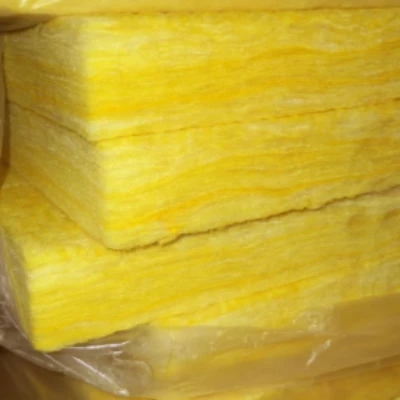
Let’s start by getting to know what glass wool insulation is. Glass wool is made from fine glass fibers that are spun into a soft, fluffy material. It’s been around for a long time and is well – known for its great insulation properties. Usually, it’s used in buildings to keep the heat in during winter and out during summer. It also has good sound – absorbing capabilities, so it can reduce noise levels.
But what about the electronics industry? Well, there are several factors to think about when considering using glass wool insulation in this field.
Thermal Insulation
One of the main jobs of insulation in the electronics industry is to manage heat. Electronic devices generate a lot of heat when they’re working. If this heat isn’t controlled, it can cause problems like reduced performance, shorter lifespan, and even system failures.
Glass wool insulation has a pretty low thermal conductivity. That means it doesn’t let heat pass through it easily. For example, in power electronics, components like transformers and power supplies can get really hot. By using glass wool insulation around them, we can slow down the heat transfer to the surrounding areas. This helps in keeping the internal temperature of the device within a safe operating range.
Let’s say you have a server room. Servers generate a ton of heat, and if the room gets too hot, the servers can start to malfunction. Glass wool insulation can be installed in the walls and ceilings of the server room to prevent the heat from escaping into the rest of the building and also to keep the cool air from the air – conditioning system inside. This way, the servers can operate at a stable temperature, which is super important for their performance and longevity.
Electrical Insulation
Another important aspect in the electronics industry is electrical insulation. You don’t want electricity to leak or cause a short – circuit. Glass wool is non – conductive, which makes it a good candidate for electrical insulation.
In printed circuit boards (PCBs), for instance, there are tiny electrical components and traces. If there’s a risk of electrical interference or leakage between components, glass wool insulation can be used as a barrier. It can also be used in electrical enclosures to insulate the electronic parts from the external environment and prevent any electrical shocks or malfunctions.
However, there are also some challenges when using glass wool insulation in the electronics industry.
Size and Space Constraints
Electronics are getting smaller and smaller these days. They’re being designed to be as compact as possible. Glass wool insulation, although it’s flexible to some extent, might take up more space compared to some other insulation materials. In a miniature electronic device like a smartphone or a wearable gadget, there’s simply not enough room for a thick layer of glass wool.
For example, if you try to stuff a smartphone with glass wool, it would make the phone too bulky. Manufacturers are always looking for insulation materials that can provide the same level of performance but in a much thinner and more lightweight form.
Contamination Risks
Glass wool consists of fine fibers. If these fibers are released into the air, they can pose a health risk to people. In the electronics manufacturing process, a clean environment is crucial. Any contamination can affect the quality and performance of the electronic devices.
When handling glass wool, there’s a risk of fiber release. If these fibers land on sensitive electronic components, they can cause short – circuits or other malfunctions. So, extra precautions need to be taken during the installation and use of glass wool in electronics. This might include using proper protective equipment and ensuring a well – ventilated and clean environment.
Compatibility with Other Materials
In the electronics industry, components are often made of different materials. Glass wool needs to be compatible with these other materials. For example, some chemicals or coatings used in electronics might react with glass wool. This could lead to degradation of the insulation or even damage to the electronic components.
Before using glass wool insulation in an electronic device, it’s important to conduct compatibility tests. This will help in ensuring that the glass wool won’t cause any negative effects on the performance or lifespan of the device.
Despite these challenges, there are still many applications in the electronics industry where glass wool insulation can be effectively used.
Large – Scale Electronics
In large – scale electronics like industrial control panels or large power converters, space is less of a concern. These devices often generate a significant amount of heat and require good thermal and electrical insulation. Glass wool can be a great choice here. It can be cut and shaped to fit the specific requirements of these large devices.
For example, in a factory, the control panels that regulate the operation of heavy machinery need to be insulated to protect them from the heat generated by the machinery and to prevent electrical interference. Glass wool insulation can be installed inside the control panels to achieve these goals.
Electronics in Harsh Environments
In some situations, electronics are exposed to harsh environments such as high humidity, dust, or extreme temperatures. Glass wool insulation can provide an extra layer of protection. It can help in keeping the internal components dry and shielded from dust particles.
For instance, in outdoor communication equipment, like cell towers, the electronic components need to be protected from the elements. Glass wool insulation can be used to line the enclosures of these components, providing thermal and environmental protection.
So, can glass wool insulation be used in the electronics industry? The answer is yes, but with some considerations. It has its advantages in terms of thermal and electrical insulation, but there are also challenges related to size, contamination, and compatibility.
Rock Wool Insulation If you’re in the electronics industry and are thinking about using glass wool insulation for your products, I’d love to have a chat with you. We can discuss how it can be tailored to fit your specific needs and how to overcome the potential challenges. Reach out, and let’s start the conversation about how glass wool insulation can be a great addition to your electronics.
References
- Insulation Handbook by The Insulation Manufacturers Association
- Electronic Component Packaging and Technology: An Introduction by Various Industry Experts
- Journals on Electrical and Thermal Insulation in the Electronics Industry
- Case Studies on the Application of Insulation Materials in Electronics
Langfang Yafeng Energy-Saving Technology Co., Ltd.
As one of the most professional glass wool insulation manufacturers and suppliers in China, we’re featured by quality products and good price. Please rest assured to buy bulk premium glass wool insulation for sale here from our factory. Welcome to view our website for more information.
Address: Langfang Xinyafeng, Liugezhuang Town, Dacheng County, Langfang City, Hebei Province
E-mail: yafengbaowen@gmail.com
WebSite: https://www.xyfinsulation.com/
