Hey there! I’m a supplier for gas plants. You know, running a gas plant is no joke. There are a ton of things that can go wrong, and that’s why having solid emergency response plans in place is crucial. In this blog, I’m gonna walk you through what these emergency response plans for a gas plant look like from my perspective as a supplier. Gas Plant
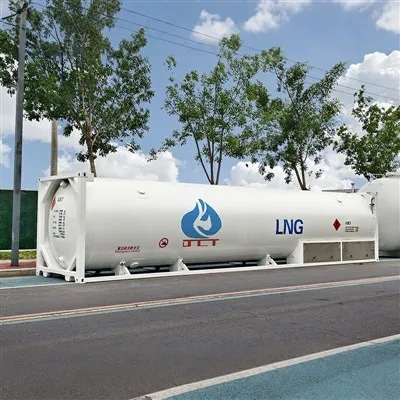
First off, let’s talk about the types of emergencies that a gas plant might face. One of the biggest threats is a gas leak. Gas leaks can be extremely dangerous. Not only can they cause explosions and fires, but the released gas can also be toxic to humans and the environment. Another common emergency is an equipment failure. If a key piece of machinery in the gas plant breaks down, it can disrupt the entire operation and even lead to safety hazards. Natural disasters like earthquakes, floods, and hurricanes can also pose a serious risk to gas plants. These can damage infrastructure, cut off power supplies, and cause leaks or spills.
So, what exactly are the emergency response plans for these situations?
Gas Leak Emergency Plan
When it comes to gas leaks, the first step is detection. Gas plants are equipped with various sensors and monitoring systems. These sensors are constantly on the lookout for any signs of gas leakage. As soon as a leak is detected, the alarm goes off. This is a signal for all the plant workers to immediately stop what they’re doing and follow the pre – set evacuation procedures.
The evacuation plan is well – defined. There are designated evacuation routes that are clearly marked throughout the plant. Workers are trained to move quickly and safely towards the assembly points outside the plant. At the assembly points, a roll call is taken to make sure that everyone has made it out safely.
While the evacuation is underway, the plant’s emergency response team swings into action. They are trained to use specialized equipment to locate the source of the leak. Once the source is found, they try to isolate it. This might involve shutting off valves or other control mechanisms to stop the flow of gas. If the leak is small, they may attempt to repair it on the spot using proper safety gear. However, if the leak is large or too dangerous to handle, they’ll call in external experts, like fire departments or gas safety specialists.
Equipment Failure Emergency Plan
For equipment failure, the first thing is to have a maintenance and inspection schedule. Regular maintenance helps to catch potential problems before they turn into full – blown emergencies. But even with the best maintenance, things can still go wrong.
When an equipment failure occurs, the operators are trained to immediately shut down the affected equipment. This is to prevent further damage and potential safety risks. Then, the maintenance team is notified. They rush to the site with the necessary tools and spare parts.
If the maintenance team can’t fix the problem on their own, they’ll contact us, the suppliers. We have a team of technical experts who are on standby to provide support. We can either guide the on – site maintenance team through the repair process over the phone or, if necessary, send our technicians to the plant. In some cases, if the equipment is beyond repair, we can quickly arrange for a replacement to minimize the downtime of the plant.
Natural Disaster Emergency Plan
Natural disasters are a bit more unpredictable, but gas plants still need to be prepared. Before a natural disaster hits, the plant should have a pre – disaster checklist. This includes things like securing loose equipment, checking the integrity of the building’s structure, and ensuring that the backup power systems are in working order.
During a natural disaster, the priority is the safety of the workers. If it’s safe to do so, the plant may try to continue some basic operations to prevent further damage. For example, in the case of a flood, they might try to pump out water to prevent the equipment from being submerged.
After the natural disaster has passed, a thorough inspection is carried out. The plant needs to assess the damage to the infrastructure, equipment, and the environment. If there are any leaks or spills caused by the disaster, they are dealt with immediately. The repair and restoration process then begins, and this is where we, as suppliers, come in handy. We can provide the necessary parts and materials to get the plant up and running again.
Training and Drills
All these emergency response plans are only as good as the people who implement them. That’s why regular training and drills are essential. Workers at the gas plant are trained on a regular basis on how to respond to different types of emergencies. They learn how to use safety equipment, follow evacuation procedures, and handle emergency situations calmly.
Emergency drills are conducted at least a few times a year. These drills simulate real – life emergency scenarios, such as a gas leak or an equipment failure. By participating in these drills, workers get hands – on experience and can identify any weaknesses in the emergency response plans.
Communication
Communication is also a vital part of the emergency response plans. There should be a clear communication protocol in place. In case of an emergency, the plant management needs to quickly inform the workers, local authorities, and relevant stakeholders. This can be done through various channels, such as sirens, text messages, and public announcements.
The plant should also have a system for communicating with external agencies. For example, if they need to call in the fire department or the environmental protection agency, they should have a pre – established contact list and a clear way of sharing information about the emergency.
In conclusion, having comprehensive emergency response plans is essential for the safe and efficient operation of a gas plant. As a supplier, we play a crucial role in supporting these plans. We provide the necessary equipment, spare parts, and technical expertise to help the plant deal with emergencies effectively.

If you’re in the market for gas plant equipment and are looking for a reliable supplier who can also support your emergency response plans, I’d love to have a chat with you. Whether it’s discussing the best equipment for your needs or how we can assist in an emergency situation, feel free to reach out. Let’s work together to keep your gas plant running smoothly and safely!
CNG Equipment References:
- Industry best practices in gas plant emergency management
- Manuals and guidelines provided by gas equipment manufacturers
- Case studies of past gas plant emergencies and their responses
Xinxiang Jincheng Technology Co., Ltd.
As one of the most professional gas plant manufacturers in China, we’re featured by quality products and good service. Please rest assured to buy customized gas plant made in China here from our factory. For pricelist, contact us now.
Address: Industrial Park, Fengquan District, Xinxiang City, Henan Province, China
E-mail: cncd05@cryocontainer.com
WebSite: https://www.jinchengspecialgas.com/
