As a supplier of lithium-ion batteries, I’ve witnessed firsthand the incredible benefits these power sources offer. Their high energy density, long lifespan, and relatively low self-discharge rate have made them the go-to choice for a wide range of applications, from smartphones and laptops to electric vehicles and renewable energy storage systems. However, one of the most significant concerns associated with lithium-ion batteries is the risk of fire. In this blog post, I’ll share some practical tips on how to prevent a lithium-ion battery from catching fire, based on my experience in the industry. Lithium Ion Battery

Understanding the Causes of Lithium-Ion Battery Fires
Before we delve into prevention strategies, it’s essential to understand what causes lithium-ion batteries to catch fire. At their core, lithium-ion batteries are electrochemical devices that store and release energy through a chemical reaction. When a battery is charged or discharged, lithium ions move between the anode and cathode, creating an electrical current. However, if something goes wrong during this process, it can lead to a thermal runaway reaction, where the battery overheats and catches fire.
There are several factors that can contribute to a thermal runaway reaction in a lithium-ion battery, including:
- Overcharging: When a battery is overcharged, it can cause the lithium ions to build up on the anode, leading to the formation of lithium metal dendrites. These dendrites can penetrate the separator between the anode and cathode, causing a short circuit and triggering a thermal runaway reaction.
- Overheating: High temperatures can accelerate the chemical reactions inside a battery, increasing the risk of a thermal runaway reaction. This can occur if a battery is exposed to direct sunlight, placed near a heat source, or used in a high-temperature environment.
- Physical damage: If a battery is damaged, such as by being dropped or punctured, it can cause the internal components to short circuit, leading to a thermal runaway reaction.
- Manufacturing defects: In some cases, a battery may have a manufacturing defect that increases the risk of a thermal runaway reaction. This can include issues with the electrodes, separator, or electrolyte.
Prevention Strategies
Now that we understand the causes of lithium-ion battery fires, let’s explore some practical strategies for preventing them.
1. Use a Quality Charger
One of the most important steps in preventing a lithium-ion battery from catching fire is to use a quality charger. A good charger will have built-in safety features, such as overcharge protection and temperature control, to prevent the battery from being overcharged or overheated. When choosing a charger, make sure it is compatible with your battery and has been certified by a reputable testing organization, such as UL or CE.
2. Avoid Overcharging
Overcharging is one of the most common causes of lithium-ion battery fires. To avoid overcharging, make sure you follow the manufacturer’s instructions for charging your battery. Most lithium-ion batteries are designed to be charged to a maximum voltage of 4.2 volts per cell. Once the battery reaches this voltage, the charger should automatically stop charging. If you’re using a charger that doesn’t have overcharge protection, make sure you monitor the battery closely and remove it from the charger as soon as it’s fully charged.
3. Keep the Battery Cool
High temperatures can increase the risk of a thermal runaway reaction in a lithium-ion battery. To keep the battery cool, avoid exposing it to direct sunlight, placing it near a heat source, or using it in a high-temperature environment. If you’re using a battery in a device that generates a lot of heat, such as a laptop or smartphone, make sure you use a cooling pad or other cooling device to keep the battery temperature down.
4. Handle the Battery with Care
Physical damage to a lithium-ion battery can increase the risk of a thermal runaway reaction. To prevent physical damage, handle the battery with care and avoid dropping, puncturing, or crushing it. If you’re transporting a battery, make sure you use a protective case or packaging to prevent it from being damaged.
5. Inspect the Battery Regularly
Regularly inspecting your lithium-ion battery can help you identify any potential issues before they become a problem. Look for signs of damage, such as cracks, bulges, or leaks, and make sure the battery is functioning properly. If you notice any issues with the battery, stop using it immediately and contact the manufacturer or a qualified technician for assistance.
6. Store the Battery Properly
Proper storage is essential for preventing a lithium-ion battery from catching fire. When storing a battery, make sure you keep it in a cool, dry place away from direct sunlight and heat sources. If you’re storing a battery for an extended period of time, make sure you charge it to about 50% of its capacity and then store it in a sealed container.
7. Use a Battery Management System (BMS)
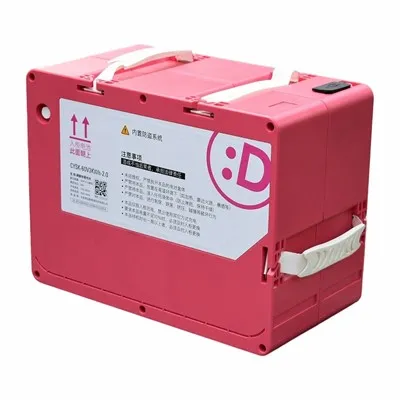
A battery management system (BMS) is a device that monitors and controls the charging and discharging of a lithium-ion battery. A BMS can help prevent overcharging, overheating, and other issues that can lead to a thermal runaway reaction. When choosing a battery, make sure it has a BMS installed, or consider using an external BMS to protect your battery.
Conclusion
Chassis System Lithium-ion batteries are a powerful and versatile energy source, but they also come with a risk of fire. By following the prevention strategies outlined in this blog post, you can reduce the risk of a lithium-ion battery catching fire and ensure the safe and reliable operation of your devices. As a supplier of lithium-ion batteries, I’m committed to providing high-quality products and educating my customers about the importance of battery safety. If you have any questions or concerns about lithium-ion battery safety, please don’t hesitate to contact me. I’d be happy to help you find the right battery for your needs and provide you with the information and support you need to use it safely.
References
- "Lithium-Ion Battery Safety: A Review." Journal of Power Sources, vol. 376, 2018, pp. 290-302.
- "Thermal Runaway Mechanisms of Lithium-Ion Battery for Electric Vehicles: A Review." Journal of Energy Storage, vol. 25, 2019, pp. 101051.
- "Safety Issues and Thermal Runaway Mechanism of Lithium-Ion Battery for Electric Vehicles: A Review." Journal of Power Sources, vol. 434, 2019, pp. 226824.
Jiangsu Changyun Drive Techniques Co., Ltd.
As one of the leading lithium ion battery manufacturers and suppliers in China, we offer a wide range of products with superior quality. Please rest assured to wholesale advanced lithium ion battery from our factory. If you have any enquiry about cooperation, please feel free to email us.
Address: Building B, 1st Floor, Chuangyan Port, Science and Education City, Wujin District, Changzhou City, Jiangsu Province
E-mail: eva@czbenma.com
WebSite: https://www.cyevenergy.com/
