As a supplier of hydraulic pumps, I’ve seen firsthand the importance of proper installation. A hydraulic pump is the heart of any hydraulic system, and its correct installation is crucial for the system’s efficiency, reliability, and longevity. In this blog, I’ll discuss the key installation requirements for hydraulic pumps to ensure optimal performance. Hydraulic Pumps

1. Site Preparation
Before installing a hydraulic pump, it’s essential to prepare the installation site properly. The site should be clean, dry, and well – ventilated. Any debris, dust, or moisture can contaminate the hydraulic fluid and damage the pump.
The floor where the pump will be installed must be level and strong enough to support the weight of the pump and associated equipment. A non – level surface can cause misalignment, which leads to excessive wear on the pump’s components and can even result in premature failure.
2. Mounting the Pump
The mounting of the hydraulic pump is a critical step. The pump should be mounted securely to prevent vibration and movement during operation. Most hydraulic pumps come with mounting holes or flanges that are designed to be bolted to a baseplate or directly to the equipment.
When mounting the pump, it’s important to use the correct bolts and torque specifications. Over – tightening or under – tightening the bolts can cause stress on the pump housing and lead to leaks or damage. The mounting surface should also be smooth and free of any burrs or irregularities to ensure a proper seal.
3. Alignment
Proper alignment between the pump and the drive unit (such as an electric motor or engine) is essential. Misalignment can cause excessive vibration, noise, and premature wear on the pump’s bearings and seals.
There are two main types of alignment: angular and parallel. Angular alignment refers to the angle between the pump shaft and the drive shaft, while parallel alignment refers to the distance between the two shafts. To achieve proper alignment, laser alignment tools or dial indicators can be used.
4. Hydraulic Fluid Selection
The choice of hydraulic fluid is crucial for the proper operation of the pump. The fluid must have the right viscosity, lubricity, and chemical stability. Viscosity is especially important as it affects the pump’s efficiency and performance.
If the fluid is too thick, the pump will have to work harder to move the fluid, which can lead to increased energy consumption and overheating. On the other hand, if the fluid is too thin, it may not provide adequate lubrication, resulting in increased wear on the pump’s components.
It’s also important to ensure that the hydraulic fluid is clean and free of contaminants. Contaminated fluid can cause abrasion, corrosion, and blockages in the pump and the hydraulic system.
5. Inlet and Outlet Connections
The inlet and outlet connections of the hydraulic pump must be installed correctly. The inlet connection should be large enough to allow an adequate flow of fluid into the pump. A restricted inlet can cause cavitation, which is the formation of vapor bubbles in the fluid due to low pressure. Cavitation can damage the pump’s impeller and other components.
The outlet connection should be properly sized and routed to minimize pressure losses. The piping should be free of sharp bends or kinks, which can cause turbulence and reduce the efficiency of the system.
6. Filtration System
A good filtration system is essential for protecting the hydraulic pump from contaminants. The filter should be installed in the hydraulic circuit to remove particles, dirt, and other impurities from the fluid.
The filter should have an appropriate filtration rating based on the requirements of the pump and the hydraulic system. A high – quality filter can significantly extend the life of the pump and reduce maintenance costs.
7. Cooling System
Hydraulic pumps generate heat during operation, and excessive heat can damage the pump and reduce its efficiency. A cooling system is often required to maintain the temperature of the hydraulic fluid within an acceptable range.
There are different types of cooling systems, such as air – cooled and water – cooled systems. The choice of cooling system depends on the size of the pump, the operating environment, and the heat load of the system.
8. Testing and Commissioning
After the installation is complete, the hydraulic pump should be thoroughly tested and commissioned. This involves checking for leaks, verifying the flow rate and pressure, and ensuring that the pump is operating smoothly.
During the testing phase, it’s important to monitor the pump’s performance parameters, such as temperature, pressure, and noise level. Any abnormalities should be addressed immediately to prevent further damage.
9. Maintenance Plan
A proper maintenance plan is essential for the long – term performance of the hydraulic pump. Regular maintenance tasks include checking the fluid level, changing the filter, inspecting the pump for wear and damage, and lubricating the moving parts.
It’s also important to keep records of all maintenance activities, including the date of maintenance, the tasks performed, and any issues that were identified. This can help in identifying trends and predicting potential problems.
10. Training for Operators
Operators of the hydraulic pump should be properly trained on its operation and maintenance. They should understand the installation requirements, the importance of proper fluid selection, and the signs of potential problems.
Training can help operators to use the pump safely and efficiently, and to identify and address issues before they become serious.
In conclusion, the installation of a hydraulic pump requires careful planning and attention to detail. By following these installation requirements, you can ensure that your hydraulic pump operates efficiently and reliably for many years.
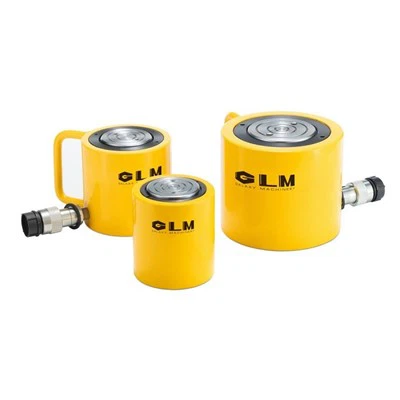
If you’re in the market for a high – quality hydraulic pump or need advice on installation and maintenance, we’re here to help. Our team of experts has extensive experience in the hydraulic industry and can provide you with the best solutions for your specific needs. Contact us to start a procurement discussion and let us help you find the perfect hydraulic pump for your application.
RC RR Hydraulic Cylinder References:
- "Hydraulic Systems: Design, Installation, and Maintenance" by John Doe
- "The Handbook of Hydraulic Pumps" by Jane Smith
Taizhou Galaxy Machinery Co., Ltd.
Taizhou Galaxy Machinery Co., Ltd. is one of the leading hydraulic pumps manufacturers and suppliers in China. We warmly welcome you to wholesale cheap hydraulic pumps for sale here from our factory. Good service and reasonable price are available.
Address: 18 Jiulong Road, Jiulong Town, Hailing District, Taizhou City, Jiangsu Province,China
E-mail: sales03@galaxy-machinery.com
WebSite: https://www.galaxy-machinery.com/
