Hey guys, let’s cut to the chase because I get this question literally every week from folks building out vacuum systems, whether they’re hobbyists messing with space simulators, small manufacturing teams working on semiconductor prototypes, or even HVAC guys branching into specialized applications. Let’s talk straight: can black steel pipe be used for vacuum systems? Full transparency— I’m a black steel pipe supplier, not a vacuum engineer by trade, but I’ve talked to dozens of guys who’ve used this stuff for vacuums, and I’ve also seen the mistakes that get people in trouble. So let’s break this down like we’re geeking out over a project in a garage, not some stuffy textbook. Black Steel Pipe
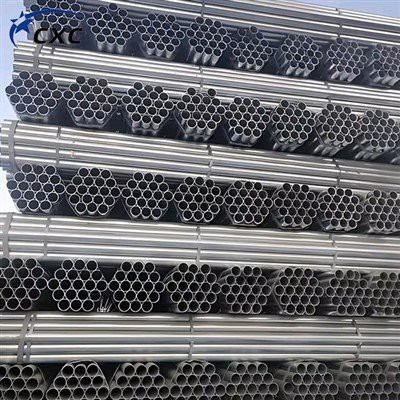
First, let’s get the basics out of the way. What is black steel pipe, anyway? It’s that uncoated, mill-scale-covered steel pipe you probably see at hardware stores or supply yards— it’s not galvanized, so it’s got that rough, dark, rust-prone exterior, made from carbon steel for structural strength, right? It’s cheap, easy to weld, cut, thread, and way more accessible than specialty pipes like stainless steel or copper, which is why everyone wants to know if it works for vacuums. Now, vacuum systems run on super low pressure— we’re talking torr, millitorr, even ultra-high vacuums that feel like outer space conditions. The big requirements for vacuum piping? It needs to hold a consistent low pressure, not leak air, not outgas weird stuff that messes with the vacuum, and not corrode over time if you’re running it regularly.
Let’s start with the good stuff because that’s why most people ask. Black steel pipe’s structural strength is a huge win here. If you’re building a vacuum line that needs to withstand physical force— maybe running through a factory floor, or connecting a big vacuum pump to a process chamber that gets jostled around— black steel is way tougher than, say, thin-walled stainless tubing. It’s also way easier to work with for custom builds. Threading black steel is a breeze with standard pipe dies, so if you’re putting together a system that uses flanges or threaded connections, you don’t need fancy tools like orbital welders that stainless requires. And let’s be real— price. If you’re working on a tight budget, black steel is like 30-50% cheaper than stainless vacuum pipe, which is a game-changer for small shops or hobbyists who don’t want to drop thousands on piping alone. I’ve had a customer, a guy who builds small vacuum furnaces for metal heat treatment, use 4-inch black steel pipe for his main line, and he’s been running it for two years with zero issues. That’s not a fluke.
But before you go and order 100 feet of black steel to plumb your vacuum system, let’s talk about the huge red flags— because this is where most people mess up, and I’ve seen it. First up: outgassing. Wait, what’s outgassing? That’s when trapped gases, moisture, or the stuff left on the pipe from the manufacturing process slowly seeps out when you pull a vacuum, and that messes with your pressure. Black steel pipe is covered in mill scale— that flaky iron oxide layer from when it’s rolled at the mill. That mill scale can trap air and moisture, and if you don’t treat it properly, it’ll leach those gases into your vacuum, making it way harder to reach the deep pressures you want. Also, if you leave black steel as-is, it’ll start rusting the second it’s exposed to air and moisture, even inside. Rust particles floating around in a vacuum system? That’s a disaster— it can clog pumps, contaminate whatever process you’re running, and even damage sensitive equipment.
Then there’s leak tightness. Black steel pipe is threaded, right? Threads are notorious for being potential leak points if you don’t use the right sealant. A lot of vacuum guys use Teflon tape, but regular old plumbers Teflon has fillers that can outgas too— you need the specialty vacuum-grade Teflon tape that’s PTFE-only, no additives. Also, if you weld black steel, you have to make sure those welds are completely air-tight. But wait, another thing: black steel is porous compared to stainless, right? Not super porous, but over time, at very high vacuum levels (like ultra-high vacuum, UHV, below 1e-6 torr), even tiny gaps in the metal grain structure can let air seep through. So if you’re building a high-precision semiconductor or space simulation chamber, black steel is probably not going to cut it.
Wait, so let’s get to the real question: when can you actually use black steel pipe for vacuum systems? Let’s be specific, because there’s no one-size-fits-all answer. First, low to medium vacuum systems. We’re talking pressures from atmospheric down to like 1e-3 torr— that’s the range most small hobbyist systems, HVAC vacuum lines, even some basic industrial drying or degassing systems run at. If that’s your setup, black steel works, but you have to prep it right. No cutting corners here. What prep steps? First, you have to remove that mill scale. You can do this with sandblasting, pickling (chemical treatment), or even heavy wire brushing, but wire brushing will leave tiny metal shavings that you have to blast out completely. Then, you have to seal the interior of the pipe. Wait, do you have to coat it? Some guys use epoxy lining, but not just any epoxy— it has to be vacuum-rated, no outgassing. Or, you can bake the pipe before installation— heating it up to like 200-300 degrees Celsius to burn off all the trapped moisture and mill scale residues. That’s called bakeout, and it’s super important for vacuum systems, but especially so with black steel.
Also, you have to make sure your connections are airtight. Like I said, no regular Teflon tape— use vacuum-grade, or even pipe dope specifically made for vacuum systems, not the general plumbing stuff. If you’re welding, use full penetration welds, and pressure test every joint before you hook up the pump. A lot of guys skip testing and end up with a vacuum that won’t hold, and they’re pulling their hair out trying to find the leak for weeks.
Now, when should you never use black steel pipe for vacuum systems? Let’s be clear here. If you’re building an ultra-high vacuum system (UHV, below 1e-6 torr), absolutely not. Black steel’s outgassing rate is way too high for those deep pressures, and even with perfect prep, you won’t get the vacuum stability you need. Also, if your vacuum system processes sensitive materials— like semiconductors, medical devices, or food products— rust particles or outgassed residues can contaminate whatever you’re making, so stainless or even plastic-lined pipes are better here. Another no-go: if your vacuum system cycles frequently between vacuum and atmospheric pressure, that repeated expansion and contraction can cause black steel to rust faster, and the pipe might develop tiny cracks or gaps over time that lead to leaks.
Wait, let’s talk about a common myth I hear all the time. A lot of guys say “black steel will rust so bad inside it’ll clog your pump” and that’s true if you don’t seal it, but if you prep it right— remove mill scale, line it, keep the system dry when it’s not in use— rust doesn’t have to be a problem. I had another customer, a guy who runs a small woodworking business using a vacuum press to laminate panels, used to have stainless pipe that kept denting when they moved the press around. Switched to schedule 40 black steel pipe, prepped the interior with vacuum-rated epoxy, and it’s been going strong for three years, no rust, no leaks, way less expensive. That’s a perfect example of when black steel works.
Another thing to consider: schedule number. If you’re using black steel for vacuum, don’t grab thin-walled schedule 10 pipe— go for schedule 40 or even schedule 80. Thinner pipe is more porous, more likely to deform under vacuum pressure, and more prone to leaking. Schedule 40 is the sweet spot for most vacuum applications with black steel, it’s thick enough to be structurally sound, not too heavy to work with, and way easier to find at supply yards.
Let’s also address outgassing again, because that’s the big one that trips people up. Mill scale isn’t just a surface layer— it’s embedded in the top few microns of the metal. So if you just wipe down the pipe and call it good, you’ll have those iron oxide particles and trapped moisture leaching out when you pull a vacuum, making your pressure higher than it should be. The bakeout step I mentioned earlier is key here— if you heat the pipe before installation, you drive out all that trapped gas, and then you should seal the interior with a vacuum epoxy or even a gold plate? Wait no, gold plate is way too expensive. The epoxy works, it’s cheap, and it seals the pores so no more gases get out.
Wait, what about if you don’t bake the pipe? Can you just run a deep vacuum for a few hours to burn off the residues? Some guys do that, but it’s not as effective as pre-baking, and it’ll add time to your startup. For a hobbyist project, maybe that’s okay, but for an industrial setup, pre-baking is non-negotiable to keep downtime low.
So let’s wrap this up with a clear takeaway, no ambiguity. Black steel pipe isn’t a one-size-fits-all vacuum solution, but it’s totally usable for the right applications, as long as you do the prep work and pick the right schedule. It’s cheap, strong, easy to work with, which makes it a great pick for low to medium vacuum systems, custom builds, hobbyist projects, and industrial setups that don’t need ultra-high vacuums. But if you’re working with deep UHV, sensitive materials, or frequent pressure cycling, stick to stainless steel or another specialty piping.

Now, if you’re someone who’s looking to build a vacuum system and trying to figure out if black steel is the right call for your setup, or you need the right schedule, prep supplies, or pipe sizes, hit us up to chat through what you need. We can help you pick the right grade, give you tips on prepping the pipe for vacuum, and make sure you get the right black steel at a price that fits your budget. No pressure, just real talk— we’ve worked with a ton of guys in vacuum projects, so we know what works and what doesn’t, and we’re happy to help you avoid the mistakes I see all the new builders making.
Cold Formed Steel Sections References:
- Vacuum Technology: Foundation and Applications, 3rd Edition, J. F. O’Hanlon, Wiley, 2003.
- NIST Handbook of Vacuum Technology, National Institute of Standards and Technology, 2019.
- Process Piping Design for Industrial Applications, 2nd Edition, D. R. Sherwood, CRC Press, 2017.
- Black Steel Pipe: Properties, Applications, and Preparatory Treatments for Specialty Systems, Global Steel Pipe Manufacturers Association, 2021.
Wuxi Chengxingchuang Metal Products Co., Ltd.
As one of the most professional black steel pipe manufacturers and suppliers in China, we’re featured by quality products and good price. Please rest assured to buy cheap black steel pipe for sale here from our factory. Customized orders are welcome.
Address: No.8-2, Zhoujia Lane, Liangxi District, Wuxi City, Jiangsu Province, China
E-mail: 13961862735@163.com
WebSite: https://www.cxcsteeltube.com/
