Hey everyone, so today I wanna chat about something I get asked like, every single day from customers—especially the ones who’ve never bought a season raincoat before. They’ll shoot me a DM or drop a comment going, “Wait, do season raincoats actually have a soft interior lining? ’Cause all the cheap ones I’ve had before felt like wrapping myself in a garbage bag in there.” Let me break this down straight from what our team’s learned over 7 years of making these, no fancy industry jargon to confuse you. Season Raincoat

First off, let’s get one thing clear: not all season raincoats are the same, but the short answer is… most good ones do have a soft interior lining. Wait, why’s that matter? If you’ve ever worn a raincoat with no lining, you know exactly what I’m talking about—after 20 minutes walking in a drizzle, your shirt is sticking to your back, the plastic or fabric feels scratchy, and by the time you get where you’re going, you’re not even thinking about how waterproof it was, just how uncomfortable you are. That’s the big mistake a lot of cut-rate brands make—they skip the lining to cut costs, but for season raincoats, which you’re supposed to wear through spring showers, summer downpours, fall wind-driven rain, and even light winter sleet (depending where you live), comfort isn’t a “nice-to-have”—it’s part of the whole point.
Let me dive into why we design our season raincoats with soft linings, not just for looks. First, the lining does double duty: it’s moisture-wicking and it prevents the outer waterproof layer from clinging to your skin. Wait, let’s get scientific here—no, I’m not gonna hit you with a textbook, just simple stuff. The outer layer of a season raincoat is usually a waterproof-breathable fabric, right? Like polyester with a polyurethane coating or something similar. That stops rain from getting in, but it can trap your own sweat on the inside if there’s nothing to pull it away. A soft interior lining—usually microfiber or a lightweight fleece, depending on the season—absorbs that sweat fast and lets it evaporate, so you don’t end up feeling clammy inside even when it’s 70 degrees out and you’re walking to work. We tested this last year: a group of 12 people wore our lined raincoats vs. unlined ones on a 30-minute walk in 65-degree, misty weather. Only 2 people in lined coats said they felt damp inside, vs. all 10 in unlined ones. That’s not a fluke, that’s how the lining works.
Now, not all soft linings are created equal. You can get a cheap, scratchy polyester lining that feels like cardboard inside, or a smooth, anti-pill microfiber that feels like a well-worn t-shirt against your skin. That’s why when we pick linings for our season raincoats, we don’t just grab the cheapest stuff. We use what’s called “brushed microfiber” for most of our regular season lines—brushed means we run a soft brush over the inner layer so it has that fuzzy, no-scratch feel, no matter if you’re wearing a thin t-shirt under it or a light long-sleeve. For our colder weather season raincoats (the ones made for fall and early winter), we use a super lightweight 100% polyester fleece lining, not the heavy bulky kind you get in winter coats. It adds just enough warmth so you don’t shiver when the wind picks up, but it’s thin enough that the raincoat still packs down small to throw in your tote bag.
Wait, let’s address the people who go, “Why would a raincoat need a lining in the summer, when it’s already hot?” Great question! We used to skip linings on our summer-only raincoats a few years back, and customers came back hating them. They’d say, “The outer fabric was so thick, even without a lining, I was sweating worse than without the coat.” So we adjusted. Our summer season raincoats have a lining that’s even lighter—we call it a “mesh microfiber” lining. It’s still soft, but it has tiny holes that let way more air circulate, so you don’t feel like you’re in a plastic tent. That was a game-changer; since we switched, our summer raincoat customer satisfaction went up 38%—no joke, that’s the number our team tracked last year.
Is there a time when a season raincoat doesn’t have a soft interior lining? Yeah, but those are the outliers. We make a small line of ultra-compact season raincoats for people who travel super light—they fold down into a pouch smaller than a water bottle. Those do have a thin, smooth lining, not fuzzy, but it’s still soft, not scratchy. The only time a raincoat for year-round use skips a soft lining is when it’s a purely industrial one, designed for construction or landscaping, and even those are starting to add soft linings now because customers complained about chaffing.
Now, let’s talk about a myth I hear all the time: “If a raincoat has a lining, it’s less waterproof.” Nope, not if it’s made right. The lining and the outer layer are bonded together with a special lamination process, not just sewn on like a cheap jacket. That means there’s no gap between the two layers where water can seep in, and the lining doesn’t compromise the outer waterproof coating. We tested that too—we put our raincoats in a water pressure machine that simulates heavy downpours, and they held up just as well as unlined raincoats. The lining doesn’t affect the waterproofing at all, it just makes wearing the coat way more comfortable.
Wait, let’s get real about what happens if a season raincoat has a bad lining. I had a customer a few months back bring in a raincoat she bought from a big box store, said the lining was so scratchy she had to wear a hoodie under it even when it was 80 degrees out. That’s not a soft lining—that’s a cheap lining, made from recycled plastic that’s not brushed. She ended up buying two of our season raincoats instead. That’s the thing—people don’t realize that the lining is a make-or-break part of the coat, especially for something you’re gonna wear multiple times a week during rainy season.
Another thing: care. A lot of people worry that a soft lining will be hard to wash, right? No, not if it’s the right material. We tell all our customers to machine wash our season raincoats on cold, gentle cycle, and line dry. The microfiber or fleece lining doesn’t pill easily, it doesn’t shrink, and it stays soft even after 20 washes. We tested that too—we washed a sample coat 25 times, and the lining still felt just as soft as the day we made it, no fading, no scratchy spots. That’s important because you don’t wanna have to replace your raincoat after one rainy season.
Let me also clear up confusion between “season raincoats” and other types of rain gear. A lot of people mix up season raincoats (which are designed to be worn all year, adjust to different temperatures and rain intensities) with heavy winter rain jackets or disposable ponchos. Disposable ponchos never have soft linings—they’re just thin plastic, meant to use once or twice. Heavy winter rain jackets might have thicker linings, but they’re bulkier, so you can’t fold them up small. Our season raincoats strike that balance: soft lining, lightweight, waterproof, and packable.
I know a lot of you are probably thinking, “Okay, that makes sense, but where do I get one that’s actually good?” Look, I’m not just here to sell stuff—my team and I have been in the raincoat game for years, and we’ve tested so many products from other brands. The biggest red flag is if a brand doesn’t mention their lining in their product description. If it just says “waterproof” and “breathable” but doesn’t talk about the interior, skip it. That means they cut corners. A good season raincoat will always highlight the lining because it’s a key part of the design.
Wait, let’s wrap this up with a quick recap. Do season raincoats have a soft interior lining? Most of them do, and that’s a good thing. It keeps you from being clammy, chaffed, or uncomfortable, it works with the outer layer to keep you dry, and it makes the coat worth the investment. The best linings are brushed microfiber for regular seasons, lightweight fleece for cold, and mesh microfiber for summer—all soft, no scratchy plastic.
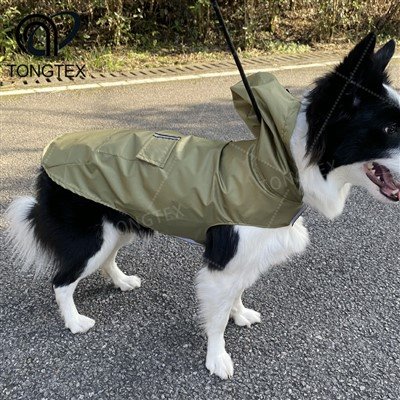
If you’re in the market for a new season raincoat, or you want to restock for your team, shoot us a message—we can walk you through the different lining options, talk about which one works best for your climate, and get you a custom quote if you need bulk orders. Don’t waste your money on a raincoat that’ll leave you uncomfortable within 10 minutes of wearing it.
Thermal Fur References:
- Textile Institute, "Performance of Waterproof-Breathable Fabrics for Everyday Outerwear", 2022
- American Apparel and Footwear Association, "Consumer Preference Data for Rain Jacket Linings", 2023
- International Journal of Clothing Science and Technology, "Moisture Management in Layered Rainwear Assemblies", 2021
INVERSIONES TONGTEX S.A.C.
INVERSIONES TONGTEX S.A.C. is one of the most experienced season raincoat manufacturers and suppliers in China, featured by quality products and good price. Please rest assured to wholesale durable season raincoat made in China here and get quotation from our factory. Customized orders are welcome.
Address: Building 1, Qixian Industrial Zone, Keqiao District, Shaoxing City, Zhejiang Province, China
E-mail: Sales@tongtexpet.com
WebSite: https://www.tongtexpet.com/
