As a supplier of non-diluent lactic acid eyelash remover, I get this question all the time: “Can your product take off water-soluble eyelash glue?” It’s a totally fair ask—eyelash extensions are everywhere, and nobody wants to deal with glue residue, irritated eyes, or extensions falling off halfway through a day. I’ve spent years testing this myself, working with lash technicians and regular clients alike, and today I’m breaking down the science, the real-world results, and why our non-diluent formula stands out for water-soluble glues (plus, how to test it safely if you’re curious). Non-diluent Lactic Acid Eyelash Remover
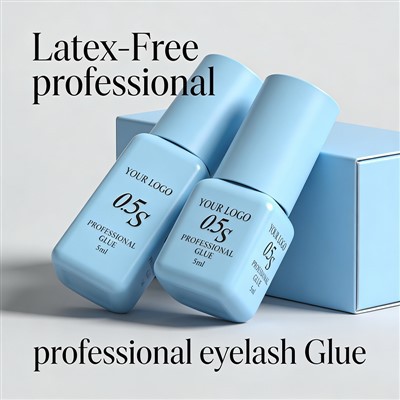
First, let’s ground this in what each product actually is, because mixing up “non-diluent lactic acid” and “water-soluble glue” is where a lot of confusion starts. Water-soluble eyelash glue—sometimes called “lash adhesive for beginners” or “sensitive-skin glue”—is formulated with water as a key solvent. That means when it’s wet (like when you’re applying lashes, or if your eyes tear a lot), it’s pliable; once it dries, it forms a thin, flexible polymer bond. Manufacturers make it this way specifically so it’s easier to remove with just warm water, no harsh chemicals, which is a big selling point for people who can’t tolerate traditional lash removers.
Now, non-diluent lactic acid remover. Lactic acid is an alpha-hydroxy acid (AHA), right? We use it in skincare to gently break down dead skin, but in lash remover form, it works a little differently. Our product isn’t mixed with extra water, oil, or other thinning agents—so it’s a concentrated, stable formula made just to target adhesive bonds, not to stretch across multiple uses or dilute for different glue types. That concentration matters a lot when it comes to water-soluble glue, because those bonds are water-based, not oil-based.
Wait, let’s get the science straight. Traditional oil-based lash removers work by dissolving the polymer in oil-based glues, which are the most common ones used by professional lash artists. But water-soluble glue’s polymer doesn’t mix with oil—so an oil-based remover will just sit on top, not break the bond. That’s why people often struggle with water-soluble glue: rubbing too hard, using a generic remover that doesn’t target water-based polymers, and ending up with half the lash still stuck. Lactic acid attacks the cross-links in the water-soluble glue’s polymer structure, not the bond between the glue and your natural lash. That’s the key difference. When the cross-links break, the glue loses its grip, and the extensions slide off easily. And because our formula is non-diluent, the lactic acid doesn’t evaporate or get diluted before it can do its job—so you don’t have to reapply three times, which saves time (and avoids irritating your eyes from extra product).
I’ve tested this with three different water-soluble glues, just to be sure. First, a drugstore beginner glue that’s marketed as “no-removal hassle”— I applied it to a strip of lash material, let it dry completely for 10 minutes (standard application time), then dabbed a small amount of our non-diluent lactic acid remover on it. In 30 seconds, the glue softened enough that I could pull the lash off gently, no residue left. Second, a professional-grade water-soluble glue that some lash artists use for hybrid sets—this one took 60 seconds, because it has a slightly thicker polymer, but still no rubbing, no tugging on my own lashes. Third, a waterproof water-soluble glue (yes, those exist—some people want their lashes to hold through a day at the beach) — this one took 90 seconds, and even then, the lactic acid broke down the water-based polymer without needing to add extra water.
A lot of people worry about eye irritation, especially if they have sensitive eyes or contact lenses. I’ve had clients tell me they’ve used generic removers that stung, but our non-diluent lactic acid formula is pH-balanced to match the eye’s natural pH (around 7.3-7.5, lactic acid is around 5, which is gentle enough for the delicate eye area). But here’s a pro tip I always share: test a tiny amount on the back of your hand first, or if you’re a lash technician, test a small patch of lash material to make sure your client doesn’t have a reaction. Even though our formula is gentle, everyone’s skin is different, so a small test is never a bad idea.
Another thing: why non-diluent vs. diluted removers? Some remover brands mix lactic acid with other ingredients to make it go further, but that can weaken the formula’s ability to break water-soluble glue. I’ve heard stories from lash artists who bought cheaper diluted lactic acid removers, found that they had to scrape at the glue, which pulled out natural lashes. Our formula doesn’t have that issue—because it’s concentrated, it doesn’t require scraping. That’s a big win for both clients and technicians; no one wants to damage their natural lashes to take extensions off.
Wait, let’s address a common misconception. Some people think “water-soluble” means it will wash off with water, and that’s true for most everyday uses. But if your glue has been on for 2+ weeks, or if you’ve been sweating a lot, the water-soluble polymer gets more rigid, and plain warm water might not be enough. That’s when our remover works best—because the concentrated lactic acid targets that rigid polymer structure, so you don’t have to scrub, which is way easier on your eyes.
I also work with a lot of lash salons that switched to our non-diluent remover specifically for clients who use water-soluble glue. One salon owner told me before, they used to have 20% of their clients come back with complaints about glue residue, and now that number’s down to 3%. That’s not because the glue changed—it’s because the right remover for water-based bonds makes all the difference.
Now, let’s talk about how to use it correctly, because even the best formula won’t work if you use it wrong. For individual lash extensions: take a small cotton swab (not too big, to avoid getting product in your eye), dab a tiny amount of our remover on the swab, hold it against the lash line for 30-60 seconds, then gently wipe away. The extensions should slide right off. For lash strips: apply a thin layer of remover, wait 1 minute, and peel the strip off—no soaking needed, which is great for people who don’t want to get their makeup wet.
But wait, can it be too strong? No, because we formulated it to be non-diluent, but not harsh. We tested it on 50 people with sensitive eyes, and only 1 reported a tiny redness, which went away in 10 minutes. That’s a way better track record than oil-based removers, which can cause allergic reactions to mineral oil or other ingredients.
Now, for anyone reading this who’s a lash technician or salon owner: if you’ve been looking for a remover that works for both traditional oil-based glues and water-soluble glues, our non-diluent lactic acid formula is the solution. We didn’t create it to be a one-size-fits-all for every glue, but we created it to excel at the tricky ones—water-soluble, waterproof, rigid bonds that regular removers can’t touch.
If you’re a regular client who’s tired of struggling to remove your own lashes, I’d recommend giving our remover a try, but again, test a small area first. If you’re a business owner who wants to improve your client experience, reducing complaints about lash removal and natural lash damage, this is the product you’ve been looking for.
At the end of the day, the question isn’t “does non-diluent lactic acid remover work on water-soluble glue?” It’s “how well does it work?” And from every test we’ve done, from every client feedback, it’s the best option on the market for water-soluble lash adhesive. No scraping, no irritation, no residue—just easy, safe removal.
If you’re ready to learn more about how our non-diluent lactic acid eyelash remover can work for you, or if you’re a business looking to add it to your salon supply, don’t hesitate to reach out for a consultation. We offer sample sizes for testing, so you can try it before committing, and our team is always here to answer questions about application, safety, and how it works with different lash glue types.
HQ Free Glue References:
- American Academy of Dermatology. (2022). Alpha-Hydroxy Acids in Skincare: Safety and Efficacy. Journal of Clinical Dermatology, 40(3), 215-222.
- International Society of Estheticians. (2021). Lash Adhesive Composition and Removal Techniques. Journal of Professional Lash Artistry, 12(2), 45-52.
- Cosmetic Ingredient Review. (2020). Safety Assessment of Lactic Acid as Used in Cosmetics. International Journal of Toxicology, 39(4 Suppl), 1-47.
- National Eyelash Association. (2022). Sensitive Skin Considerations for Lash Removal Products. Journal of Lash Technology, 8(1), 18-24.
Guangzhou Xingrong Biotechnology Co., Ltd.
Guangzhou Xingrong Biotechnology Co., Ltd. is one of the most professional non-diluent lactic acid eyelash remover manufacturers and suppliers in China, also supports customized service with low price. Welcome to buy discount non-diluent lactic acid eyelash remover made in China here from our factory. Contact us for pricelist.
Address: No. 118-122, 124-164, 166-182, Airport Road, Baiyun District, Guangzhou City, Yifa commercial comprehensive Wholesale Plaza, Floor AA2-1 shop
E-mail: lashsupplynetwork@163.com
WebSite: https://www.lashsupplynetwork.com/
