Alright, let’s cut to the chase— I’m the guy who’s been supplying high pressure washers for over a decade, and trust me, this is the question I get at least three times a week from contractors, café owners, even homeowners who’ve gotten sick of scrubbing grout or garage floor gunk. So, can you actually use a high pressure washer indoors? The short answer is… mostly no, but with a few huge caveats, and if you do it wrong, you’re gonna have a bad time. Let’s break this down like I’d break it down for a first-time customer—no stuffy engineer jargon, just real-world stuff I’ve seen go wrong (and right) over the years. High Pressure Washer
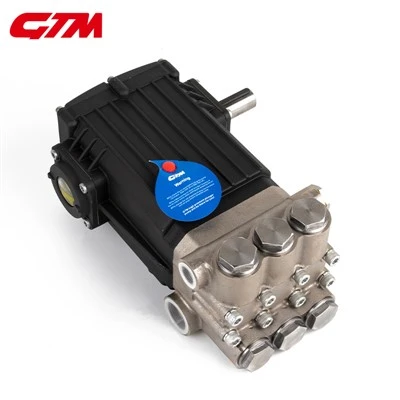
First, let’s start with why “regular” pressure washers are built for outdoors, full stop. If you’ve ever held one on a concrete patio, you know that kick—those water jets move at like 1000 to 4000 PSI, depending on the model. Now, imagine that same jet pointed at your kitchen linoleum? Or worse, a drywall wall? Wait, no—don’t imagine that, I’ll tell you exactly what happens. I had a guy last year, a small restaurant owner, thought he’d blast the grease off his kitchen backsplash with his old gas-powered pressure washer. He turned it on, aimed at the tile, and half the grout behind the tile blew out. Then the water got into the electrical outlet below the counter—thank God his line tripped, but he was out two outlets, a backsplash, and a full day of closing to fix it. That’s the kind of mistake you make when you don’t realize the tools built for open air don’t play nice inside.
But wait, before you go and toss all your indoor cleaning problems to a mop, let’s talk about when it is safe, and what you need to do to not turn your space into a swimming pool or a electrocution hazard. Here’s the deal: not all pressure washers are equal. Gas models are a hard pass indoors—they emit carbon monoxide, full stop. Even a tiny gas unit in a closed garage or a 10×12 utility closet is enough to give you a headache, or worse, if you run it for more than a minute. So scratch gas entirely for indoor use. Stick to electric models—they’re low-voltage, no exhaust, way more controllable. But even electric ones aren’t a free pass.
Next, the PSI thing. If you’re using anything over 2000 PSI inside, you’re asking for trouble. I’d even say cap it at 1500 PSI for most indoor jobs—trust me, that’s more than enough to blast crusted-on grease off a warehouse floor, or scrub mold off a basement wall, without tearing through drywall or tile grout. And let’s talk about nozzles—flat, wide nozzles (like 25-degree or 40-degree) are your friend. The narrow 0-degree “jet” nozzle? Ban that indoors. That’s the one that’s gonna blast a hole in wood or send a 3-inch stream flying through a window (wait, another guy did that too—he was cleaning his basement window from the inside, forgot the nozzle was set to 0, put a hole in the glass. Oops).
Now, the biggest hazard everyone overlooks: water damage and electrical safety. Indoors, there’s no place for water to go except where it shouldn’t. Outdoors, it runs off into the grass, but inside, it’s gonna puddle. Puddles near power tools, outlets, light switches—bad. Real bad. I always tell customers that if you’re gonna do indoor pressure washing, you need to unplug every nearby electrical item first. No exceptions. And if you’re working in a space with carpet? Yeah, you can do it, but you need a wet/dry vac ready to suck up every drop of water within 10 seconds. I’ve seen basements flood because someone blasted a wall and didn’t have a way to catch the water—drywall turns to mush in 10 minutes, mold starts growing faster than you can say “uh-oh.”
Wait, but let’s talk about actual use cases where people ask about this. Like, a bakery with a huge, crusted-on grease floor? Or a warehouse with concrete walls covered in dust and grime? Or even a homeowner cleaning their garage floor (wait, is a garage indoor? No, but if it’s attached, that counts as semi-indoor, and you still need to be careful). For those jobs, the right tool is a specialized electric pressure washer that’s rated for indoor use—we stock them, obviously, because this is my job. These units have shorter hoses (less chance of tripping over it in a tight space), lower PSI settings, and sometimes even a built-in drain to catch excess water. I had a construction client last month who used one of our indoor-rated units to clean the interior of a shipping container that was covered in dust from a factory fire—said it took half the time of scrubbing by hand, and no water got into the electrical wiring of the container. That’s a win, right?
Now, what about the times when you should never use a pressure washer indoors? Let’s make this list clear, because I’ve had way too many customers ask for these exceptions. First, any job on finished walls, ceilings, or furniture—unless it’s a very specific, super low-PSI job, and you’re covering everything with plastic sheeting. Second, any space that’s not properly ventilated—even electric units can cause a humid buildup that leads to mold, so if you’re in a small room with no windows or fans, open a door or a window before you start. Third, cleaning delicate items like artwork, vintage flooring, or anything with a finish—pressure washer water can strip paint, lacquer, even wood stain in seconds. I learned that the hard way when a customer brought in a cedar chest he’d tried to clean inside with a pressure washer—he stripped the entire finish, and we had to charge extra for a refinish (but hey, lesson learned).
Wait, another thing: noise. I forgot about noise. Indoors, a pressure washer’s hum is way louder than outdoors—think of a leaf blower, but sharper, bouncing off walls and making your ears ring. If you’re gonna use one for a long job, invest in ear protection, and maybe warn anyone else in the building (or house) that you’re running it. A guy who runs a small gym called me last week because he wanted to clean the rubber floor in the back—we recommended the quiet model, and he said his trainers didn’t complain, which was a huge relief.
Now, let’s talk about the mistakes that almost everyone makes. First, not testing the pressure on an inconspicuous spot. Like, if you’re cleaning a concrete basement wall, blast a tiny, hidden area first (like behind a bookshelf) to make sure the PSI doesn’t damage the wall. Second, not covering everything. I tell customers to tape up outlets, cover light switches, lay down plastic sheeting on the floor and any nearby furniture—even if you think you’re being careful, water splatters. Third, rushing. Pressure washing indoors is not like outdoor—you can’t just hold the wand and move it fast. You have to keep it moving, and keep it at least a foot away from the surface. If you hold it too close, you’ll damage it, guaranteed.
So, to circle back to the original question: can I use a high pressure washer indoors? The answer is yes, but only if you follow strict rules. No gas units, cap PSI at 1500, use wide nozzles, cover all electronics, have a wet/dry vac on hand, test first, and never rush. And if you’re not sure which unit to get, that’s what I’m here for. I don’t try to upsell you on the biggest, baddest pressure washer— I ask you what job you’re doing, where, and what space you’re working in, then point you to the one that’s perfect for you.
Last week, I had a customer who runs a food processing plant. They needed to clean the inside of their packaging lines, which were covered in flour gunk and grease. Everyone thought they had to hire a crew to scrub by hand for days, but we got them two of our electric, low-PSI indoor pressure washers, and they had the lines cleaned in half a day, no damage, no water leaks. That’s the kind of win that makes this job worth it.

If you’re thinking about tackling an indoor pressure washing job—whether it’s a small garage floor, a restaurant kitchen, a warehouse, or a basement—don’t guess. Don’t risk damaging your space or hurting yourself. Reach out, and we can chat about the right equipment, the safety steps you need to take, and make sure your job goes smoothly. No pressure, no sales pitch, just real advice from someone who’s been in this game long enough to know what works and what doesn’t.
Hose Reel References:
- Occupational Safety and Health Administration (OSHA). Carbon Monoxide Hazards from Small Gasoline-Powered Engines, 2022.
- Center for Disease Control and Prevention (CDC). Mold Prevention and Remediation, 2023.
- Pressure Washing Industry Safety Association. Indoor Pressure Washing Best Practices, 2021.
- Underwriters Laboratories (UL). Safety Standards for Electric Pressure Washers, 2020.
Zhejiang GTM Hi-Tech Intelligent Equipment Co., Ltd.
We are one of the most experienced high pressure washer manufacturers and suppliers in China, also support customized service. Please feel free to buy discount high pressure washer for sale here from our factory. Quality products and reasonable price are available.
Address: No.5 of Changjiang Road, 2nd Economic Development Zone of Wenling, Zhejiang, China
E-mail: yehuanting1@hongyemfg.com
WebSite: https://www.gtmplungerpump.com/
