Hey there, I’m Jake, and I run a small-to-mid-sized FR4 PCB shop that’s been around for 12 years. Let me tell you something: when we first started, we barely thought about environmental rules—we were just trying to get boards out on time and keep our clients happy. Fast forward, and these regs aren’t just “red tape” anymore; they’re make-or-break for anyone making or using FR4 PCBs. And before you ask—yes, I’ve messed up a couple of times trying to keep up, which is why I’m breaking this down like I’d explain it to a new engineer or a first-time buyer. FR4 PCB
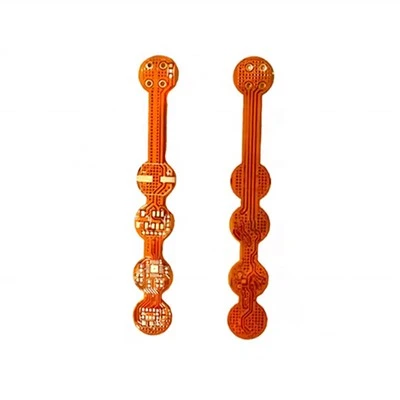
First, let’s ground this: FR4 is that fiberglass-epoxy laminate that’s in like 90% of PCBs, right? It’s cheap, durable, works for almost everything from smart watches to industrial control systems. But its manufacturing uses chemicals that aren’t exactly gentle on the planet. That’s where the environmental regs come in—they’re not here to kill business, they’re here to make sure we don’t poison rivers or dump toxic stuff into the air while making the boards you need.
Let’s start with the big ones in the US, since that’s where my shop is, but most of these align with global rules too. First up is OSHA, wait no—EPA, specifically the Resource Conservation and Recovery Act (RCRA). RCRA classifies industrial waste, and FR4 PCB manufacturing has tons of it: etching sludge (that’s the copper/chemical goop left after carving circuits), spent solvents from cleaning, leftover laminate trimmings. If you’re dumping that without treating it, you’re breaking RCRA. We used to just haul sludge to a local landfill back in 2012—big mistake. Now, we have to treat that etching sludge with a neutralizing agent, then send it to a licensed hazardous waste facility, not a regular dump. We track every pound, keep records for 3 years—EPA can audit you randomly, and fines are not small. Last year, a shop 45 minutes from me got hit with a $120k fine for unreported hazardous waste from FR4 production. Ouch.
Then there’s the Clean Air Act (CAA). FR4 manufacturing involves soldering (using leaded or lead-free solder, but even lead-free has fluxes that burn), laminate lamination where epoxy resin gives off volatile organic compounds (VOCs), and surface finishing steps (like plating) that have fumes. The CAA limits how much of those fumes you can release, so we have to have air scrubbers on all our lamination ovens and plating lines. When I got our scrubbers installed 10 years ago, I thought they’d be a hassle—now, they’re just part of the workflow. The weird part? Different states have tighter rules. California’s South Coast Air Quality Management District (SCAQMD) has stricter VOC limits than, say, Ohio, so if your product is going to CA, we have to adjust our scrubber settings a little. That’s a tiny extra step, but it matters for clients in regulated states.
Wait, can’t skip the global stuff too, because most of us sell cross-border. The EU’s RoHS 2 (Restriction of Hazardous Substances) is a huge one. RoHS 2 bans specific toxic materials in FR4 PCBs—lead, mercury, cadmium, hexavalent chromium, certain flame retardants. Old school FR4 used brominated flame retardants (BFRs) like PBDEs, right? Those were great for fire resistance but terrible for the environment. RoHS 2 cut most BFRs, and now we use halogen-free FR4 laminates for 90% of our client orders—even if they’re not going to the EU, a lot of big US tech clients (like ones making medical devices) demand RoHS compliance now. I once lost a small client who insisted on cheap BFR-laced FR4, but most buyers get it—they don’t want their products landing in EU ports only to get rejected.
Then there’s REACH, also EU—Registration, Evaluation, Authorization, and Restriction of Chemicals. REACH tracks every chemical we use in FR4 production, even tiny amounts. We have to submit documentation for things like the epoxy resin in our laminates, the fluxes we use during soldering, even the cleaning solvents. If a chemical is on REACH’s “SVHC” (Substances of Very High Concern) list, we can’t use it unless we have explicit authorization. Last year, REACH added a new brominated compound to SVHC, so we had to swap out one of our etching chemicals at a cost that bumped our board prices by 3%—worth it, though, because we didn’t want to get barred from EU markets.
Now, what about when you’re using FR4 PCBs, not just making them? A lot of people I talk to think the regs only apply to us manufacturers, but no—you guys have to play by these too. For consumer products, if you’re selling PCBs in the US, the Federal Trade Commission (FTC) has labeling rules if you claim compliance with RoHS or other standards. If you’re sending electronics to the EU, your end product has to meet RoHS, which means the FR4 PCB inside has to too. Also, when those PCBs hit end-of-life? The EU’s WEEE (Waste Electrical and Electronic Equipment) directive requires electronics manufacturers to fund recycling of old boards, and a huge part of that is FR4 PCB recycling. A lot of my clients don’t realize that if their product line is going to the EU, they have to account for end-of-life handling, which starts with the FR4 boards we supply them—we can make sure the FR4 is compatible with current recycling processes, too, which is a big plus for their compliance.
Here’s something most blogs don’t tell you: there are smaller, often overlooked regs that hit FR4 manufacturing hard. For example, the Clean Water Act (CWA) regulates wastewater discharge. All the water we use to clean plating lines, etch boards, even rinse off FR4 trimmings has to be treated to remove heavy metals (copper, lead) before it goes into the sewer. We have an on-site water treatment system that tests every batch of wastewater twice a day—no exceptions. Early on, we missed a test once (my fault, I forgot to switch a test strip) and got a notice from the state—nothing huge, but it made me set a reminder in my phone for every single test. Also, for our waste FR4 trimmings—those fiberglass scraps—we used to send them to a landfill, but now they’re considered “solid waste” under RCRA if they’re untreated, so we send them to a recycling facility that grinds them up and reuses the fiberglass in construction materials. That’s both compliant and saves us a little on waste fees.
Wait, let’s talk about lead, because that’s a big one for FR4. Old school PCBs used lead in both the solder and even the laminate’s flame retardants. Now, RoHS 2 limits lead to 0.1% by weight in most PCBs. Lead is still allowed in some applications, like medical devices that need extra shock resistance, but only with an exemption from RoHS 2. We’ve built a process to verify lead content in every batch of FR4 we use, so if a client needs leaded boards for a medical device, we can get the exemption paperwork sorted out fast—no slowdowns.
Now, let’s be real: these rules aren’t free. Buying air scrubbers, water treatment, licensed waste disposal, testing equipment—my overhead’s gone up 40% since 2018, when a lot of these tighter regs kicked in. But here’s the upside: clients know that when I supply FR4 PCBs, they don’t have to worry about failing audits or getting their shipments stuck at customs. Last quarter, a big aerospace client switched to us because their old supplier couldn’t prove RoHS compliance, and they got hit with a $200k fine when their last shipment was rejected in Hamburg. That’s the kind of thing they don’t talk about publicly, but it’s why compliance matters.
I also get a lot of questions from hobbyists or small startups: “Do I need to follow these rules if I’m just making 10 boards for a prototype?” The short answer is, probably not for your small batch, but if you scale up, you will. Even startups that plan to sell their product have to start tracking compliance early, and using a supplier that’s already compliant saves you a ton of headaches down the line. I’ve had a few startups come to me saying their previous supplier sold uncompliant FR4, and now they have to redo their entire product line because it can’t pass EU audits. Don’t let that be you.
Another thing I wish more people knew: not all FR4 is the same. There’s standard FR4, halogen-free FR4, lead-free FR4, even FR4 with recycled fiberglass. The regs don’t force you to use a specific type, but they push you to use types that are less toxic, and that’s a good thing. We work with three different laminate suppliers, all of whom provide full compliance documentation for every FR4 sheet they sell, so I can easily pick the right type for a client’s specific needs—whether they need it for a US-only medical device or a European smart thermostat.

So, what does this mean for you, whether you’re a buyer, engineer, or someone just learning about FR4 PCBs? If you’re working with a FR4 PCB supplier, don’t be afraid to ask for their compliance docs—RCRA manifests, RoHS/REACH certificates, air quality reports. If they can’t produce those, run the other way. For end users, make sure you’re checking what regs apply to your target markets—don’t assume “made in USA” means no EU compliance. And for suppliers like me, these rules are a pain, but they’re also a way to build trust with clients who need reliable, responsible parts.
Multilayer FR4 PCB Board If you’re looking for FR4 PCBs that are fully compliant with all US and global environmental regs—no cutting corners, no hidden compliance gaps, just boards that meet your needs and the planet’s requirements—reach out to chat about your project. We can work with prototype batches, small production runs, even high-volume orders, and I’ll walk you through every compliance detail so you don’t have to stress about audits or shipping delays.
References
- U.S. Environmental Protection Agency. Resource Conservation and Recovery Act (RCRA) Regulations for Hazardous Waste.
- U.S. Environmental Protection Agency. Clean Air Act (CAA) National Emission Standards for Hazardous Air Pollutants (NESHAP) for the Electronics Industry.
- European Commission. Directive 2011/65/EU (RoHS 2) Restriction of Hazardous Substances.
- European Chemicals Agency (ECHA). REACH Regulation (EC) No 1907/2006 and Substances of Very High Concern (SVHC) List.
- U.S. Environmental Protection Agency. Clean Water Act (CWA) Effluent Guidelines for the Electrical Products Industry.
- European Commission. Waste Electrical and Electronic Equipment (WEEE) Directive 2012/19/EU.
Fastline Circuits Co., Limited
Fastline Circuits Co., Limited is one of the most professional FR4 PCB manufacturers and suppliers in China. With abundant experience, we warmly welcome you to wholesale durable FR4 PCB made in China here and get quotation from our factory. All customized products are with high quality and competitive price.
Address: Room 301, Building B3, Fuqiao 4th District, Qiaotou Community, Fuhai Subdistrict, Bao’an District, Shenzhen, Guangdong Province, China
E-mail: sales@fastlinepcb.com
WebSite: https://www.fastlinepcb.net/
