Hey everyone! Down Quilt

It’s that time of year again—when the weather turns crisp, and I reach for my go-to down quilt that’s been my bed buddy for what feels like forever. Lately, I’ve been getting so many DMs and comments from folks asking the same question: “Can I actually machine wash a down quilt?” As someone who’s been in the down quilt game for years—we source ethically raised down, craft each one with care, and get tons of questions about upkeep— I get it. Washing a fancy, fluffy down item can feel like a risky move, right? Like, what if it clumps up, or the feathers go flat, or the whole thing just falls apart? Today, I’m breaking this down for you, no fancy jargon, just straight talk from someone who’s seen it all (and even helped a few customers fix a lumpy quilt or two).
First off, let’s get one thing clear: most down quilts CAN be machine washed. Wait, hold on—before you grab your detergent and stuff it into your washer on high, I need to hit you with a few caveats. Not all down quilts are created equal, and not all washing machines are either. I’ve had customers show up with a beautiful quilt they tried to wash in a tiny apartment washer, and it didn’t end well. So let’s start with the basics: why is down different from other fillings? Down is those soft, fuzzy clusters from under the feathers of ducks or geese—they’re designed to trap air, which is what makes down quilts so warm and light. Those clusters, if handled right, can be washed and dried over and over without losing their fluff. But if you handle them wrong—like using too much detergent, a too-hot cycle, or not drying them properly—they’ll clump together, and that’s when you end up with a lumpy, uncomfortable quilt.
Let’s talk about when you SHOULD machine wash it, vs. when you might want to skip it (or take it to a pro). First, check the care label. I know, I know—we all ignore care labels sometimes, but this one’s important. Most of the high-quality down quilts we sell have a care label that says “machine washable on gentle cycle.” If yours says “dry clean only,” then yeah, take it to a professional—no exceptions. Some lower-end down quilts might have a more fragile fabric cover, or the down clusters might be sewn in smaller sections that can shift too much in the wash, so check that label first. If there’s no care label, do a small test spot on the cover (like an inconspicuous corner) with mild detergent and cool water—let it dry to make sure the fabric doesn’t bleed or shrink, then proceed if that’s good.
Next up: your washing machine size. This is a big one. Down quilts get really heavy when they’re wet—like, way heavier than you’d think. A standard top-loading washer in an apartment? Probably too small. I’ve had a customer try to wash their queen-sized down quilt in a compact washer, and when they pulled it out, water was spilling all over the floor, and the quilt was so crammed in there it was impossible to rinse properly. The ideal is a commercial-sized front-loading washer, or a large-capacity residential washer (I’m talking at least 3.5 cubic feet—if you’re not sure, check the manual or just remember: if you can’t fit a basketball in there with the quilt, it’s too small). Why does size matter? Because if the quilt is too tight in the washer, the down clusters can’t move around freely to get cleaned and rinsed. You’ll end up with leftover detergent residue, which will make the down go flat and smell weird over time.
Okay, so you’ve got the right quilt, the right washer—now what supplies do you need? Skip the harsh detergents, fabric softeners, and bleach. Fabric softener is the enemy here, by the way—it coats the down clusters and makes them lose their fluff. Bleach will damage the fabric cover and break down the down. Stick with a mild, liquid detergent—like what you’d use for delicate clothes. We actually recommend eco-friendly, fragrance-free detergent for our quilts, because it’s gentler and less likely to leave residue. Oh, and if your quilt has any stains—like coffee or pet dirt—pre-treat them with a tiny bit of the same detergent, don’t rub too hard, let it sit for 10 minutes, then it’s ready to go.
Now, the washing cycle itself. Go for the gentlest cycle your washer has—usually “delicate” or “down” cycle, if it has one. Use cold water, not hot. Hot water can shrink the fabric cover and even damage the down clusters. The load should be just the quilt—don’t throw in your jeans and towels with it, because that’ll make the quilt even more cramped, and the other items can pull on the fabric and cause tears. Once the cycle is done, don’t let the quilt sit in the washer! Pull it out right away, because sitting in a damp pile will make mildew grow, which is the last thing you want.
This is the part that most people mess up: drying the down quilt. I can’t stress this enough—if you don’t dry it properly, your quilt will be lumpy forever. First, you’re gonna need a large dryer—again, same size rule as the washer. Some people even take theirs to a laundromat with commercial dryers, and that’s totally fine. Set the dryer on a low heat setting—high heat will melt the fabric’s threads or scorch the down. Throw in a couple of clean, dry tennis balls or wool dryer balls. Wait, why? Those balls bounce around in the dryer and fluff up the down clusters as they dry, preventing clumps from forming. If you don’t have tennis balls, you can use clean cotton socks filled with tennis balls tied up—same idea.
Now, how long do you dry it? This isn’t a 30-minute load. It can take an hour and a half to two hours, sometimes more. Every 20 minutes, stop the dryer, open it up, and gently pull apart any clumps you feel in the quilt, and give it a good shake. Don’t yank or pull too hard—just work the clusters back into shape. A good trick? If you have a clothesline or a drying rack, once it’s mostly dry in the dryer (like 80% done), you can hang it outside on a warm, dry (but not sunny, direct sun can fade the fabric) day for another hour. The fresh air will help get rid of any leftover moisture and any musty smells that might have developed.
Wait, what if you get home and it’s still a little damp? Don’t put it back on the bed yet. The last thing you want is mildew growing inside your quilt, which is a nightmare to get rid of. If after two hours in the dryer, it still feels a little heavy in spots, run it for another 20 minutes with the tennis balls. Trust me, I’ve seen people skip this step and end up with a quilt that smells like old wet feathers a month later—total bummer.
Now, let’s talk about mistakes people make that ruin their down quilts. First, overloading the washer or dryer. I know it’s tempting to cram everything in, but down needs space to move. Second, using too much detergent. Even if it’s mild, too much will leave residue. A good rule of thumb is a quarter cup of detergent for a queen or king quilt—less for a twin. Third, using fabric softener. I can’t say this enough—fabric softener kills down’s fluff. I’ve had customers who used it once and their quilt was flat for a year. Fourth, drying on high heat. We’ve even had a few quilts come back to us that were scorched because someone used high heat—don’t do that. Fifth, not shaking it out mid-dry. If you don’t, clumps will form, and even if you fix them, they might not go back to being evenly fluffy.
When should you NOT machine wash your down quilt? If it’s super large—like a king-sized, extra-thick quilt—and your washer is tiny, skip it. Those wet quilts are so heavy you might damage your washer. If it has a delicate fabric, like silk or lace, that tears easily, take it to a professional. If it’s got any tears or loose threads, fix those first before washing, or you’ll end up with down leaking out all over your washer. And if you just can’t be bothered with the hassle—no shame! Professional down cleaning is actually a thing, and they have the big equipment and know-how to do it right, so if that’s easier for you, go for it.
A lot of folks ask how often they should wash their down quilt. I say every 6-12 months, depending on how much you use it and if you use a duvet cover. If you use a duvet cover (which I always recommend—they’re easy to wash and protect your quilt), then you can wait a little longer, like every 12 months. If you don’t use a duvet cover, maybe every 6 months, because your skin’s oils and sweat can get into the down over time.
Wait, let’s talk about some personal stories, because that’s what makes this real. A few months back, a regular customer brought her king-sized quilt to our shop—she’d been using it for 5 years, was so proud of it, and wanted to wash it at home. She tried her apartment washer, and it was so small she had to fill it half full, and when she pulled it out, it was soaked and crumpled. She ended up bringing it to a local laundromat with a commercial washer and dryer, and followed all the steps we talked about—used cold water, gentle cycle, tennis balls in the dryer, stopped every 20 minutes to fluff. She texted me a picture a few days later, and that quilt was fluffy again, just like when she bought it. Another customer tried to skip the mid-dry shake, and when she pulled it out, it had a big clump in the center the size of a basketball. We told her to put it back in the dryer with more tennis balls, and after an extra 30 minutes, it was good as new.
If you’ve messed up before—don’t panic. Most of the time, a little extra time in the dryer with the balls and some gentle fluffing can fix clumps. Just don’t use high heat, and don’t add fabric softener.
Now, I know some of you are still on the fence, so let’s sum this up in easy steps, no confusion: 1. Check the care label (only machine wash if it says so). 2. Make sure your washer is large enough (at least 3.5 cubic feet for queen/king). 3. Use mild, liquid, fragrance-free detergent, no fabric softener or bleach. 4. Wash on gentle cycle, cold water, only the quilt. 5. Dry on low heat, add 2-3 tennis balls or wool dryer balls, stop every 20 mins to shake and fluff. 6. Make sure it’s completely dry before using or storing.
If you love your down quilt, taking care of it like this will make it last for years—we’ve had customers tell us their quilts are 10, 15, even 20 years old, and they still wash them at home and they’re still fluffy. At the end of the day, it’s all about being patient and not cutting corners. If you try to rush through the drying part, you’ll regret it.
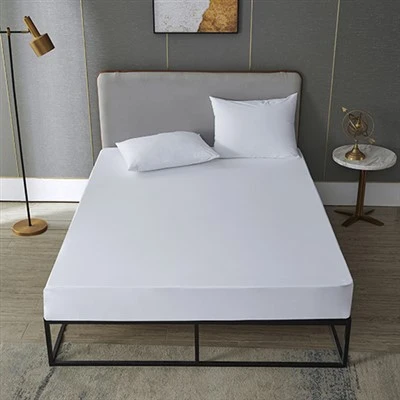
For those of you who are looking for a new down quilt, too—we craft ours with ethically sourced down, durable but soft fabric covers, and clear care instructions right on the label, because we want our quilts to be easy to care for. If you have any other questions about washing, or anything about down quilts in general, feel free to reach out. Whether you need tips for your current quilt or want to chat about getting a new one, we’re here to help. Just reach out to connect with our team for a procurement conversation.
Pillow Case References:
- International Down and Feather Bureau. (2021). Care and Maintenance of Down Bedding.
- Textile Institute. (2019). Best Practices for Washing and Drying Down Products.
- Consumer Reports. (2022). How to Wash Down Comforters Without Ruining Them.
Hangzhou Ruiyi Home Products Co., Ltd.
With abundant experience, we are one of the most professional down quilt manufacturers and suppliers in China. We warmly welcome you to wholesale customized down quilt at competitive price from our factory. If you have any enquiry about cooperation, please feel free to email us.
Address: BUILDING 1, NO.1757 CHENHUI ROAD, XINTANG STREET ,XIAOSHAN,HANGZHOU, ZHEJIANG,P.R. CHINA
E-mail: vivian-xu@vip.163.com
WebSite: https://www.ryhometextile.com/
