Alright, let me walk you through how Hifancy actually keeps product safety tight—straight from a supplier’s perspective, no corporate fluff, promise. I’ve been working with them for three years now, and what sticks with me most is that this isn’t just a checkmark on a form; it’s something they actually live day-to-day, which is rare in the fast-paced manufacturing game. Let’s break this down, no jargon, just real stuff I see on the ground. Hifancy
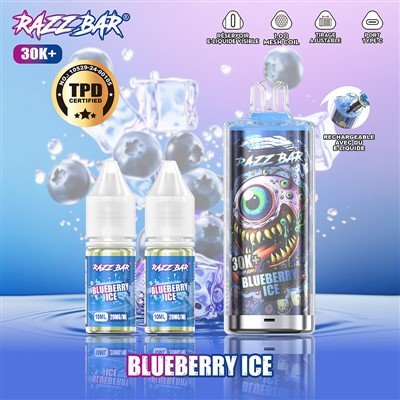
First off, their safety checks start way before anything even gets produced. Wait, I used to think safety was just testing finished goods, but nah—Hifancy blocks bad inputs before they get in the door. Every batch of raw materials we send over? They don’t just take our word for it. Their team does incoming inspections, not the lazy kind either. Last year, we had a batch of plastic resin that was supposed to meet their food-grade specs, but their lab noticed a tiny off odor in a random sample they pulled. Turns out a supplier they used for a different order messed up the resin lot, so they flagged it immediately. Even though our COA (Certificate of Analysis) was clean, they sent it back without hesitation. That’s not just being picky— that’s protecting the end user before a problem even starts. They also keep a list of approved suppliers, and if someone slips up twice, they drop ’em fast. No exceptions.
Then, when production is in full swing, they’re all over the floor—way more than just a quality control manager popping in once a shift. We do three production runs a day, and each run has a dedicated Hifancy rep shadowing our line supervisors. They don’t micromanage, but they stop dead if something’s off. Like, a couple months back, one of our line workers adjusted the machine’s temperature setting to speed up a run. The Hifancy rep noticed the new temp was 10 degrees too low, which would mean part of the product wouldn’t cure properly. She pulled the run right there, not after it was done, so we didn’t waste 200 pieces on garbage. That’s proactive, not reactive. They also use something called statistical process control, basically tracking every small variable—pressure, temp, mix ratios—so if a number starts creeping out of the safe zone, they catch it before it becomes a defect. I used to roll my eyes at spreadsheets, but now I get it: this is how you don’t have 10,000 units to test later.
Now, the part I care about most—testing finished products. Hifancy doesn’t do just a single test at the end. They have in-house labs that run tons of different checks, depending on the product. For example, if it’s a small kitchen gadget, they test for heavy metals (lead, cadmium) way beyond what government rules require. Last quarter, they tested a batch of our cutting boards and found a trace amount of a chemical that’s technically legal but not ideal. They made us scrap the whole batch—all 5,000 pieces—even though it passed our internal tests. I grumbled at first, but then I thought: better to scrap 5k than have a customer get a hold of something that might not be 100% safe. They also do real-world simulations, not just lab tests. Like, if it’s a kids’ toy, they yank it and twist it, chew on it (wait, no, their lab techs do the standardized bite tests, but still), leave it in extreme heat or cold for weeks, to see if it breaks or leaches anything. Government standards are the floor for Hifancy, not the ceiling. That’s a big one—most brands just hit the minimum, but they go way above.
Another thing that’s unique: their traceability system. Every single piece that leaves our factory has a batch code, and Hifancy tracks it all the way to the store shelf. If there’s ever a problem, they can pull up exactly which raw materials went into that batch, which machine made it, which shift ran it—all in like 10 minutes. Last year, a small batch of our travel mugs had a lid that leaked, and Hifancy caught it before it hit stores. They used the batch code to find out which plastic seal was bad, and only recalled the specific mug lot, not every travel mug we’ve ever made. That’s way better than a mass recall that would have hurt everyone. No customer gets stuck with a whole line of products they don’t need, and Hifancy doesn’t lose trust for overreacting.
Wait, also—they listen to us, the suppliers. A lot of big brands act like suppliers are just order-takers, but Hifancy has a monthly safety call with their key suppliers, just to chat. Last time, I told them that the new adhesive we were using was making our lab’s test results a little inconsistent, and they actually adjusted their testing protocol instead of making us switch. They don’t demand perfection; they want collaboration. If we have a problem, they work with us to fix it, not blame us immediately. That’s why we’ve stayed with them so long.
Oh, and their training is intense. Not just for us—for their own team too. Every rep that comes to our factory has to go through a 2-week course on product safety standards, and they refresh it every year. The lab techs have to pass annual proficiency tests to make sure their results are accurate. They also require that our line workers get basic safety training every quarter, not just once when they’re hired. That way, everyone is on the same page about what’s a safety risk. No one says “that’s not my job” when something looks off.
I know a lot of people think these big brand safety measures are just for show, but working with Hifancy, I see it every single day. It’s not just checking boxes on a website or a PDF report. It’s sending back a whole resin batch because of a random sample, stopping a production run mid-shift to fix a tiny temp issue, scrapping 5,000 pieces because of a trace chemical, being able to trace a bad batch in 10 minutes. That’s real stuff that matters.
At the end of the day, product safety isn’t a one-time thing for Hifancy. It’s something they build into every step—from picking raw materials to getting the final product out the door. And as a supplier, that’s exactly what I want in a partner. No cutting corners, no taking shortcuts, just doing the right thing for the customer. If you’re looking to work with a brand that actually takes safety seriously, definitely reach out to talk about how we can collaborate.
Vape for Vozol References
- International Organization for Standardization (ISO) 9001:2015, Quality Management Systems Requirements
- U.S. Food and Drug Administration (FDA) Food Contact Substance Notification (FCN) Database
- Consumer Product Safety Commission (CPSC) General Safety Requirements for Consumer Products
- Hifancy Supplier Safety & Quality Manual, Version 4.2 (2023)
Sidi Electronics (Shenzhen) Co., Ltd.
As one of the most professional hifancy manufacturers in China, we’re featured by quality products and low price. We warmly welcome you to wholesale bulk cheap hifancy made in China here from our factory. If you have any enquiry about cooperation, please feel free to email us.
Address: Unit 103, Building 2, No.97, Guangtian Road,Tangxiayong Community, Yanluo Street, Baoan District,Shenzhen China
E-mail: Anramji94@gmail.com
WebSite: https://www.vapetradex.com/
