If you’ve ever stood near a construction site watching an excavator work, you’ve probably stared at its bucket—focused on the big, curved part that digs up dirt, rocks, or concrete, right? But have you ever glanced at those little, sharp metal pieces sticking out along the bucket’s left and right edges? Those are side cutters, and let me tell you, when I started selling excavator buckets for a living, I totally slept on how important they are. I used to think they were just extra bits of metal to bang up on stuff, but after working with contractors every day, I get it. Side cutters aren’t a afterthought—they’re the unsung heroes that make your bucket last longer, work faster, and save you way more money than you’d think. Excavator Bucket
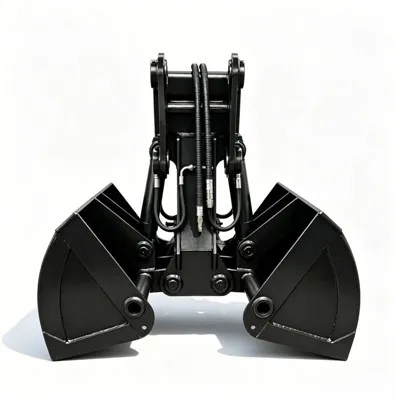
First off, let’s talk about the real job they do when digging. I’ve seen guys skip using side cutters on straight dirt, but when it comes to heavier material like compacted soil, crushed rock, or even broken concrete from a demo job, those side edges are where the cutting happens. Think about it: the main curve of the bucket is wide, so when you push it into hard ground, the corners tend to drag or skip instead of biting in. Side cutters are sharp, hardened steel (way tougher than the bucket’s main body, by the way), so they slice through the edges of the digging area first. That lets the center of the bucket slide in easier, like how you use a knife to cut the crust before slicing through the rest of a sandwich. I had a regular client last year who runs a small landscaping business—he was replacing his old buckets every 6 months because his sides were worn down so bad they’d drag instead of dig. Once we added heavy-duty side cutters to his new buckets, he told me he only has to replace them once a year, tops. That’s a huge win for him when he’s working on tight deadlines.
Next up, protection. Excavator buckets take a beating, no question. When you’re digging around rocks, scraping against concrete foundations, or even dragging the bucket along the ground to level a spot, the edges of the bucket take the most abuse. The main body of the bucket is made of thick steel, but even that can get nicked, bent, or warped if it hits a hard rock dead-on. Side cutters act like a buffer here—they’re designed to take the brunt of those impacts, not the main bucket wall. And if a side cutter does get damaged? You don’t have to replace the whole bucket. You just swap out the cutter for a new one, which is way cheaper and way faster. I can’t tell you how many times a contractor has called me panicking because their bucket’s edge is bent, only to realize it’s just the side cutter that’s dented. A quick grind and a new bolt on, and they’re back to work in an hour instead of waiting days for a whole new bucket. That’s the kind of small part that keeps jobs moving.
Wait, there’s another thing no one talks about: material retention. When you’re digging up loose dirt, gravel, or even debris from a demo, you want that stuff to stay inside the bucket, right? Side cutters create a tighter seal along the top edges of the bucket, so when you lift it and swing it to dump, less material falls out the sides. I’ve had new operators tell me they just use the main bucket edge, and they’re losing half the load before they even get to the truck bed. Once they start using buckets with side cutters, that loss is almost zero. For big jobs where you’re moving thousands of tons of material, that adds up quick. You’re not wasting time making extra trips because you’re not carrying a full load, and you’re not wasting money on extra fuel to haul that half-load. It’s crazy how much that little feature affects productivity.
I should also mention that not all side cutters are made the same. When I first started out, I sold generic side cutters that were cheap, but I learned fast that they’re a waste of money. Contractors would come back a week later saying they snapped off or wore down in two days. The good ones are made from high-grade, heat-treated steel—we use a special alloy in our side cutters that’s way more resistant to impact and abrasion. They’re also bolt-on instead of welded, which like I said earlier, makes replacing them way easier. Welded cutters might stick at first, but if they wear out too much, you have to grind them off and re-weld, which takes hours. Bolt-on ones? 10 minutes with a wrench and a new cutter is good to go. We even have different types for different jobs: there’s the standard sharp-edged cutter for digging, rounded ones for demolition so they don’t catch on rebar, and extra-long ones for digging in rocky areas where you need that extra reach.
I’ve also seen how side cutters help in tight spaces. If you’re working in a residential backyard, or a construction site where you can barely maneuver the excavator, the side cutters give you precision when you’re digging around a foundation or a tree root. The sharp edges let you cut clean lines without scraping the bucket against the foundation (which would damage both the bucket and the foundation, trust me, I’ve seen that mess) or damaging surrounding plants. That’s a big one for small contractors or guys who do specialty work, because fixing a damaged foundation or a broken tree is way more expensive than just picking the right side cutter.
Let’s get real for a second—no part of an excavator bucket lasts forever, but side cutters are the easiest to maintain. A lot of operators only check their bucket’s teeth, but the side cutters need inspecting too. If you notice they’re dull or nicked, replacing them before they get worse saves you from having to do bigger repairs down the line. I always tell my clients: “Think of side cutters like the tires on your truck. You don’t drive on bald tires if you can avoid it, right? Same with your bucket.” Dull side cutters make every dig harder, which wears out your bucket faster, uses more fuel, and makes you take longer to finish jobs. It’s a cycle that adds up to lost money if you ignore those small parts.
I’ve had a lot of new customers ask me, “Do I really need side cutters if I just dig dirt?” And my answer is always yes—even for the softest dirt, they help with material retention and keep your bucket edges from wearing out. If you’re digging rocky or concrete-heavy material, they’re non-negotiable. I had a client last month who does demolition work on old buildings. He came to me because his buckets were only lasting 3 months on demo jobs. We swapped his standard side cutters for heavy-duty, impact-resistant ones, and now his buckets are lasting almost a year. He saved thousands of dollars in replacement costs, and he hasn’t missed a single deadline since. That’s the kind of difference side cutters make.
Now, I know there’s a lot of talk about big, flashy excavator parts, but side cutters are the workhorse that no one brags about. They don’t look as cool as a new bucket with extra teeth, but they’re the reason your jobs get done on time, your equipment lasts longer, and you don’t end up throwing money away on unnecessary repairs and replacements.
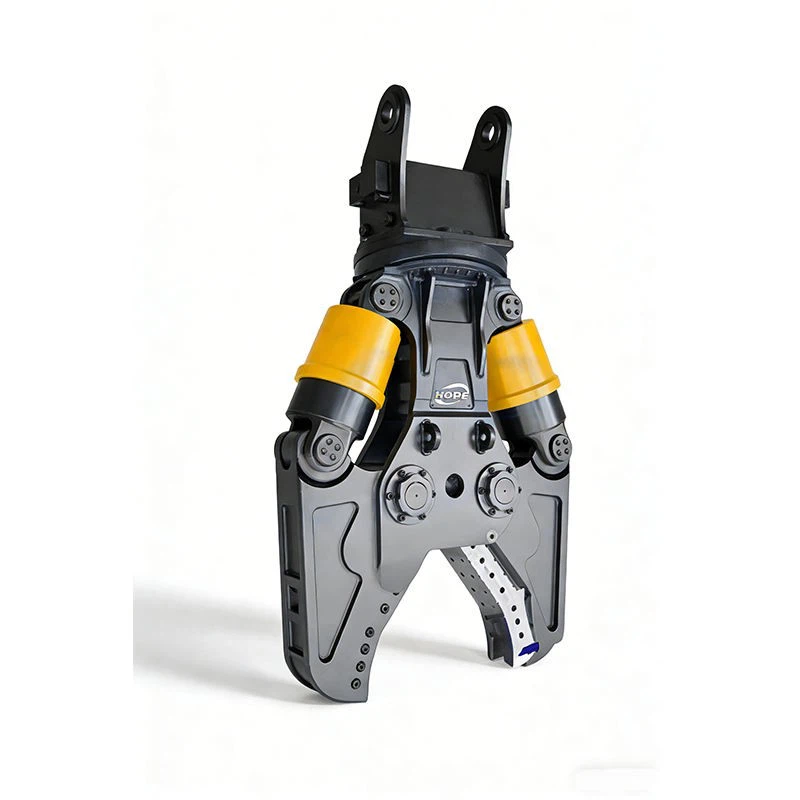
If you’re tired of replacing your excavator buckets too often, losing half your load every dig, or dealing with bent edges that slow you down, hit me up. We can talk about what kind of side cutters and buckets work best for your specific jobs—whether you’re doing landscaping, excavation, demolition, or something else. Don’t wait until your next project to upgrade; side cutters aren’t an extra expense, they’re an investment that pays for itself fast.
Excavator Attachment References:
- Caterpillar Inc. Excavator Attachment Performance Guide, 2022.
- Komatsu Ltd. Construction Equipment Bucket Design and Maintenance Manual, 2023.
- National Ready Mixed Concrete Association. Best Practices for Excavation Equipment in Construction, 2021.
- Association of Equipment Manufacturers. Attachment Functionality in Heavy Construction, 2022.
- Construction Equipment Association. Bucket Maintenance and Component Selection Guide, 2023.
Hope Precision Machinery Co., Ltd.
As one of the most professional excavator bucket manufacturers and suppliers in China, we also support customized service. Please feel free to buy high quality excavator bucket for sale here from our factory. For more information, contact us now.
Address: No.8 Shenzhen Street, Development Zone, Yantai,Shandong ,China
E-mail: lulu@hope-breaker.com
WebSite: https://www.hopeequip.com/
