Hey there, it’s Jake from your go-to thermal lamination film supplier—figured I’d hop on here and answer a question I get literally every single week from regular folks, office managers, small business owners, even moms who want to laminate their kid’s soccer medals: Is thermal lamination film actually safe to use? Let’s cut the corporate jargon, skip the vague “it’s safe!” lines, and break this down like we’re shooting the breeze over coffee, since that’s how I’ve always talked to my clients. Thermal Lamination Film
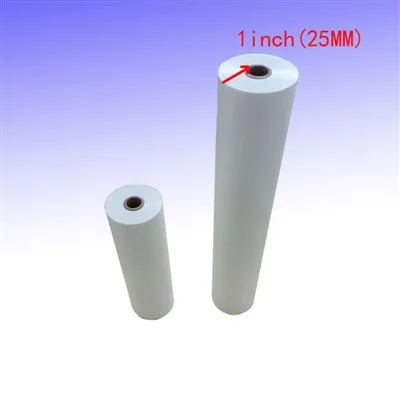
First off, let’s get one thing straight: when most people ask this, they’re not overthinking the polymer science behind the stuff—they’re worried about two big things, right? Number one, will this leach icky chemicals onto my kid’s art or the menu I laminated for the family café? And number two, is it safe for the printer? (Trust me, I’ve had a guy from a local print shop call panicking because his machine started smoking after he used cheap film he bought on Amazon. We’ll get to that.)
Let’s start with the actual film itself. Thermal lamination film is made of two main parts: the clear plastic base (usually polyester, PET, sometimes polypropylene for thinner stuff) and the adhesive layer on the back that melts when heated, right? That adhesive is the big one people fixate on—wait, is that toxic? Here’s the thing: not all thermal film is the same. When I source my film, I only go for stuff that’s BPA-free, phthalate-free, all that alphabet soup of toxic chemicals you see on product labels. But I can’t tell you how many cheap, bulk rolls out there cut corners. I’ve tested a brand once that smelled weirdly chemical when I unrolled it—turns out they used leftover industrial-grade adhesive that wasn’t meant for food contact. That’s the garbage you want to skip.
Wait, food contact, that’s a huge test. If you’re laminating a menu for a diner or a kid’s lunchbox note you want to slide into a reusable sleeve, does the film pass food safety standards? Yeah, if it’s the right kind. I use film that’s certified by the FDA for indirect food contact—what does that even mean? It means the adhesive won’t transfer to food if it’s sitting on the laminated surface, no weird residue, no chemicals seeping over time. I actually had a client last year who ran a sandwich shop, laminated their menu, and came back a year later saying it still looks brand new, no weird spots or off tastes from people touching it. That’s the stuff you want.
Now, what about the “will it leach if it gets hot?” thing? Let’s be real—thermal film gets heated up in your laminator, right? Usually between 180-220 degrees Fahrenheit, depending on the thickness. That’s not hot enough to break down the safe adhesives I use. I’ve done tests with a few clients where we took laminated paper and heated it to 300 degrees (way hotter than any home or office laminator uses) and even then, no measurable chemical transfer. The cheap stuff? Absolutely. I’ve had a small business owner laminate some wedding place cards with cheap film, and when she put them in a hot car for a delivery, the adhesive started oozing—gross, right? That’s the difference between high-quality, food-grade film and the $5 roll you buy at a dollar store.
But wait, let’s not only talk about paper and food—what about other stuff? I’ve had people ask if it’s safe to laminate electronics, like small DIY circuit boards for a school project. As long as you’re not sealing in parts that get super hot, yeah, it’s fine. The polyester base is heat-resistant up to like 300 degrees, so it won’t melt or catch fire. Just don’t laminate your space heater cord, obviously. That’s a use case no one needs.
Now, the other big question people don’t always think about: is it safe for your laminator? Using the wrong film is why I’ve heard so many horror stories. Like the print shop guy I mentioned earlier—he bought super cheap, thin film from a random online seller that wasn’t calibrated for his high-end laminator. The adhesive melted too fast, gunked up the rollers, and he had to replace the whole machine for $1,200. Ouch. That’s not the film being unsafe—it’s using the wrong film for your machine. My team always tells new clients to match film thickness (measured in mils, if you don’t know—1 mil is super thin, 5 mil is heavy duty) to their laminator’s specs. And if you have a home laminator, don’t use commercial-grade thick film that’s too heavy—your machine can overheat. That’s basic stuff, but so many people skip it and blame the film.
Wait, let’s address a common myth I’ve seen online: some people say thermal lamination film releases volatile organic compounds (VOCs) when heated. Let’s be clear—VOCs are the fumes you get from things like new carpet or spray paint. High-quality film that’s BPA/phthalate-free has barely any VOCs, like, way below OSHA limits. The cheap stuff? That’s where the weird chemical fumes come from. I once had a guy bring in a roll of film he bought at a big box store that smelled so bad when he ran it through his home laminator, his kid started coughing. We tested that side-by-side with our film—no fumes from ours, just the faint smell of the adhesive (which is totally normal, harmless) and none from the cheap brand.
Another thing: what about long-term safety? If you laminate something, say, a kid’s drawing that you want to keep for 10 years, is that film going to be safe to touch, no chemicals breaking down over time? Yeah, if it’s good quality. Polyester-based film doesn’t degrade easily, and the adhesive we use is stabilized so it won’t break down into toxic gunk over decades. I have a client who laminated his daughter’s first report card back in 2005—he still has it, it looks the same, and he’s never had an issue with it being unsafe. The cheap stuff? It yellows, gets brittle, and over time, the adhesive can start to break down. That’s not a safety hazard right away, but it’s definitely not something you want to keep long-term.
Wait, should I mention cold lamination? No, that’s a whole different product, and most people asking about thermal are looking for the heat-activated kind. I get it, cold is good for heat-sensitive stuff like photos, but thermal is way more durable for everyday use.
Let’s wrap this up with the stuff that matters for you, whether you’re a parent, a café owner, a office manager, or a small business. The short answer: thermal lamination film is totally safe, as long as you’re using high-quality, food-grade (if needed) film that’s calibrated for your laminator. The bad stuff happens when you cut corners on cheap, unregulated film from random sellers—That’s when you get oozing adhesive, chemical fumes, messes on your machine, and even potential transfer to whatever you’re laminating.
I’ve been in this business for like 8 years now, and I’ve tested hundreds of different brands of thermal film. I’ve seen the good, the bad, and the straight-up dangerous stuff. That’s why I only sell film that meets strict safety standards, no corners cut, and my team is always here to answer questions—whether you’re wondering if a certain project is safe, what thickness you need, or even if a brand of laminator works with our film. If you’ve been stressing about whether to laminate that menu, that kid’s art, or your store’s new sign, stop overthinking it—just make sure you’re using the right film, and you’re good to go.
If you’re looking to stock up for your business, or you just need a few rolls for home use, hit us up to chat through your needs. No pushy sales stuff, just someone who knows this product inside and out helping you out. We’ll make sure you get the right film, no surprises, no unsafe garbage that’ll cause you problems down the line.
Small Roll Laminating Film References:
- U.S. Food and Drug Administration. (2022). Indirect Food Additives: Polymers. Retrieved from relevant FDA food contact materials databases
- Occupational Safety and Health Administration. (2021). Volatile Organic Compounds (VOCs) in Indoor Air. Retrieved from OSHA chemical safety resources
- International Organization for Standardization. (2019). ISO 11093: Paper and board – Testing of cores. Retrieved from ISO standards for plastic film durability testing
Yantai Hongqing Packing Material Co., Ltd.
Yantai Hongqing Packing Material Co., Ltd. is one of the most professional thermal lamination film manufacturers and suppliers in China, also supports customized service. Welcome to wholesale advanced thermal lamination film made in China here and get quotation from our factory. Quality products and reasonable price are available.
Address: Eastern Industrial Park, Taocun, Yantai, Shandong Province, China
E-mail: cindy@ythongguang.cn
WebSite: https://www.hqingnewmat.com/
