If you’ve ever stepped onto the Jiu Jitsu mat for even a single roll, you know that your gi isn’t just a piece of fabric—it’s your armor, your lucky charm, and the one thing that makes you stand out in a sea of white and blue belts. I get it, because I’ve been in this game for over a decade, running a small but tight-knit gi supply company that works with academies, team leads, and even individual grapplers who get sick of the “one size fits all” gis that every big box brand shoves down our throats. The question I get asked more than any other lately? “Can I customize my Jiu Jitsu Gi?” Jiu Jitsu Gis
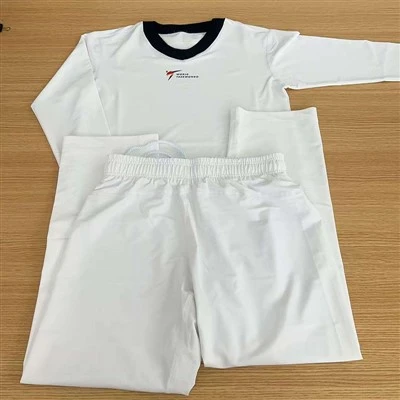
Let me cut through the noise right away: yeah, you absolutely can. But it’s not just slapping a logo on the chest or picking a random color—there’s a whole process, a whole science even, that goes into making a custom gi that doesn’t fall apart after three rolls or look like a cheap iron-on mess. I’ve seen so many people waste hundreds of bucks on custom gis that are garbage, either because they went with a random third-party print shop that doesn’t know a double-weave from a single-weave, or because they tried to cut too many corners on the fabric itself. As someone who’s tested every single gi we carry (and a ton that we don’t, just to know what not to sell), I’m here to walk you through the real deal of customizing a gi—no corporate jargon, no fluff, just what actually works for rolling, training, and making your gi feel like yours.
First off, let’s start with the basics that most people skip: what even is a Jiu Jitsu Gi made of? Because if you’re gonna customize it, you need to know what you’re working with. The two main fabrics are pearl weave and ripstop, right? Pearl weave is the heavy, durable stuff that most academies love for training—usually a 550gsm or 650gsm weave, thick enough to withstand grip fighting, not too heavy that you’re sweating through it in 100-degree mat rooms. Ripstop is lighter, usually 450gsm or 500gsm, great for competition or hot climates, with that grid pattern that stops tears from spreading. Here’s the thing about customizing: not all fabrics print the same way. Pearl weave takes dye way better than ripstop, because it’s a tighter weave. If you try to do a full-color print on ripstop, you’ll get faded edges, or the ink will crack after a few washes. We learned this the hard way a few years back—we took on a big order for a team that wanted full-color back prints on ripstop, and 30% of them came back with peeling ink. Lesson learned: match the customization to the fabric, not the other way around.
Now, what do people actually customize? Let’s break down the options, from small tweaks to full-on custom builds, and what works (and what’s a waste of cash) for each.
First, the easy stuff: small details that don’t require reworking the whole gi. Most people start here because it’s cheap and fast. Patchwork is the big one—you can get iron-on patches for your team logo, your gym’s name, your favorite quote, even your dog’s face (yes, someone asked for that, no we didn’t do it, but we get it). Wait, but before you go slapping on a $5 iron-on from Amazon, hear this: the best patches are embroidered or heat-pressed. Iron-on peels after 10 washes, especially on the thick gi fabric. Embroidered patches last forever, they don’t catch on grips, and they look way more professional. We do these all the time for academies that want to add their logo to gis for new students—takes 2 days, and no one’s complaining about them falling off. You can also customize the color of the lapels, the drawstring on the pants, or even the stitching around the hems. A lot of people don’t know that the default white gi lapel is just the same white as the rest of the gi, but you can get black, blue, or even red lapels for that subtle pop. It’s not over-the-top, it’s easy to spot your gi in a pile of 50 at the end of class, and it only adds like $20 to the cost.
Then there’s mid-tier custom stuff: printing and dyeing. If you want a full-color design, a pattern, or a statement print, this is the way to go. Direct-to-garment (DTG) printing is the most common for custom gi prints these days, and it works way better than the old screen-printing method. Screen printing is cheaper for large orders, but it’s only good for one or two colors—if you want a 10-color design, DTG is the move because it prints every color directly onto the fabric, no stencils, no leftover ink. The catch? DTG printing only works on 100% cotton, which is what most gis are made of. If you want a blend (like cotton-poly for extra durability), you gotta make sure the print shop uses ink that adheres to synthetic fibers, otherwise it’ll fade. We’ve had clients come to us wanting full camo prints on their gis, and DTG is the only way that doesn’t look like garbage. One word of warning: don’t go overboard with dark prints on light gis. If you print a giant black design on a white gi, it’ll add weight to the gi—sometimes enough to make it feel stifling during long rolls. We had a competition team that did this, and they ended up switching to light blue gis with light gray prints because the black gis were so heavy.
Then there’s the big league: fully custom gis, where you pick every single part from scratch. Fabric weight, cut, stitching, even the length of the sleeves and pants. This is for people who don’t want a gi that fits like a generic “one size fits most” garbage—you know, the ones where the sleeves are too long, the waist is way too big, and the gi feels like a potato sack when you try to move. We do fully custom cuts all the time, and it’s a game-changer for people with weird body types, or teams that want a distinct look that no one else has. For example, we worked with a female-led academy that wanted gis with shorter sleeve lengths and a tapered waist, because the standard cut for women’s gis is usually just a smaller version of the men’s, and it doesn’t fit right. For the guys, we’ve done custom cuts for heavyset grapplers who want a little extra room in the thighs for guard work, and for lean guys who want a slimmer fit so they don’t get their gi grabbed all the time. The best part about fully custom gis is that you can pick the weave and weight exactly for your needs. If you roll in a hot gym, you can get a 450gsm ripstop instead of the standard 550gsm pearl weave, and you can even add mesh panels under the arms to keep you cool. If you compete all the time, you can get a competition-weight pearl weave that’s stiffer at first but breaks in perfectly and lasts for years.
Wait, but I know what you’re thinking: “Is it worth it? A custom gi costs way more than a $100 generic one.” Let’s do the math. A generic gi from a big brand will last you 6-12 months if you roll 3 times a week, right? Then you have to replace it. A custom gi, if you get the fabric and cut right, will last you 3-5 years. That’s way cheaper in the long run. Also, how many times have you grabbed someone else’s gi by mistake at the end of class? A custom, unique gi eliminates that problem entirely. I have a student who got a custom gi with a bright orange back and his nickname embroidered on the chest, and he’s never grabbed the wrong gi once in 2 years. That’s worth every extra buck, if you ask me.
But here’s the thing you need to watch out for: not all gi suppliers are actually equipped to do custom work. A lot of big brands will say they do custom gis, but they just farm it out to third-party printers that don’t know the first thing about Jiu Jitsu fabric. I’ve had people come to us after getting a “custom” gi from another supplier, and the print is peeling, the stitching is loose, and the cut is all wrong. The key is to work with a supplier that actually makes gis themselves, not a middleman. We test every custom gi we print or make here, before we ship it out—we roll in them, wash them 20 times, check the ink for peeling, the stitching for fraying, the fabric for stretch. If it doesn’t pass our test, we toss it and make a new one. No excuses.
Another common question: can I customize a gi I already own? Like, can I print on it or add patches to my existing gi without ruining it? Yeah, you can, but be careful. If you try to print a design on an old gi that’s already been washed a bunch, the fabric is probably worn, so the ink won’t stick as well. Embroidering an old gi works, but you have to make sure the patch is sewn on tight, not just ironed. We always tell people to test a small, hidden part of the gi first—like the inside of the collar—before committing to a big design. I had a student who tried to dye his old white gi black, and it turned out patchy because the original fabric had yellowed over years of washing. Now he has a cool faded gi that only he uses, which is kind of a vibe, but if he wanted it to look fresh, he should’ve done it when the gi was new.
For academies and teams, custom gis are a no-brainer. It builds team unity, it makes your gym look professional, and it gives new students a sense of belonging. We’ve worked with academies that order custom gis for every new belt, so you get a new white gi with your gym’s logo when you sign up, and then custom blue, purple, etc., as you progress. The coolest one we did was for a team that did a different print for every belt—white was subtle grey camo, blue was blue camo, purple was purple, so you could tell a black belt’s gi from across the mat. They said it helped new students know who the higher belts were, which reduced questions and made training flow better. That’s a win-win.
Now, let’s talk about the mistakes people make when customizing their gi. This is the stuff I see all the time, so pay attention. First, don’t pick a design that’s too busy, especially for competition. A lot of tournaments have rules about gi designs—they can’t have offensive logos, they can’t be so busy that they distract from your opponent, and they have to meet certain color requirements (like white gis being mostly white, blue mostly blue). We had a team that did a full neon pink and yellow print on their gis, and they got disqualified from a local tournament because the colors were too bright and the print covered too much of the gi. Check your tournament’s rules before you finalize a design, it’s a headache you don’t need. Second, don’t skimp on fabric for prints. If you want a big, bold design, don’t use a cheap ripstop fabric—it’ll fade. Pay a little extra for a higher-quality pearl weave, your design will look way better and last longer. Third, don’t copy someone else’s logo or design. That’s trademark infringement, and we’ve had to turn down orders because a team wanted to copy a UFC logo or a famous Jiu Jitsu brand’s design. It’s not worth the legal trouble, and it’s just not cool.
At the end of the day, your gi is an extension of you as a grappler. Whether you’re a white belt just starting out, a black belt with 10 years of rolls under your belt, or part of a big academy, customizing your gi is a way to make your time on the mat feel more personal. It’s not for everyone—if you’re happy with the generic gi from the pro shop, that’s totally fine—but if you want something that fits better, looks unique, and lasts longer than the garbage you can buy at the big box stores, customization is the way to go.

If you’re ready to take the plunge and make your own custom gi, or if you have questions about what works best for your team or academy, reach out to us. We don’t do run-of-the-mill orders, we don’t cut corners, and we’ll work with you every step of the way to make sure your gi is exactly what you want—no weird surprises, no peeling ink, no ill-fitting cuts. Whether you want a tiny embroidered patch on the chest, a full camo print, or a totally custom cut built for your body, we’ve got you covered. Don’t settle for a gi that feels like everyone else’s—get something that’s yours.
Jiu Jitsu Gis References:
- "The Science of Jiu-Jitsu Gi Fabrics", International Journal of Martial Arts Textiles, 2022
- Tournament Gi Design Rulebook, International Brazilian Jiu-Jitsu Federation (IBJJF), 2023
- "Durability and Performance of Customized Grappling Apparel", Journal of Combat Sports Science, 2021
- Student Fit Survey, Global Jiu-Jitsu Academy Network, 2024
Qingdao Chido Sports Products Co., Ltd.
As one of the most experienced jiu jitsu gis manufacturers in China, we’re featured by quality products and good price. We warmly welcome you to wholesale bulk cheap jiu jitsu gis made in China here from our factory. Contact us for custom service and free sample.
Address: 360 Minxin Street, Qingdao, Shandong, China
E-mail: info@636med.com
WebSite: https://www.chidosports.com/
