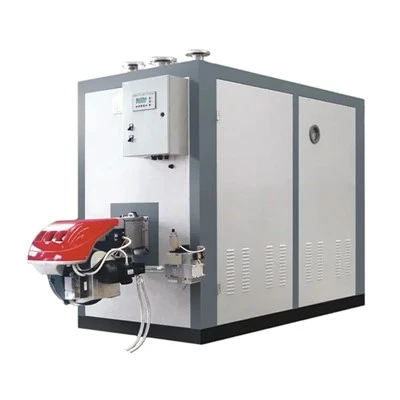
High gas pressure in a gas hot water boiler can be a concerning issue that not only affects the efficiency of the boiler but also poses potential safety risks. As a professional gas hot water boiler supplier, I understand the importance of addressing this problem promptly and correctly. In this blog, I’ll share some insights on what to do if you encounter high gas pressure in your gas hot water boiler. Gas Hot Water Boiler
Understanding the Dangers of High Gas Pressure
Before diving into the solutions, it’s crucial to recognize why high gas pressure is a problem. Excessive gas pressure can lead to a variety of issues. Firstly, it can cause the boiler to operate inefficiently. The boiler may overheat, leading to increased energy consumption and higher utility bills. Moreover, high pressure can put excessive stress on the boiler’s components, such as the burner, valves, and heat exchanger. This can accelerate wear and tear, leading to more frequent breakdowns and costly repairs.
From a safety perspective, high gas pressure is even more concerning. It can increase the risk of gas leaks, which are not only flammable but can also be toxic if inhaled. In extreme cases, a build – up of excessive pressure can cause the boiler to explode, endangering the lives of those in the vicinity and causing significant property damage.
Check the Gas Supply System
The first step when you suspect high gas pressure in your gas hot water boiler is to examine the gas supply system. This includes the gas pipeline leading to the boiler, the shut – off valve, and the pressure regulator.
- Inspect the Gas Pipeline: Look for any signs of damage, such as corrosion, leaks, or kinks. A damaged pipeline can cause irregular gas flow and potentially lead to high pressure. If you notice any issues with the pipeline, it’s essential to replace or repair it immediately.
- Check the Shut – Off Valve: Ensure that the shut – off valve is fully open. A partially closed valve can disrupt the normal flow of gas and cause pressure fluctuations. However, if the shut – off valve is open and you still experience high pressure, the problem may lie elsewhere.
- Examine the Pressure Regulator: The pressure regulator is a critical component that controls the gas pressure entering the boiler. It’s designed to maintain a consistent and safe pressure level. Over time, the regulator can malfunction due to wear and tear, damage, or blockages. You can perform a basic check by looking for any visible signs of damage or debris. If you suspect that the pressure regulator is faulty, it should be replaced by a qualified technician.
Conduct a Boiler Pressure Test
To accurately diagnose the problem, it’s necessary to conduct a pressure test on the boiler. This test will help you determine the exact gas pressure inside the boiler and whether it is within the safe operating range.
- Use a Pressure Gauge: Attach a reliable pressure gauge to the appropriate connection point on the boiler. Make sure the gauge is compatible with the type of boiler you have and is calibrated correctly.
- Record the Pressure Reading: Once the pressure gauge is attached, turn on the boiler and let it reach its normal operating state. Then, record the pressure reading on the gauge. Compare this reading with the manufacturer’s recommended pressure range. If the reading is significantly higher than the recommended range, it confirms that the gas pressure is too high.
Adjust the Gas Pressure
If the pressure test reveals that the gas pressure is indeed too high, you may need to adjust it. However, this should only be done by a qualified professional.
- Call a Licensed Technician: Attempting to adjust the gas pressure on your own can be extremely dangerous. A licensed technician has the knowledge, skills, and tools to safely adjust the gas pressure. They will use specialized equipment to make precise adjustments to the pressure regulator or other relevant components.
- Follow Manufacturer’s Instructions: The technician will follow the manufacturer’s instructions to ensure that the gas pressure is adjusted to the correct level. Different boiler models may have different procedures for adjusting the gas pressure, so it’s essential to follow the specific guidelines provided by the manufacturer.
Maintain Regular Boiler Maintenance
Preventing high gas pressure issues is often better than dealing with them after they occur. Regular boiler maintenance is crucial for keeping your gas hot water boiler in good working condition.
- Schedule Annual Inspections: Have a qualified technician inspect your boiler at least once a year. During the inspection, the technician will check all the components of the boiler, including the gas supply system, for any signs of wear, damage, or malfunction. They will also perform a pressure test to ensure that the gas pressure is within the safe range.
- Clean and Service the Boiler: Regular cleaning and servicing of the boiler can prevent the build – up of dirt, debris, and sediment, which can affect the performance and safety of the boiler. The technician will clean the burner, heat exchanger, and other components and replace any worn – out parts as needed.
Educate the Boiler Operators
If you are a commercial user or have multiple boilers, it’s important to educate the boiler operators about the risks of high gas pressure and the proper procedures for operating the boiler.
- Provide Training: Offer training programs to the boiler operators to ensure that they understand how to operate the boiler safely and efficiently. The training should cover topics such as how to monitor the gas pressure, what to do if they notice an abnormal pressure reading, and how to perform basic maintenance tasks.
- Display Safety Instructions: Post clear safety instructions near the boiler area to remind the operators of the proper procedures. The instructions should include information on how to shut off the gas supply in case of an emergency.
When to Replace the Boiler

In some cases, high gas pressure issues may be a sign of a more serious underlying problem with the boiler. If the boiler is old, damaged beyond repair, or has been experiencing frequent problems, it may be time to consider replacing it.
- Evaluate the Boiler’s Age and Condition: If the boiler is more than 15 – 20 years old, it may be approaching the end of its useful life. Older boilers are more likely to experience problems, including high gas pressure issues. A professional technician can evaluate the condition of the boiler and recommend whether it should be replaced.
- Consider Energy Efficiency: Newer boilers are generally more energy – efficient than older models. Replacing an old, inefficient boiler with a new, high – efficiency model can not only solve the high gas pressure problem but also save you money on energy costs in the long run.
LNG Storage Tank As a gas hot water boiler supplier, we are committed to providing you with high – quality boilers and excellent after – sales service. If you are experiencing high gas pressure or any other issues with your boiler, don’t hesitate to contact us. We have a team of experienced technicians who can help you diagnose and solve the problem. Whether you need a simple adjustment, a replacement part, or a new boiler, we can provide you with the best solution tailored to your needs. Let’s work together to ensure the safe and efficient operation of your gas hot water boiler. Contact us today to start a discussion about your boiler needs.
References
- "Guide to Gas Boiler Maintenance and Safety", National Gas Safety Association
- "Technical Manual for Gas Hot Water Boilers", Industry Boiler Manufacturers’ Consortium
- "Gas Pressure Regulation in Boiler Systems", Journal of Boiler Technology
Xinxiang Huayuan Container Equipment Co., Ltd.
With abundant experience, we are one of the most reliable gas hot water boiler manufacturers and suppliers in China. We warmly welcome you to buy durable gas hot water boiler made in China here from our factory. If you have any enquiry about cooperation, please feel free to email us.
Address: No.2, South Road, Industrial Cluster Zone, Genghuang Township, Fengquan District, Xinxiang City, Henan Province
E-mail: cncd527@gmail.com
WebSite: https://www.huayuanequipment.com/
