Can an Industrial Cooling Unit be used in a marine environment?
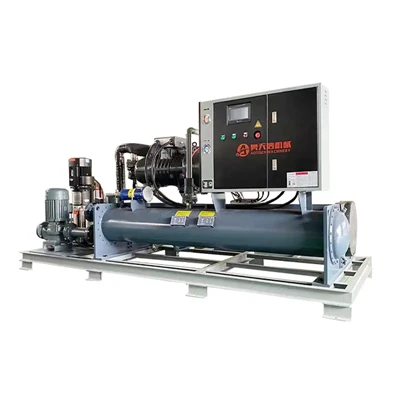
As a supplier of industrial cooling units, I often encounter inquiries from clients in various industries about the suitability of our products for specific environments. One question that comes up frequently is whether an industrial cooling unit can be used in a marine environment. This is a crucial consideration for many sectors, such as offshore oil and gas platforms, marine research vessels, and fishing fleets, where maintaining proper temperature control is essential for equipment operation and crew comfort. Industrial Cooling Unit
Understanding the Marine Environment
The marine environment presents a unique set of challenges that are quite different from those found in standard industrial settings. The most notable factor is the high level of humidity and salt content in the air. Saltwater is highly corrosive, and when it combines with moisture, it can accelerate the corrosion process of metal components. This can lead to structural damage, leakage, and ultimately, failure of the cooling unit.
In addition to corrosion, the marine environment is also subject to harsh weather conditions, including strong winds, heavy rain, and large waves. These conditions can cause physical damage to the cooling unit, such as bending or breaking of external components. Moreover, the constant movement of ships and offshore platforms due to waves and currents can put additional stress on the equipment, potentially leading to mechanical failures.
Adaptations Required for Industrial Cooling Units in Marine Environments
To ensure the reliable operation of industrial cooling units in a marine environment, several adaptations are necessary.
Corrosion Resistance
The first and most critical adaptation is to enhance the corrosion resistance of the cooling unit. This can be achieved through the use of corrosion – resistant materials and protective coatings. For example, stainless steel is a popular choice for the construction of the unit’s frame and some internal components, as it has excellent resistance to saltwater corrosion. Additionally, applying a special anti – corrosion coating on the external surface of the unit can provide an extra layer of protection.
Sealing and Enclosure
Proper sealing is essential to prevent the ingress of saltwater, moisture, and dust into the cooling unit. All openings, such as cable entries and access panels, should be sealed with high – quality gaskets. The unit should also be enclosed in a robust and weather – tight housing to protect it from the elements. This enclosure should be designed to withstand the impact of waves and strong winds.
Vibration and Shock Resistance
Since marine vessels and platforms are constantly in motion, the cooling unit needs to be designed to withstand vibration and shock. This can be achieved through the use of flexible mounts and shock – absorbing materials. These components can help isolate the internal parts of the unit from the external vibrations, reducing the risk of mechanical damage.
Electrical System Protection
The electrical system of the cooling unit is particularly vulnerable in a marine environment. Saltwater can cause short – circuits and electrical malfunctions. To prevent this, all electrical components should be properly insulated and protected. Waterproof connectors and enclosures should be used to ensure the safety and reliability of the electrical system.
Case Studies: Successful Use of Industrial Cooling Units in Marine Environments
There are numerous examples of industrial cooling units being successfully used in marine applications. For instance, on offshore oil and gas platforms, cooling units are used to maintain the temperature of critical equipment such as generators and control systems. These units are designed to withstand the harsh marine environment, with corrosion – resistant materials and robust enclosures.
In the fishing industry, cooling units are used to preserve the catch on board. These units are often installed in insulated holds and are designed to operate continuously in a high – humidity and salt – laden environment. By using the right adaptations, these cooling units can effectively maintain the required temperature, ensuring the quality of the fish.
Benefits of Using Industrial Cooling Units in Marine Environments
Despite the challenges, there are several benefits to using industrial cooling units in marine environments.
Equipment Protection
Proper temperature control is crucial for the reliable operation of equipment on ships and offshore platforms. Many electronic and mechanical components can overheat in a marine environment, leading to reduced performance and increased maintenance costs. An industrial cooling unit can help maintain the optimal temperature, extending the lifespan of the equipment.
Crew Comfort
In addition to equipment protection, industrial cooling units can also improve the comfort of the crew. The marine environment can be hot and humid, especially in tropical regions. A well – functioning cooling unit can create a more comfortable living and working environment, which can enhance the crew’s productivity and well – being.
Considerations for Purchasing an Industrial Cooling Unit for Marine Use
When purchasing an industrial cooling unit for marine use, there are several factors that buyers should consider.
Capacity
The cooling capacity of the unit should be carefully calculated based on the specific requirements of the application. This includes the size of the space to be cooled, the heat load generated by the equipment, and the ambient temperature and humidity in the marine environment.
Certification
It is important to ensure that the cooling unit meets relevant international standards and certifications for marine use. These certifications ensure that the unit has been tested and approved for use in the harsh marine environment.
Maintenance and Support
Regular maintenance is essential for the long – term performance of the cooling unit. Buyers should consider the availability of spare parts and maintenance services in the marine environment. A reliable supplier should be able to provide comprehensive support, including installation, commissioning, and after – sales service.
Conclusion
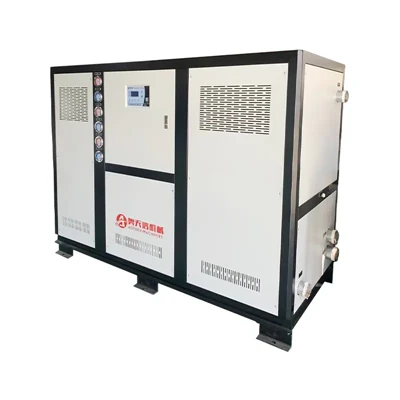
In conclusion, an industrial cooling unit can be used in a marine environment, but it requires specific adaptations to withstand the unique challenges presented by this environment. By using corrosion – resistant materials, proper sealing, vibration and shock resistance, and electrical system protection, industrial cooling units can operate reliably and effectively in marine applications.
Industrial Air Cooler If you are in the market for an industrial cooling unit for your marine project, I encourage you to reach out to us. Our team of experts can help you select the most suitable cooling solution based on your specific requirements. We have extensive experience in providing high – quality industrial cooling units for a wide range of marine applications, and we are committed to delivering the best products and services to our customers. Contact us today to start a conversation about your cooling needs.
References
- "Marine Engineering Handbook", Elsevier, various editions
- "Corrosion in Marine Environments: Causes, Prevention, and Control", ASM International
- Industry reports on marine equipment and cooling systems from market research firms.
Kunshan Aotianxin Machinery Co., Ltd.
We’re well-known as one of the most reliable industrial cooling unit manufacturers in China. With abundant experience, our factory offer high quality industrial cooling unit made in China with low price. If you have any enquiry about quotation and free sample, please feel free to email us.
Address: 550 Shengguang Road, Bacheng Town, Kunshan City, Jiangsu Province
E-mail: 1516722561@qq.com
WebSite: https://www.atxks.com/
