Slitting lines are commonly associated with the processing of metallic materials, but the question of whether they can be used for cutting non-metallic materials is an interesting one. As a supplier of slitting lines, I’ve encountered numerous inquiries regarding the versatility of our equipment. In this blog, I’ll explore the feasibility of using slitting lines for non-metallic materials, discuss the challenges and opportunities, and provide insights based on our experience in the industry. Slitting Lines

Understanding Slitting Lines
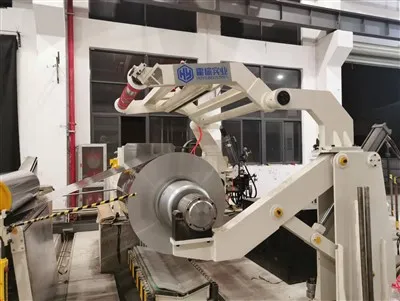
Before delving into the topic of cutting non-metallic materials, it’s essential to understand what slitting lines are and how they work. A slitting line is a machine used to cut large coils of material into narrower strips. The process involves unwinding the coil, passing it through a series of cutting blades, and rewinding the resulting strips onto separate spools. Slitting lines are widely used in various industries, including metal fabrication, automotive, and packaging, to produce precise and consistent strips of material.
Can Slitting Lines Cut Non-Metallic Materials?
The short answer is yes, slitting lines can be used to cut non-metallic materials. However, the feasibility of using slitting lines for non-metallic materials depends on several factors, including the type of material, its thickness, and the specific requirements of the application.
Types of Non-Metallic Materials
There are many types of non-metallic materials that can be cut using slitting lines, including:
- Plastics: Polyethylene, polypropylene, PVC, and other plastic materials are commonly used in various industries and can be easily cut using slitting lines.
- Paper and Cardboard: Paper and cardboard are widely used in packaging and printing applications and can be slit into narrow strips using slitting lines.
- Textiles: Fabrics, carpets, and other textile materials can also be cut using slitting lines, although special considerations may be required to ensure a clean and precise cut.
- Rubber and Foam: Rubber and foam materials are used in a variety of applications, including gaskets, seals, and insulation, and can be slit using slitting lines.
Challenges and Considerations
While slitting lines can be used to cut non-metallic materials, there are several challenges and considerations that need to be taken into account:
- Material Properties: Non-metallic materials have different properties than metallic materials, such as flexibility, elasticity, and brittleness. These properties can affect the cutting process and require special considerations to ensure a clean and precise cut.
- Cutting Blades: The type of cutting blades used in slitting lines can have a significant impact on the quality of the cut. For non-metallic materials, special blades may be required to ensure a clean and precise cut without causing damage to the material.
- Tension Control: Non-metallic materials are often more flexible than metallic materials, which can make it challenging to maintain consistent tension during the cutting process. Proper tension control is essential to ensure a clean and precise cut.
- Dust and Debris: Cutting non-metallic materials can generate dust and debris, which can pose a health hazard and damage the equipment. Proper ventilation and dust collection systems are essential to ensure a safe and clean working environment.
Applications of Slitting Lines for Non-Metallic Materials
Despite the challenges, slitting lines are widely used in various industries to cut non-metallic materials. Some common applications of slitting lines for non-metallic materials include:
- Packaging: Slitting lines are used to cut plastic films, paper, and cardboard into narrow strips for packaging applications.
- Textiles: Slitting lines are used to cut fabrics, carpets, and other textile materials into narrow strips for various applications, such as clothing, upholstery, and automotive interiors.
- Printing: Slitting lines are used to cut paper and cardboard into narrow strips for printing applications, such as labels, tags, and brochures.
- Gaskets and Seals: Slitting lines are used to cut rubber and foam materials into narrow strips for gaskets and seals used in various industries, such as automotive, aerospace, and manufacturing.
Our Experience as a Slitting Lines Supplier
As a supplier of slitting lines, we have extensive experience in cutting both metallic and non-metallic materials. We understand the challenges and considerations involved in cutting non-metallic materials and have developed solutions to overcome these challenges.
- Customized Solutions: We offer customized slitting lines that are designed to meet the specific requirements of our customers. Our slitting lines can be configured to cut a wide range of non-metallic materials, including plastics, paper, textiles, rubber, and foam.
- Advanced Technology: We use advanced technology and equipment to ensure a clean and precise cut. Our slitting lines are equipped with high-quality cutting blades, tension control systems, and dust collection systems to ensure a safe and efficient cutting process.
- Technical Support: We provide technical support and training to our customers to ensure that they can operate our slitting lines safely and effectively. Our team of experts is available to answer any questions and provide assistance with installation, maintenance, and troubleshooting.
Conclusion
In conclusion, slitting lines can be used to cut non-metallic materials, but the feasibility of using slitting lines for non-metallic materials depends on several factors, including the type of material, its thickness, and the specific requirements of the application. While there are challenges and considerations involved in cutting non-metallic materials, slitting lines are widely used in various industries to cut non-metallic materials. As a supplier of slitting lines, we have extensive experience in cutting both metallic and non-metallic materials and offer customized solutions, advanced technology, and technical support to our customers.
Cut To Length Line If you’re interested in learning more about our slitting lines and how they can be used to cut non-metallic materials, please contact us to schedule a consultation. Our team of experts will be happy to answer any questions and provide you with more information about our products and services.
References
- "Slitting Lines: A Comprehensive Guide." Metalworking News, [publication date].
- "Cutting Non-Metallic Materials with Slitting Lines." Manufacturing Today, [publication date].
- "The Future of Slitting Lines in the Non-Metallic Materials Industry." Industry Insights, [publication date].
Shanghai HOYO Industries Co., Ltd.
Shanghai HOYO Industries Co., Ltd. is one of the most professional slitting lines manufacturers and suppliers in China, featured by quality products and competitive price. Please rest assured to buy cheap slitting lines for sale here from our factory. Contact us for customized service.
Address: No.8, Jianding Road, Fengjing Town, Jinshan District, Shanghai, China
E-mail: info@hoyomachinery.com
WebSite: https://www.hoyomachinery.com/
