If you’ve ever stood in a bustling logistics warehouse, watching automated forklifts glide, robotic arms pack pallets, or sorting machines whisk packages toward their next stop, you’ve probably seen gripping systems at work—even if you didn’t notice them. As a supplier of these systems, I get asked all the time: “What are gripping systems actually used for in logistics?” It’s a fair question, because these tools aren’t just random pieces of hardware; they’re the quiet backbone of how goods move from warehouses to store shelves, e-commerce orders, and industrial production lines. Over the past 12 years, I’ve watched these systems evolve from basic clamps to smart, adaptable tools that solve problems no human or standard machine could handle alone. Let’s break down exactly what they do, why they matter, and how they’re reshaping the future of logistics. Gripping Systems
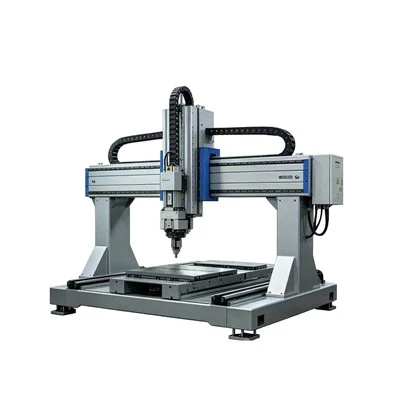
First, let’s start with the basics: gripping systems in logistics are specialized end-of-arm tools (EOAT) designed to handle, manipulate, and move cargo of all shapes, sizes, and materials. Unlike generic forklifts or conveyor belts, these tools are built to adapt to the unique challenges of modern supply chains. I’ve seen first-hand how they cut down on downtime, reduce product damage, and boost safety in ways that traditional methods can’t. Take one of our long-term clients, a mid-sized e-commerce fulfillment center based in the Midwest. Before they installed robotic gripping systems in 2021, their order pickers spent 60% of their time manually handling odd-sized items: irregularly shaped boxes, rolled rugs, fragile glassware, and even pet carriers that didn’t fit standard bins. Not only did this slow down order turnaround times to 48 hours for most orders, but product damage rates hit 3.2% annually—costing them over $120,000 a year in returns and replacements. After switching to our adaptive pneumatic gripping systems, they cut handling time for those odd items by 75%, reduced damage to 0.4%, and trimmed order turnaround to 24 hours. That’s the power of these tools: they turn messy, inconsistent work into a smooth, reliable process.
One of the most common uses for gripping systems is unit load building and handling. A unit load is a standardized grouping of products—think pallets, crates, or bundles—that simplifies transport and storage. But not all products fit neatly onto a pallet. For example, a manufacturing client of ours, who produces custom metal piping, used to rely on workers to lift and stack long, cylindrical pipes onto pallets. This was risky: the pipes weighed up to 500 pounds each, and manual lifting led to an average of 12 worker injuries a year, plus lost productivity from downtime. We installed robotic vacuum gripping systems for their palletizing line, which uses a network of suction cups that adjust to the diameter of each pipe, securely holding them without scratching the surface or straining workers. Now, they can load 20 pipes onto a pallet in 90 seconds, compared to the 10 minutes it took with manual labor, and injury rates dropped to zero. That’s not just efficiency—it’s a win for worker safety, which is a top priority for every logistics operation I work with.
Gripping systems also play a critical role in fragile or high-value cargo handling, a segment where one damaged item can erase profit margins. E-commerce fulfillment centers, pharmaceutical warehouses, and electronics distribution hubs rely on these tools to move products that would break if handled too roughly. Last year, we collaborated with a medical device client that ships sensitive diagnostic equipment, which includes delicate sensors and glass components. Before working with us, they used standard clamps that would often crack sensor casings, leading to a 2.8% damage rate annually and thousands of dollars in lost product. We supplied them with soft-touch pneumatic gripping tools lined with food-grade, medical-grade silicone pads, which adjust pressure based on the weight and fragility of each item. Now, their damage rate is less than 0.1%, and they’ve expanded their product line to include even more delicate devices without worrying about shipping losses. What many people don’t realize is that these soft touch systems aren’t just for fragile goods—they’re also used for items like fresh produce, baked goods, and retail clothing, where scuffs or tears make products unsellable.
Another key application is kitting and order assembly, a process that’s exploded in popularity with the rise of e-commerce and subscription boxes. Kitting refers to grouping multiple small items (like a skincare set, a tool kit, or a holiday gift box) into a single order for a customer. This work is tedious for humans: sorting 10 different small items, placing them into a box, sealing it, and labeling it. Our adaptive robotic gripping systems are designed to pick small parts—from tiny screws to cosmetic tubes—with pinpoint accuracy, even in fast-paced environments. A subscription box client we work with handles 150,000 orders a month, each containing 5-8 individual items. Before switching to automated gripping, they needed 12 workers to assemble and pack those orders, with a 5% error rate (meaning wrong items were sent to customers). Now, two workers oversee the robotic gripping line, error rates are under 0.8%, and they’ve increased their monthly order capacity by 40% without adding more staff. That’s the kind of scalability that small and mid-sized logistics operations need to compete with big-box retailers.
Beyond these core uses, gripping systems are solving some of the biggest pain points in reverse logistics, the often-overlooked process of handling returned goods. Every year, e-commerce returns cost U.S. retailers over $200 billion, and many returns are in good condition but need to be sorted, repackaged, or restocked. Reverse logistics is tricky because returned items come in every shape, size, and condition—some are brand new, some are damaged, some are mislabeled. We’ve developed custom gripping systems for a large online apparel retailer that sorts thousands of returned items daily. The system uses computer vision to scan each returned garment, identify its size, material, and condition, and then select the right gripping tool to handle it—whether it’s a soft clamp for a t-shirt, a hook for a jacket hanger, or a gentle vacuum pad for delicate silk scarves. This has cut their reverse processing time from 3 days to 6 hours, and they’re now able to restock 85% of returned items, up from 60% before. For retailers, that means less waste and more revenue from returned goods.
As logistics evolves, gripping systems are also integrating with smart technology to become more autonomous and adaptable. A few years ago, most gripping systems were custom-built for one specific product, meaning if a client changed their product line, they had to invest in a whole new system. Now, with advances in artificial intelligence (AI) and machine learning, our gripping systems can be trained to handle hundreds of different products without reprogramming. For example, one of our automotive clients produces 12 different models of car parts, ranging from small plastic trim pieces to large metal engine components. Their old system required a new tool for each part, leading to frequent downtime when switching production lines. Our new adaptive grippers use AI to recognize each part, adjust grip force, and switch tools automatically, cutting changeover time from 20 minutes to less than 2 minutes. This kind of flexibility is game-changing for logistics operations that need to pivot quickly to meet changing customer demands.
Of course, no system is perfect, and I’ve seen clients struggle with common challenges when implementing gripping systems. One of the biggest mistakes I see is operations trying to use a one-size-fits-all approach. A warehouse that handles both heavy pallets and small fragile items can’t use the same gripping tool for both. Another challenge is integration with existing equipment—many older forklifts, conveyor belts, or robotic arms aren’t built to work with modern gripping systems, so you need to plan for upgrades upfront. That’s why, as a supplier, we don’t just sell tools; we work with clients to assess their specific needs, design a custom solution, and provide on-site training and support. I’ve learned over the years that the best solutions aren’t the most expensive ones—they’re the ones tailored to a client’s unique products, workflow, and budget.
Looking ahead, the role of gripping systems in logistics will only grow. With the rise of same-day delivery, micro-fulfillment centers in urban areas, and demand for sustainable packaging, these tools will need to become even more versatile, energy-efficient, and able to handle smaller, more varied products. We’re already developing gripping systems that can handle eco-friendly packaging materials, like biodegradable bags and recycled cardboard, which are often less rigid than traditional packaging. We’re also working on systems that integrate with drone delivery, to handle small packages that are too light for standard forklifts. At the end of the day, the core purpose of gripping systems hasn’t changed: to make logistics safer, faster, and more reliable. But as the supply chain becomes more complex, these tools will keep evolving to meet the needs of a world where every package, every pallet, and every product matters.
If you’re a logistics manager, warehouse operator, or supply chain lead looking to improve efficiency, reduce damage, or enhance worker safety in your operations, I’m here to help. We can assess your current workflow, identify pain points, and design a gripping system that fits your specific needs. Reach out to start a conversation about what’s possible for your business.
Spray Coating Machines References
- Logistics Management Magazine. (2023). "Gripping Systems: The Hidden Workhorses of Modern Warehousing."
- Material Handling Industry of America. (2022). "End-of-Arm Tooling Trends for 2023 and Beyond."
- U.S. Bureau of Labor Statistics. (2021). "Warehousing and Storage Worker Injury Rates and Solutions."
- National Retail Federation. (2023). "2023 Returns Report: E-Commerce Return Trends and Cost Impacts."
Wanyuan Yuanwei Automation Equipment Co., Ltd.
With abundant experience, we are one of the most professional gripping systems manufacturers and suppliers in China. Please feel free to wholesale high quality gripping systems for sale here from our factory. Good service and punctual delivery are available.
Address: No.392, Wanbai Road, Baisha Town, Wanyuan City, Dazhou City, Sichuan Province
E-mail: wanyuanyuanwei@outlook.com
WebSite: https://www.yuanweiautomation.com/
