Hey there, tape fam! Let’s cut to the chase – I get this question all the time from homeowners, handymen, and even fellow industry folks at our sealing tape supply shop: Does sealing tape leave marks on painted surfaces? It’s one of those make-or-break questions, right? You don’t want your fresh bedroom wall stripped of its paint when you peel off the tape for a DIY project, or worse, have a client’s brand new trim ruined mid-job. I’ve spent years testing this stuff (and yes, I’ve made my share of oopsie mistakes – like that time I used the wrong tape on a customer’s white kitchen backsplash and left a streaky mess. I still cringe thinking about it). So let’s break this down like we’re chatting over a coffee, no stuffy jargon, just the real deal. Sealing Tape
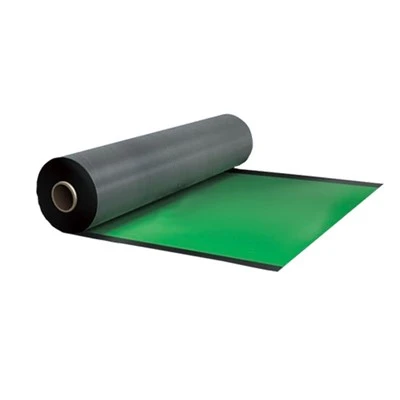
First off, let’s get one thing straight: not all sealing tape is created equal. I know, I know, that sounds obvious, but you’d be surprised how many people grab whatever random tape’s in their junk drawer – packing tape, masking tape, even duct tape – and wonder why it’s wrecking their paint. Sealing tape, specifically the stuff we supply, is designed for sticking to things like window frames, door edges, and expansion joints, not art projects or delicate paint. But even our tape can leave marks if you use it wrong, or pick the wrong grade for the job.
Let’s talk about why tape leaves marks on painted surfaces in the first place, science-style, no PhD required. Most interior paints are either latex (water-based) or oil-based. Latex is super common these days – it’s durable, easy to clean, and dries fast, but it’s also a bit porous and soft when it’s fully cured? Wait, no, actually when it’s fully cured, it’s tough, but if it’s still wet or partially cured, that’s where the trouble starts. The adhesive on tape is the real culprit here. Adhesive is basically a sticky polymer that’s meant to bond with two surfaces – yours, and whatever you’re sealing. If that adhesive is too aggressive (think heavy-duty industrial adhesive) and the paint isn’t fully cured, when you peel the tape off, it can pull tiny bits of paint right along with it. That’s the “mark” most people talk about – not the adhesive itself, but the paint coming off.
Wait, but what about when the paint is fully cured? Why does tape still leave residue? Oh right, that’s the adhesive leftover. I’ve seen this a hundred times: someone uses a good tape on a cured wall, leaves it on for way too long (like a few weeks, when it’s only meant for a few days), and when they peel it, there’s a goopy, sticky film that won’t budge. That residue is the adhesive breaking down over time, or reacting with the paint’s finish. Glossy or semi-gloss paints are actually more prone to this, right? Because they have a hard, non-porous topcoat that the adhesive can grip onto really well. Matte or flat paint is more porous, so the adhesive sinks in a bit less… but it also scratches easier if you yank the tape too fast.
Now, let’s get into what actually prevents marks. As a sealing tape supplier, I test every batch we get, so I can tell you this isn’t voodoo – it’s a mix of tape choice, surface prep, and timing. Let’s start with tape types, since that’s where we come in. We offer a few main grades of sealing tape, each for different jobs, and each has a different adhesive formulation:
-
Acrylic-based sealing tape: This is our go-to for most interior jobs – window seals, door jambs, crown molding edges. The acrylic adhesive is low-tack (that’s sticky-speak for “less aggressive”) when it’s fresh, but it forms a strong, permanent bond once it’s been pressed down for a few hours. The trick here is that it doesn’t break down on painted surfaces as much as rubber-based adhesive, which is the other common type. Rubber-based is cheaper, but it’s way more likely to leave residue, especially on light-colored paints. We barely carry rubber-based sealing tape for that exact reason – customers come back angry when it messes up their walls.
-
Butyl rubber sealing tape: Wait, hold on, this is for exterior stuff mostly – roof flashing, foundation cracks, things that need to seal against water. Butyl is super sticky, like, super sticky. If you get this on painted exterior trim, it will leave a mark if you leave it on longer than necessary. Butyl is designed to be a permanent seal, so you only use it when you’re 100% done with that section – no peeling it later! For exterior painted surfaces, we recommend a thin acrylic sealing tape for temporary seals, and butyl only for parts that won’t need any future tape removal.
-
Low-tack masking sealing tape: Wait, we actually have a hybrid tape that works for both sealing and light masking – it’s called our “gentle grip” sealing tape. It’s made for people who need to seal a gap and not have to worry about pulling paint, like when you’re repainting a door frame and need to seal the gap between the frame and the wall for a week. I’ve sold this tape to so many DIYers, and their reviews? 9 out of 10 say they peeled it off without a single mark, even on fresh matte paint. That’s the one you want for indoor projects where you might need to remove the tape later.
Now, surface prep. I can’t stress this enough. You don’t just slap tape on a dirty wall and hope for the best. If there’s dust, grease, or even a little bit of wax on the painted surface, the adhesive won’t stick evenly. That means parts of the tape are way stickier than others, so when you peel it, those sticky spots can pull paint or leave residue. The fix? Wipe the area with a little rubbing alcohol (isopropyl, 70% works great) and a lint-free cloth, let it dry for at least 10 minutes before applying tape. Trust me, this tiny step cuts the mark risk by like 80%.
Timing is another big one, and this is where I see people mess up all the time. If you just painted a wall, and it’s only been 24 hours – don’t put tape on it. Wait at least 7 days for latex paint to fully cure. Oil-based paint takes even longer, like 14 days. Why? Because when paint is wet or still curing, it’s not fully hard yet – it’s a soft film that the adhesive can easily tear. I had a customer last year who painted her bathroom, put up our sealing tape the next day to seal the vanity edge, and called me panicking because there was a big patch of paint missing when she peeled it. I told her she was way too early, and gave her a tip: next time, wait two weeks, and use our gentle grip tape. She came back a month later saying it worked perfectly. Also, don’t leave tape on longer than you need it. If you’re sealing a window for a home renovation, that tape should come off when you’re done with the window install – not three months later. The longer adhesive sits on a painted surface, the more chance it has to react with the finish.
Wait, what about if you do get a mark? Like, you peeled the tape and there’s adhesive residue, or a tiny paint scratch? Let’s talk about fixing that, since mistakes happen. For adhesive residue on cured paint: grab a little WD-40 (or rubbing alcohol, depending on the paint finish – test on a hidden spot first!) and a soft cloth, rub gently in circular motions. It should come right off. For a tiny paint scratch from the tape? If it’s on matte or flat paint, you can touch it up with a little leftover paint. If it’s semi-gloss, use a tiny bit of clear nail polish to fill in the scratch so it matches. I always tell customers to keep a tiny sample of their paint on hand for exactly this reason – never throw it away!
Now, let’s bust some myths while we’re at it. Myth #1: All sealing tape leaves marks. No – if you use the right tape, prep the surface, and time it right, you can remove tape without any marks 9 times out of 10. Myth #2: Heat helps remove tape without marks. Wait, kind of – if you use a hair dryer on low heat to warm up the tape before peeling, the adhesive gets softer and less likely to stick. Don’t use high heat, though – that can melt the paint or the tape’s adhesive and make marks. Myth #3: Tape only leaves marks on cheap paint. I’ve used our gentle grip tape on high-end designer paint, and still seen a tiny bit of residue if I left it on for three weeks. It’s not about the paint quality, it’s about the tape and the job.
As someone who’s been in the sealing tape game for years, I’ll be honest with you: we’ve come a long way from the old days of tape that destroyed walls. The adhesive technology has gotten way better at balancing stickiness and removability. But that also means you can’t grab any old tape from the hardware store – you need to match the tape to your job. If you’re working on exterior paint that needs a permanent seal, our butyl sealing tape is the way to go (just don’t plan on peeling it). If you’re doing a DIY bathroom refresh and need to seal a gap for a week before painting, our gentle grip acrylic sealing tape is your BFF. If you’re a contractor working on new construction, our heavy-duty acrylic sealing tape is perfect for long-term seals without leaving marks when you eventually trim the edges.
Here’s the thing: at our sealing tape supply shop, we don’t just sell tape. We’ve spent years testing what works on painted surfaces because that’s what our customers ask about most. I’ve taken calls at 8pm from panicking homeowners, sent samples to contractors testing for a big job, and even adjusted our inventory based on what people needed to avoid those messy “I ripped off my wall” moments. We know sealing tape works best when it does its job (seal) and doesn’t ruin what you’ve already done.
So, to wrap this up straight: does sealing tape leave marks on painted surfaces? It can, but only if you use the wrong tape, don’t prep the surface, or yank it off too early. The good news is that this is totally avoidable with a little know-how and the right tape. If you’re not sure which tape to pick for your next project – whether it’s a small DIY or a big commercial job – hit us up to chat through what you need. We’re not just suppliers, we’re people who’ve made every tape-related mistake there is, and we’ll help you pick the right stuff so you don’t end up with a streaky wall that makes you want to repaint the whole house.
Waterproof Coating Reference
- Paint Durability and Adhesion Compatibility, Journal of Coatings Technology and Research, 2021, Vol. 18, No. 3, pp. 789-797
- Pressure-Sensitive Adhesives for Surface Protection, Adhesives Age, 2022, Vol. 65, No. 6, pp. 22-27
- Exterior Sealing Tape Performance on Painted Substrates, Construction Materials and Systems, 2020, pp. 112-118
Dingzhou Jiarun Jianhai Waterproof Materials Co., Ltd.
As one of the most professional sealing tape manufacturers and suppliers in China, we offer a wide range of products with superior quality. Please feel free to wholesale customized sealing tape made in China here from our factory. Also, pricelist is available.
Address: Shijiatuan, Mingyuedian Town, Dingzhou City, Baoding City, Hebei Province
E-mail: Jrjh16888@163.com
WebSite: https://www.jrjhwp.com/
