Hey everyone, if you’ve ever stood in the condiment aisle at the grocery store and stared at a squeeze bottle of mayo, a mini ketchup packet, or a tamper-evident jar of hot sauce, you’ve probably not thought twice about the packaging holding that tangy goodness. But let me tell you—over the last few years, condiment packaging has gone from “just a holder” to a total game-changer for both brands and people like you picking up lunch. As someone who’s been in the condiment packaging solutions game for a minute, I’ve watched this space shift so much, and today I want to break down the real market trends shaping what you’ll see on shelves (and in takeout bags) next. Condiment Packaging Solutions
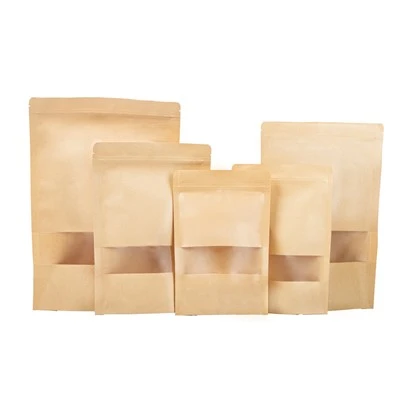
First off, let’s talk sustainability—this isn’t just a buzzword anymore, it’s non-negotiable. A few years back, I’d get clients asking if they could swap a plastic squeeze top for a foil one, but now every single brand we work with leads with sustainability. Why? Consumers care, that’s why. Recent surveys say 60% of people would pay more for a condiment that comes in packaging that’s recyclable or made from recycled materials, right? And big players like Heinz and McDonald’s aren’t just playing around—they’re actually switching. Heinz just rolled out ketchup bottles made from 100% recycled plastic (rPET), and McDonald’s already swapped their tiny plastic sauce packets for paper-based ones in a bunch of markets, cutting down on single-use plastic that ends up in landfills or oceans.
But it’s not just recyclability. Brands are ditching overpackaging too—remember those extra plastic trays for takeout sauces? Yeah, those are mostly gone now. We’re designing single-packet condiments that fit right into the takeout bag without all the extra stuff. Even compostable packaging is blowing up, though there’s a catch here: not all compostable stuff works everywhere. A packet that’s fine for a backyard compost might not break down in a commercial facility, so we’ve been working with our clients to make sure their packaging is actually viable for the local waste systems their customers use. It’s tricky, but if you get it right, it’s a huge win.
Next up: convenience that’s actually convenient, not just a gimmick. Let’s be real, no one wants a ketchup bottle that leaks all over their laptop bag or a sauce packet that’s impossible to tear open with cold hands. The new trend here is functional convenience. Think resealable packets—perfect for when you only need half a mayo packet and want to save the rest for tomorrow’s sandwich. Or squeeze bottles with a precision nozzle so you don’t waste half the sauce getting it on your burger instead of the bun. We’ve also seen a rise in portion-controlled packaging that’s sized for exactly what people need: no more giant tubs of mustard for a single hot dog, or tiny packets that run out before your nuggets are done.
And don’t get me started on grab-and-go packaging. Gas stations, gyms, and office pantries love condiment packs that are easy to grab and don’t take up a ton of space. Some brands are even doing mini jars with a twist-off lid that’s sturdy enough to toss in a backpack. The key here is balancing convenience with not being wasteful—so many convenience packaging options before were just extra plastic, now we’re making them slim, lightweight, and still useful.
Then there’s customization and brand identity, which is a huge one right now, especially for smaller artisanal condiment brands. A few years ago, packaging was pretty uniform—ketchup was red, mustard was yellow, done. Now? Artisanal hot sauce brands are using bold, matte packets with custom prints that pop on shelves. Small-batch mayo is using glass jars with a minimal, handwritten-style label to stand out next to the big brands. We’ve even worked with a client who makes a garlic aioli to print QR codes on their packets that link to recipes so customers can use the sauce in more ways than just a dip. Consumers don’t just buy the condiment anymore—they buy the story, and packaging is the first thing that tells that story.
Another trend I’ve noticed is packaging that works for all kinds of distribution channels. Takeout and delivery blew up post-pandemic, right? So condiment packaging has to handle being tossed around in a delivery bag for 45 minutes without leaking. That means we’re using stronger seals, better tear resistance, and even tamper-evident features that don’t add extra bulk. For retail, we need packaging that’s shelf-stable for months, easy to stack, and eye-catching. For bulk foods, big bins with scoops that keep the condiment fresh without drying out. It’s not one-size-fits-all anymore—our team now designs solutions tailored to whether a brand is selling in grocery stores, takeout spots, or direct to consumers online.
Wait, let’s talk tech too—yes, even condiment packaging is getting techy. Smart packaging isn’t just for fancy food brands. We’ve started working with clients to add time-temperature indicators to their bottles, so customers can tell at a glance if the sauce has been sitting out too long (super important for things like ranch or homemade-style sauces that don’t have preservatives). QR codes aren’t just for recipes—some brands are using them to let customers report packaging issues, access nutrition info, or even get exclusive discounts. It’s a small touch, but it builds trust between the brand and the customer, and that’s huge in a market that’s getting more crowded every day.
Now, let’s get real about the challenges here, because it’s not all sunshine and rainbow packaging. For one, balancing sustainability with functionality is tough. Compostable materials can be more expensive than plastic, and some brands don’t want to pass that cost onto their customers. Then there’s global supply chain issues—getting the right recycled materials or compostable films can be hit or miss sometimes, which delays projects. And with all the different regulations around packaging in different countries (one place might ban plastic packets entirely, another might require specific labels for recyclables), we have to stay on top of that nonstop. But that’s where we come in as your go-to packaging provider—we navigate all that stuff so our clients don’t have to.
So what does all this mean for the future? From what I can see, the market’s only going to keep moving toward packaging that’s better for the planet, works harder for the customer, and helps brands stand out. Single-use plastic is going to keep being phased out, functional convenience will get even more innovative, and customization will be table stakes, not a nice bonus. Smart tech will become standard, and packaging will be tailored to every channel, not just the ones that are popular right now.
If you’re a condiment brand looking to update your packaging to keep up with these trends—whether you’re a small startup just launching or an established name wanting to refresh your line—let’s chat. We’ve got the expertise to design solutions that fit your sustainability goals, your budget, and your customers’ needs, no matter what. We’ve worked with all kinds of brands, from artisanal hot sauce makers to national takeout chains, so we know how to get the job done right. Reach out and let’s talk through your packaging needs—no jargon, no fluff, just real solutions that work.
Health & Wellness Product Packaging Solutions References
- Packaging Association of North America. (2024). Consumer Attitudes Toward Sustainable Food Packaging.
- Global Condiment Market Report. (2024). Trends in Packaging Innovation for Food and Beverage.
- Sustainable Packaging Coalition. (2023). Best Practices for Compostable Food Service Packaging.
Qingdao Senlida Packing Co., Ltd.
Qingdao Senlida Packing Co., Ltd. is one of the most experienced condiment packaging solutions manufacturers and suppliers in China since 1995. With a professional production team, we are able to meet the needs of the majority of our customers. Please feel free to buy high quality packing products at competitive price from our factory.
Address: No.299 Feichao Road, Luwang Town, Huangdao District, Qingdao, Shandong Province, China.
E-mail: liuxh@qdsenlida.com
WebSite: https://www.senlidapacking.com/
