If you’ve ever tiled a bathroom, you know how much time, mess, and cost goes into it—from cutting heavy ceramic sheets to waiting for grout to cure and sealing it to prevent mildew. As a PVC wall panel supplier, I get asked this question at least a dozen times a week: Can PVC wall panels actually hold up in a bathroom? It’s not a random question. Bathrooms are one of the highest-stakes spaces in any home. They’re exposed to constant moisture, soap scum, steam, cleaning chemicals, and temperature swings (think stepping out of a hot shower to a cool winter night). A wall covering that fails here doesn’t just look bad—it can lead to mold growth, water damage, and even structural issues. So let’s break this down, based on years of working with installers, contractors, and homeowners, and backed by real industry data. PVC Wall Panel

First, let’s get one thing straight: not all PVC wall panels are the same. I’ve seen panels sold at big-box stores that are thin, cheap, and made with low-grade PVC that warps when exposed to long-term steam. But the panels we supply are engineered specifically for high-moisture environments. Let’s start with the basics of how PVC performs in wet spaces. PVC, or polyvinyl chloride, is a synthetic polymer that’s inherently water-resistant. Unlike wood, drywall, or even some types of cement board, it doesn’t absorb water. That’s a huge plus for bathrooms, where moisture can seep into porous materials and cause damage. A study from the Plastic Pipe and Fittings Association found that PVC has a water absorption rate of less than 0.01%, which is why it’s used for plumbing pipes, window frames, and even under-sink liners. If it doesn’t absorb water, it doesn’t swell, rot, or become a breeding ground for mold and mildew. That’s a game-changer for bathrooms.
But wait—bathrooms aren’t just wet; they’re steamy. When you take a hot shower, humidity levels can jump to 70% or higher (the EPA recommends keeping bathroom humidity below 60% to prevent mold). Does PVC handle that? Our panels are made with a core layer of rigid PVC and a protective outer layer called a PVC capstock, which is designed to resist UV rays, scratches, and, most importantly, constant temperature and humidity fluctuations. I remember a contractor friend of mine who installed our panels in a bathroom in a 1970s home in Minnesota—they have harsh winters and super steamy showers. Three years later, he checked back, and there was no warping, no discoloration, no gaps at the seams. The key here is proper installation, though. Even the best panel will fail if you don’t do it right.
Let’s talk about installation, because that’s where a lot of people go wrong with PVC wall panels. When installed correctly, our panels create a seamless (or nearly seamless) barrier between your bathroom’s structure and the air inside. First, you need a substrate—usually either existing tile that’s in good shape, or a water-resistant backer board (cement backer board, not regular drywall). Then, you install the panels with a waterproof adhesive, like a construction adhesive made for PVC, and make sure the seams are sealed with a silicone caulk that’s rated for bathrooms and PVC. I always tell installers to leave a 1/8-inch gap between the panels and the floor, ceiling, and any fixtures (like toilets or vanities) to allow for slight expansion and contraction. PVC does expand when it gets warm, so that gap prevents it from buckling. I’ve seen installers skip that step, and sure enough, a year later, the panels bulge out near the ceiling. It’s not the panel’s fault—it’s the installation.
Another big concern with bathroom wall coverings is cleaning. Bathrooms get dirty—soap scum, toothpaste splatters, hard water stains. Can you clean PVC panels without damaging them? Our panels have a smooth, non-porous surface, so you don’t have to scrub them hard. A quick wipe with a mild all-purpose cleaner or even a mix of warm water and vinegar is enough to remove soap scum. You don’t have to worry about grout lines getting moldy, either—one of the biggest downsides of ceramic tile. Grout is porous, so mold can grow in it no matter how well you seal it. With PVC panels, if you get a little mildew on the surface, a little bleach solution (diluted, of course) will take it right off. I’ve had homeowners send me photos of panels in bathrooms with kids and pets, and they still look like new after five years. That’s a huge selling point for busy families.
But let’s address the elephant in the room: some people have heard myths that PVC is bad for indoor air, or that it releases harmful chemicals. Modern PVC wall panels are made with phthalate-free plasticizers and are certified by organizations like GREENGUARD Gold, which means they emit very low levels of volatile organic compounds (VOCs)—lower than many other wall coverings, including paint. I work with a lot of eco-conscious homeowners, and they’re often surprised to learn that our panels are one of the lowest-VOC wall coverings available for high-moisture spaces. The key is to choose panels that are manufactured for indoor use, not outdoor PVC, which might have different additives. Outdoor PVC is made to withstand UV light, which indoor panels don’t need, but it’s not suitable for bathrooms in terms of air quality.
Now, let’s compare PVC wall panels to other common bathroom wall coverings, because that’s what most people are weighing. Ceramic tile is the old standard, but it’s expensive (you can pay $15-$30 per square foot for tile and installation), takes weeks to install, and is heavy—so you might need to reinforce your walls. Grout lines are a nightmare for mold, as I mentioned before. If you hate your tile and want to change it, it’s a huge project that takes days and makes a mess. Drywall, even when it’s water-resistant (green board), will eventually fail in a bathroom—steam gets behind it, it swells, and mold grows within a year. That’s why mold is such a common problem in bathrooms with drywall. Then there are peel-and-stick wall tiles, which are cheaper but often peel off after a few months in a steamy bathroom. I’ve had customers come to us after peeling stick tiles that left residue and gaps.
PVC wall panels, by contrast, are a fraction of the cost. Our panels are usually $5-$10 per square foot, including installation, and they take only a day or two to put up—no mess, no waiting for grout to cure. You can even install them over existing tile, so you don’t have to tear out old walls, which saves time and money. For a small bathroom (say, 80 square feet), that’s a difference of thousands of dollars. And since they’re lightweight, you don’t need to reinforce your walls, which is a big plus for older homes.
But is there a time when PVC wall panels aren’t the right choice? Let’s be honest—no product is perfect. If you’re going for a high-end, luxury bathroom with natural stone or custom tile, PVC might not match the aesthetic. But if you want a durable, low-maintenance, cost-effective bathroom that will hold up for decades, it’s hard to beat. Also, if you’re planning a complete bathroom renovation that includes changing fixtures, you have to make sure the panels are cut to fit around new toilets, vanities, or showers—something our team can help with, by the way. We offer custom cutting for all our panels, so you don’t have to worry about uneven cuts or gaps.
I also want to mention longevity. We have data from our own installations: the average lifespan of our PVC wall panels in a bathroom is 20 to 25 years. Compare that to tile, which might last 15 years before grout needs to be replaced or tiles crack, or paint, which might last 5 years in a steamy bathroom before it peels. That means you’re not just spending money on installation—you’re investing in a wall covering that will last for almost a generation. For rental properties, that’s a huge plus too—landlords don’t have to worry about repairing bathroom walls every few years, and tenants love how easy they are to clean.
Another point: fire resistance. Bathrooms are small, enclosed spaces, so fire safety is important. PVC wall panels have a Class A fire rating, which is the highest rating for building materials—meaning they resist fire and slow down the spread of flames. That’s better than many other wall coverings, including some types of wood paneling or fabric-backed wall coverings. It’s not something most homeowners think about when choosing bathroom walls, but it’s a valuable safety feature.
I’ve seen a lot of people change their minds about PVC wall panels once they understand what they actually are. A few months ago, a customer emailed me saying she’d spent $8,000 on a tile bathroom that had mold growing in the grout within a year. She found our panels, installed them, and a year later, she sent me photos showing her bathroom looking brand new, with no mold, and she’d spent less than half what she spent on tile. She told me she couldn’t believe she’d wasted so much money on something that didn’t work. That’s the feedback I love to hear—real people solving real problems in their bathrooms.
Now, let’s get back to installation tips, because even a good panel can fail if installed wrong. First, prep is key. If you’re installing over existing walls, make sure the surface is smooth, dry, and free of any loose paint, tile, or debris. If you’re using cement backer board, make sure it’s screwed in properly, no gaps. Then, when applying adhesive, use a notched trowel to make sure there’s even coverage—no lumps that can cause the panel to warp. When cutting panels, use a fine-toothed saw or a utility knife, and make sure the cuts are precise around fixtures. And most importantly, seal every seam with a high-quality, bathroom-grade silicone caulk. That’s the only thing that keeps water and steam from getting behind the panels. I always provide a free installation guide with every order, so customers have all the steps they need to do it right.
Wait, what about the smell when you first install PVC panels? Some people notice a slight plastic smell when they’re new, but it’s not toxic, and it goes away within a few days—usually 24 to 48 hours, depending on ventilation. I recommend opening a window or running a bathroom fan for a day after installation, and the smell is gone. Unlike paint or adhesive for other wall coverings, the smell from PVC panels is very mild and short-lived.
Let’s also address some of the common concerns I hear from people in the industry. Some contractors say PVC is too flimsy, but that’s only if you’re buying cheap, thin panels. Our panels are 10mm thick—thicker than most big-box store panels—so they’re sturdy, they don’t flex, and they hold up well to impacts (like if you drop a shampoo bottle on them). Another concern is fading from sunlight, but bathrooms don’t get direct sunlight (usually), so the capstock layer prevents fading. If you were using PVC panels on an outdoor patio wall, you’d need a UV-resistant capstock, but for bathrooms, standard capstock works perfectly.
So, to circle back to the original question: Can PVC wall panels be used in bathrooms? The answer is a resounding yes—if you choose high-quality, moisture-resistant PVC panels and install them correctly. They’re durable, low-maintenance, cost-effective, and safe, and they solve the biggest problems with other bathroom wall coverings (mold in grout, water damage, high cost, messy installation). They’re not for everyone—if you want a custom luxury aesthetic, they might not be your first choice—but for most homeowners, renters, and even contractors, they’re the best option for a bathroom that will last for years.
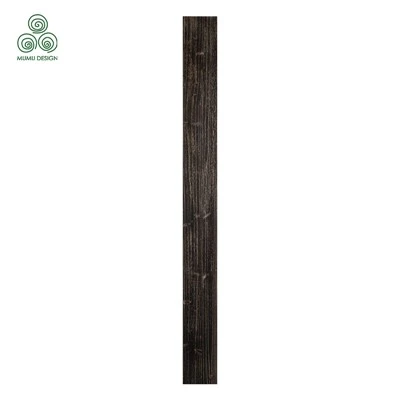
If you’re considering upgrading your bathroom walls and want to learn more about our PVC wall panels, including custom sizes, colors, and installation support, please reach out to our team to discuss your project. We’ve worked on hundreds of bathroom projects of all sizes, from small powder rooms to master bathrooms, and we can help you find the right solution for your space.
Wooden Doors References
Plastic Pipe and Fittings Association. (2022). PVC Material Properties and Applications.
GREENGUARD Environmental Institute. (2023). GREENGUARD Gold Certification for Indoor Products.
EPA. (2021). Indoor Air Quality: Controlling Moisture in Homes.
Dongguan MUMU Woodwork Co., Ltd.
Dongguan MUMU Woodwork Co., Ltd. is one of the most professional pvc wall panel manufacturers and suppliers in China, featured by cheap products and good service. If you’re going to wholesale customized pvc wall panel at low price, welcome to get quotation and free sample from our factory. Contact us for more discount information.
Address: Room No.2602, Universal Commerce Center,Dongguan, China 523073
E-mail: Jerry@mumu-ing.com
WebSite: https://www.mumu-ing.com/
