When it comes to electrical systems, circuit breakers are undoubtedly one of the most crucial components. As a supplier of circuit breakers, I’ve seen firsthand the many benefits they offer, such as protecting electrical circuits from overloads and short circuits. However, like any technology, circuit breakers also have their fair share of disadvantages. In this blog post, I’ll delve into some of these drawbacks, which can be important for you to understand before making purchasing decisions. Circuit Breakers
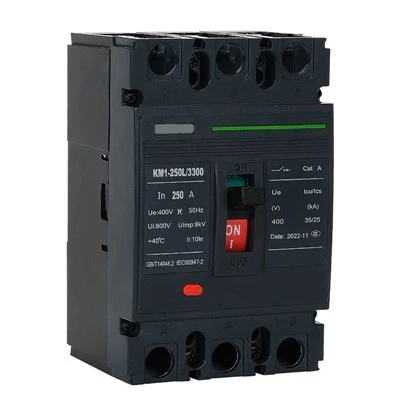
1. High Initial Cost
One of the most significant disadvantages of circuit breakers is their relatively high initial cost. Compared to simple fuses, which are a much older and more basic form of over – current protection, circuit breakers can be several times more expensive.
Fuses are made of a simple piece of metal that melts when excessive current flows through it, interrupting the circuit. Their manufacturing process is straightforward, and they require minimal materials, which keeps their cost down. In contrast, circuit breakers are complex mechanical and electrical devices. They consist of components like contacts, trip units, arc – extinguishing chambers, and operating mechanisms. The design and production of these parts demand a high level of precision and quality control, driving up the cost.
For small – scale electrical applications or projects with a tight budget, the cost difference between fuses and circuit breakers can be a decisive factor. For example, in a DIY home electrical project where only a few basic over – current protection devices are needed, the additional expense of circuit breakers may not be justifiable. This high upfront cost can also pose a challenge for large – scale industrial projects, where hundreds or even thousands of circuit breakers are required.
2. Complexity in Installation and Maintenance
Circuit breakers are more complex to install compared to fuses. Installing a fuse typically involves simply inserting it into a fuse holder, a straightforward task that can often be done without specialized training. In contrast, circuit breaker installation requires a more in – depth understanding of electrical systems, proper grounding, and correct wiring.
The electrical connections for circuit breakers need to be precise to ensure reliable operation. Incorrect installation can lead to issues such as loose connections, which can cause overheating and even pose a fire hazard. Additionally, the location and mounting of circuit breakers are crucial. They need to be installed in a suitable enclosure with proper ventilation to dissipate heat generated during normal operation.
Maintenance of circuit breakers is also a more involved process. Regular inspections are required to check for signs of wear and tear, such as damaged contacts, worn – out operating mechanisms, and corrosion. The internal components of circuit breakers, especially the trip units, need to be calibrated periodically to ensure they trip at the correct current levels. These maintenance tasks often require specialized tools and trained personnel, which adds to the overall cost of using circuit breakers.
3. Limited Number of Trips
Every circuit breaker has a limited number of operating cycles or trips. Each time a circuit breaker trips, the contacts within it are subjected to mechanical and electrical stress. The arcing that occurs when the contacts open during a trip can cause erosion and pitting on the contact surfaces. Over time, this damage accumulates, reducing the effectiveness of the circuit breaker.
After a certain number of trips, the circuit breaker may need to be replaced. This limitation is an important consideration, especially in applications where the circuit breaker is likely to trip frequently. For example, in industrial settings with machinery that experiences frequent start – stop cycles or in electrical systems prone to short – term overcurrents, the circuit breaker may reach its maximum number of trips sooner than expected. This not only results in additional replacement costs but also downtime for the electrical system while the circuit breaker is being replaced.
4. Sensitivity to Environmental Conditions
Circuit breakers are sensitive to environmental factors such as temperature, humidity, and the presence of contaminants. High temperatures can reduce the performance of circuit breakers. The materials used in the trip units and other components may expand or degrade at elevated temperatures, affecting the accuracy of the tripping mechanism. In extreme cases, high temperatures can cause the circuit breaker to trip prematurely, leading to unnecessary disruption of the electrical supply.
Humidity can also be a problem. Moisture can cause corrosion of the metal components within the circuit breaker, including the contacts and the operating mechanism. This corrosion can lead to increased contact resistance, which in turn causes overheating and can eventually result in the failure of the circuit breaker.
In addition, the presence of dust, dirt, and other contaminants in the environment can affect the operation of circuit breakers. Contaminants can accumulate on the contacts, reducing their conductivity and increasing the risk of arcing. In industrial environments with high levels of particulate matter or chemical contaminants, special enclosures and protection measures may be required to ensure the reliable operation of circuit breakers, adding to the overall cost.
5. Inability to Provide Complete Protection
While circuit breakers are designed to protect electrical circuits from overloads and short circuits, they cannot provide complete protection against all types of electrical faults. For example, they may not be effective in protecting against ground – fault currents caused by leakages to earth. Ground – fault circuit interrupters (GFCIs) are often needed in addition to circuit breakers to protect against these types of faults, especially in wet or outdoor environments where the risk of electrical shock is higher.
Circuit breakers also do not protect against voltage surges, such as those caused by lightning strikes or power grid disturbances. To protect against voltage surges, surge protectors are required. This means that additional devices are needed to provide comprehensive electrical protection, which increases the complexity and cost of the electrical system.
6. Compatibility Issues
In an electrical system, ensuring compatibility between different components is crucial. Circuit breakers need to be compatible with the wiring size, load characteristics, and the overall electrical system design. Using an incompatible circuit breaker can lead to improper operation and safety hazards.
For example, if a circuit breaker with a rated current that is too high is used for a particular circuit, it may not trip when an overcurrent condition occurs, allowing excessive current to flow through the circuit and potentially causing damage to the wiring and connected equipment. On the other hand, using a circuit breaker with a rated current that is too low can result in frequent nuisance tripping, disrupting the normal operation of the electrical system.
In addition, when upgrading or modifying an existing electrical system, compatibility issues can arise. Older electrical systems may require specific types of circuit breakers, and finding compatible replacement parts can be a challenge. Newer circuit breakers may not be physically or electrically compatible with the existing panel or wiring, which can complicate the upgrade process.
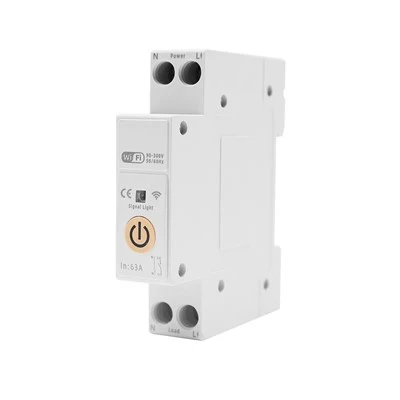
Despite these disadvantages, circuit breakers remain an essential part of modern electrical systems due to their many advantages, such as reusability and the ability to quickly restore power after a fault. As a circuit breaker supplier, I understand that these drawbacks are factors that need to be considered in electrical system design and installation. Our team is dedicated to helping you choose the right circuit breakers for your specific needs, taking into account these disadvantages and finding solutions to mitigate them.
Copper Aluminum Cable Lug If you’re in the process of selecting circuit breakers for your project or need more information about how to address these disadvantages, we’re here to assist you. Our experienced team can provide you with detailed product information, installation guidance, and maintenance advice. We invite you to contact us to start a discussion about your circuit breaker requirements. Let’s work together to ensure the reliability and safety of your electrical systems.
References
- "Electrical Installation Calculations" by Ivor Ephgrave.
- "Electrical Engineering Handbook" by Richard C. Dorf.
- IEEE standards related to circuit breakers.
Wenzhou Lanen Electrical Co., Ltd.
Wenzhou Lanen Electrical Co., Ltd. is one of the most professional circuit breakers manufacturers and suppliers in China, also supports customized service with low price. Please feel free to buy CE approved circuit breakers made in China here from our factory. Contact us for more discount information.
Address: Zhiguang Liushi Town Yueqing City Wenzhou City Zhejiang Province
E-mail: lanen@luyele.cn
WebSite: https://www.lanenelectrical.com/
