Hey there, fellow tech enthusiasts and network wizards! I’m a supplier of twisted pair cables, and today, I’m diving deep into a topic that often gets overlooked but is super important when setting up a network: the difference between Cat 6 and Cat 7 cables in terms of installation space requirements. Twisted Pair Cable

Let’s start with a bit of background. Twisted pair cables are the unsung heroes of the networking world. They’re used to connect devices like computers, routers, and switches, allowing data to flow smoothly. Cat 6 and Cat 7 are two popular types of these cables, each with its own set of features and benefits.
First off, let’s talk about Cat 6 cables. These have been around for a while and are pretty common in both home and office networks. They’re designed to support Gigabit Ethernet speeds and can handle frequencies up to 250 MHz. Cat 6 cables usually come in a standard size, and they’re relatively easy to work with.
The installation space for Cat 6 cables isn’t too demanding. They’re flexible enough to be bent around corners and through tight spaces without causing too many issues. You can usually run them through walls, ceilings, and floors without having to worry about them taking up too much room. In a typical office environment, you can easily bundle a bunch of Cat 6 cables together in a cable tray or conduit. They don’t require a whole lot of extra space for support or protection.
One of the great things about Cat 6 cables is that they’re compatible with a wide range of networking equipment. So, if you’re upgrading your network or just setting one up from scratch, you don’t have to worry about finding the right hardware to work with them. This also means that you can install them in existing spaces without having to make major changes to your infrastructure.
Now, let’s move on to Cat 7 cables. These are a bit more advanced than Cat 6 cables. They’re designed to support even higher speeds, up to 10 Gigabit Ethernet, and can handle frequencies up to 600 MHz. This makes them a great choice for data centers and other high – performance networking environments.
But when it comes to installation space, Cat 7 cables are a bit more finicky. They have a thicker outer jacket compared to Cat 6 cables. This is because they need more protection to maintain their high – performance capabilities. The extra shielding in Cat 7 cables helps to reduce electromagnetic interference, which is crucial for high – speed data transmission.
The thicker jacket means that Cat 7 cables take up more space. When you’re running them through walls or conduits, you need to make sure there’s enough room. You can’t just cram them in with a bunch of other cables like you can with Cat 6. In fact, it’s often recommended to run Cat 7 cables in their own dedicated conduit or cable tray to prevent any interference from other cables.
Another thing to consider is the bends. Cat 7 cables have a larger minimum bend radius compared to Cat 6 cables. This means that you can’t bend them as sharply. When installing them, you need to be more careful about how you route them to avoid damaging the cable. If you bend a Cat 7 cable too much, it can affect its performance and even cause signal loss.
In a data center, where space is often at a premium, the installation of Cat 7 cables requires more planning. You have to think about how to organize them to make the most of the available space. You might need to use larger cable management systems or even dedicate more space in the rack for the cables.
So, in summary, the main difference between Cat 6 and Cat 7 cables in terms of installation space requirements is that Cat 7 cables need more room. They have a thicker jacket, a larger minimum bend radius, and often require their own dedicated space for installation. Cat 6 cables, on the other hand, are more flexible and can be installed in tighter spaces with less hassle.
Now, you might be wondering which one is the right choice for you. Well, it depends on your needs. If you’re setting up a small home network or an office with basic networking requirements, Cat 6 cables are probably a great option. They’re cost – effective, easy to install, and can handle most of your everyday networking needs.
But if you’re running a data center or a high – performance network that requires super – fast speeds and low interference, then Cat 7 cables are the way to go. Just be prepared to invest a bit more time and space in the installation process.
As a twisted pair cable supplier, I’ve seen firsthand how important it is to choose the right cable for the job. And I’m here to help you make that decision. Whether you need Cat 6 or Cat 7 cables, I can provide you with high – quality products that meet your specific requirements.
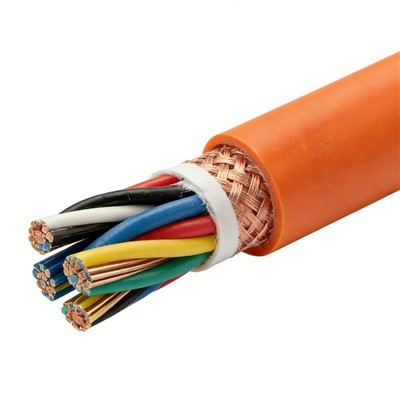
If you’re interested in learning more about our twisted pair cables or if you want to discuss your installation needs, don’t hesitate to reach out. Let’s have a chat about how we can work together to get your network up and running smoothly.
Servo Cable References:
- "Network Cabling Installation Guide" by a well – known networking equipment manufacturer.
- Industry whitepapers on high – speed network cables.
Cixi Davos Wire & Cable Co., Ltd.
As one of the most professional twisted pair cable manufacturers and suppliers in China, we also support customized service. Please feel free to buy bulk high quality twisted pair cable in stock here from our factory. For price consultation, contact us.
Address: No.3, Lane 91, Ruan Ding Road, Linxi Village, Xiaolin Town, Cixi City
E-mail: roy798@163.com
WebSite: https://www.cj-supplychain.com/
