Hey there! I’m a supplier of surface grinding machines, and I’ve seen a lot of folks struggling to get that perfect surface finish on their workpieces. It’s a common headache, but don’t worry – I’m here to share some tips and tricks that’ll help you improve the surface finish on your surface grinding machine. Surface Grinding Machine

Understanding the Basics
First off, let’s talk about what surface finish actually means. It’s all about how smooth and even the surface of your workpiece is. A good surface finish not only looks great but also improves the functionality of the part. For example, in precision engineering, a smooth surface can reduce friction, improve wear resistance, and enhance the overall performance of the component.
Now, when it comes to surface grinding, there are a few key factors that can affect the surface finish. These include the type of grinding wheel, the grinding parameters (like speed, feed rate, and depth of cut), the coolant used, and the condition of the machine itself. Let’s take a closer look at each of these factors.
Choosing the Right Grinding Wheel
The grinding wheel is like the heart of your surface grinding machine. It plays a crucial role in determining the surface finish of your workpiece. There are different types of grinding wheels available, each with its own characteristics and applications.
- Abrasive Type: The most common abrasive materials used in grinding wheels are aluminum oxide, silicon carbide, and cubic boron nitride (CBN). Aluminum oxide is a versatile abrasive that’s suitable for grinding a wide range of materials, including steel, cast iron, and non-ferrous metals. Silicon carbide is harder and more brittle than aluminum oxide, making it ideal for grinding hard and brittle materials like ceramics and glass. CBN is the hardest abrasive available and is used for grinding high-hardness materials like hardened steel and superalloys.
- Grain Size: The grain size of the grinding wheel also affects the surface finish. A finer grain size will produce a smoother surface finish, but it may also result in slower grinding speeds and increased wheel wear. On the other hand, a coarser grain size will remove material more quickly but may leave a rougher surface finish. You’ll need to choose the right grain size based on the material you’re grinding and the desired surface finish.
- Bond Type: The bond type of the grinding wheel holds the abrasive grains together. There are different types of bonds available, including vitrified, resinoid, and metal bonds. Vitrified bonds are the most common and are suitable for a wide range of applications. Resinoid bonds are more flexible and are often used for grinding thin-walled parts or materials that require a high degree of surface finish. Metal bonds are the strongest and are used for grinding hard and abrasive materials.
Optimizing Grinding Parameters
Once you’ve chosen the right grinding wheel, it’s time to optimize the grinding parameters. These parameters include the speed of the grinding wheel, the feed rate of the workpiece, and the depth of cut.
- Grinding Wheel Speed: The speed of the grinding wheel is measured in surface feet per minute (SFPM). The optimal speed will depend on the type of grinding wheel, the material being ground, and the desired surface finish. In general, a higher speed will produce a smoother surface finish, but it may also increase the risk of burning the workpiece. You’ll need to find the right balance between speed and surface finish.
- Feed Rate: The feed rate is the speed at which the workpiece is fed into the grinding wheel. A higher feed rate will remove material more quickly, but it may also result in a rougher surface finish. A lower feed rate will produce a smoother surface finish, but it may take longer to complete the grinding process. You’ll need to adjust the feed rate based on the material being ground and the desired surface finish.
- Depth of Cut: The depth of cut is the amount of material that’s removed with each pass of the grinding wheel. A larger depth of cut will remove material more quickly, but it may also increase the risk of chipping or cracking the workpiece. A smaller depth of cut will produce a smoother surface finish, but it may take longer to complete the grinding process. You’ll need to choose the right depth of cut based on the material being ground and the desired surface finish.
Using the Right Coolant
Coolant is an important part of the surface grinding process. It helps to reduce heat and friction, which can improve the surface finish of the workpiece and extend the life of the grinding wheel. There are different types of coolants available, including water-based coolants, oil-based coolants, and synthetic coolants.
- Water-Based Coolants: Water-based coolants are the most common type of coolant used in surface grinding. They’re inexpensive, easy to use, and provide good cooling and lubrication. However, they may not be suitable for grinding certain materials, such as aluminum and magnesium, as they can cause corrosion.
- Oil-Based Coolants: Oil-based coolants are more expensive than water-based coolants, but they provide better lubrication and are less likely to cause corrosion. They’re often used for grinding high-hardness materials or materials that require a high degree of surface finish.
- Synthetic Coolants: Synthetic coolants are a relatively new type of coolant that combines the advantages of water-based and oil-based coolants. They provide good cooling and lubrication, are less likely to cause corrosion, and are environmentally friendly. However, they may be more expensive than water-based or oil-based coolants.
Maintaining the Machine
Finally, it’s important to maintain your surface grinding machine to ensure that it’s operating at its best. Regular maintenance can help to prevent problems and improve the surface finish of your workpieces.
- Cleaning: Keep the machine clean and free of debris. This will help to prevent the build-up of dirt and grime, which can affect the performance of the machine and the surface finish of the workpiece.
- Lubrication: Lubricate the moving parts of the machine regularly to reduce friction and wear. This will help to extend the life of the machine and improve its performance.
- Alignment: Check the alignment of the machine regularly to ensure that it’s operating correctly. Misalignment can cause uneven grinding and a poor surface finish.
- Inspection: Inspect the grinding wheel regularly for signs of wear and damage. Replace the grinding wheel if it’s worn or damaged to ensure that it’s providing a consistent surface finish.
Conclusion
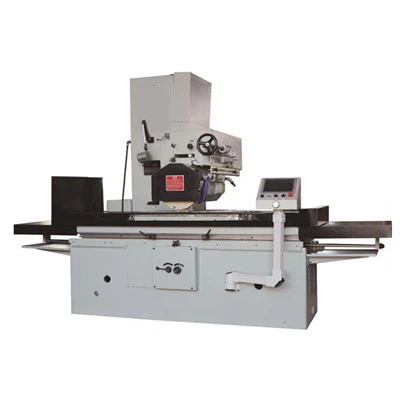
Improving the surface finish of your workpiece on a surface grinding machine requires a combination of the right grinding wheel, optimized grinding parameters, the right coolant, and proper machine maintenance. By following these tips and tricks, you can achieve a smooth and even surface finish that meets your requirements.
CNC Centerless Grinder If you’re interested in learning more about surface grinding machines or improving the surface finish of your workpieces, feel free to reach out to me. I’d be happy to answer any questions you may have and help you find the right solution for your needs.
References
- "Surface Grinding Handbook" by Paul E. Dechow
- "Modern Grinding Technology" by Stephen Malkin
- "Grinding: Theory and Applications of Machining with Abrasives" by Peter K. Wright and David A. Batchelor
Wuxi Mingxu Machinery Equipment Co., Ltd.
As one of the most professional surface grinding machine manufacturers and suppliers in China, we’re featured by quality products and good price. Please rest assured to buy the best surface grinding machine for sale here from our factory. Also, custom service is available.
Address: No. 5-5 Jinke Wealth Plaza, Changjiang North Road, Xinwu District, Wuxi City, Jiangsu Province
E-mail: yingyingmxjd@163.com
WebSite: https://www.mingxu-china.com/
