If you’ve ever spent time around commercial construction, data center builds, or industrial facility upgrades, you’ve probably noticed a set of smooth, galvanized metal tracks running along walls, under raised floors, or above drop ceilings. Chances are, those are cable trays—and a lot of the time, they’re made of stainless steel. As a cable tray supplier who’s worked with installers, engineers, and facility managers for over a decade, I’ve seen how many people mix up cable trays with just plain wire or PVC conduits, or even basic galvanized steel trays. Let’s break down what stainless steel cable trays actually are, why they matter, and how they fit into the projects we ship every week. Cable Tray
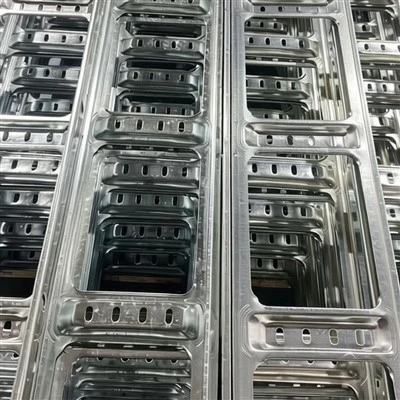
First, let’s cut through the jargon. A cable tray is a rigid, structural system designed to support and route electrical cables, data cables, fiber optics, and even smaller power lines. It’s not meant to enclose cables the way a pipe or conduit does—instead, it’s an open or semi-open framework that lets cables breathe, simplifies ventilation, and makes future additions or replacements way easier than tearing into a sealed conduit. A stainless steel cable tray is simply that framework, manufactured from alloys where iron is the base, with at least 10.5% chromium added to create that rust-resistant, non-corrosive surface we all associate with stainless steel.
Not all stainless steel is the same, though, and that’s a detail I make sure every customer understands before they place an order. The two most common grades we stock for cable trays are 304 and 316 stainless steel. Grade 304 is the workhorse for most indoor and mild outdoor applications: it’s resistant to rust from everyday moisture, minor spills, and general humidity, and it’s strong enough to support the weight of dozens of power cables or high-density data runs. That’s what we use for office buildings, retail spaces, or standard industrial warehouses that see occasional washdowns. Grade 316 is the heavy-duty option, with added molybdenum that makes it resistant to salt, harsh chemicals, and corrosive fumes. We specify that for coastal facilities, pharmaceutical plants, food processing factories where sanitizing chemicals are used daily, or areas near the ocean where salt air eats through weaker metals fast.
Now, why choose a stainless steel tray over alternatives like galvanized steel, aluminum, or even PVC? That’s the question most clients ask when they’re budgeting for a project, and the answer depends entirely on the environment. Galvanized steel trays are cheaper upfront, but after a few years in a high-moisture or corrosive area, they’ll start to show rust spots, and the zinc coating flaks off. That’s a problem because rust can eat through the tray’s structural strength, and any debris from flaked zinc can damage cable insulation. PVC trays, meanwhile, are light and cheap, but they can’t handle high heat—around 140 degrees Fahrenheit, they start to warp—and they’re not strong enough for heavy cable loads. Aluminum is lighter than stainless steel, but it’s softer, so it bends more under weight, and it’s prone to corrosion when paired with certain other metals.
Stainless steel solves most of those pain points. Its corrosion resistance means it doesn’t need frequent maintenance, which cuts long-term costs for facilities that would otherwise have to replace cable trays every 5 to 10 years. It’s also non-combustible, which is a huge deal for buildings with strict fire codes. When a fire breaks out, PVC melts, aluminum softens, and galvanized steel can lose its strength fast, but stainless steel stays rigid enough to hold cables in place for longer, slowing the spread of electrical fires. It also doesn’t off-gas toxic fumes when exposed to high heat, which is critical for data centers, hospitals, and offices where evacuations rely on air quality during a fire.
Another big advantage that people overlook: stainless steel cable trays are easy to modify. When we install a tray, it’s cut to length, bent into elbows or tees right on site, and secured with stainless steel bolts that won’t rust. If a facility needs to add a new server rack, run extra fiber, or reconfigure a section of the network years later, installers can drill holes, add new tray sections, or adjust supports without worrying about rust ruining tools or damaging cables. That flexibility saves massive amounts of downtime, which is a huge cost saver for businesses that can’t afford to shut down operations.
We get a lot of requests for custom stainless steel trays, too. Not every project is a standard office build—some are narrow spaces in old factory basements, or curved runs along concrete walls, or trays that need to fit around mechanical pipes. We don’t just offer pre-cut straight sections; we can bend trays to custom radii, make tees and crosses for branching cable runs, and even fabricate custom enclosures for specific cable types like high-voltage power lines. That’s part of why we work with so many small general contractors and large national construction firms alike—we can match a project’s exact needs, not just a one-size-fits-all option.
Of course, stainless steel isn’t always the right pick. If you’re working on a small residential remodel, for example, a PVC tray might be more than enough, and way cheaper. Or if you’re in a dry, low-corrosion area, galvanized steel will work just fine for the life of the project. The key is knowing when the tradeoffs of stainless steel make sense: when maintenance costs matter, when the environment is harsh, when fire safety is a priority, or when you need flexibility for future changes. We help clients sort that out all the time—last quarter, we had a food processing plant client who initially quoted galvanized trays, but after we walked them through their daily sanitizing routines, they switched to 316 stainless, and now they tell us it’s saved them from replacing corroded trays three times in the past two years.
Let’s also talk about installation, because a tray is only as good as how it’s put up. Stainless steel trays are heavy—way heavier than aluminum or PVC—so you can’t just mount them with cheap drywall anchors. They need proper support brackets, spaced at consistent intervals to hold the weight of the cables and the tray itself. We supply all the matching stainless steel brackets and fasteners with every order, because using a regular steel bolt would lead to rust seeping into the connection points, even if the tray is stainless. That’s a small detail, but it’s one that separates a good supplier from one that cuts corners. We also offer on-site support for installation teams—our technicians will walk a crew through how to bend trays, seal joints, and mount supports correctly, so there’s no weak spots after the tray is up.
As someone who’s seen the cable tray industry change over the last 15 years, one shift stands out: more and more projects are choosing stainless steel for not just industrial use, but commercial and even residential high-rises. Why? Because building owners are looking for long-term value, not just upfront cost. A stainless steel tray might cost 20 to 30% more than a galvanized one at the start, but it lasts 3 to 5 times longer, requires almost no maintenance, and reduces the risk of cable damage or fire. For a 10-story office building, that difference adds up to tens of thousands of dollars saved over 20 years.
I’ve also seen how stainless steel performs in emergency situations. A few years back, a coastal data center we supplied was hit by a minor storm that brought saltwater flooding. The stainless steel trays held up perfectly, even after being submerged for a few hours, while the aluminum trays in a nearby wing corroded and had to be replaced. That’s not a rare case—saltwater, high humidity, and corrosive chemicals are where stainless steel truly earns its price tag.
If you’re planning a project right now, whether it’s a new warehouse, a retail store, a hospital, or a data center, take a minute to think about the environment your cable trays will live in. Will they be exposed to rain, salt air, or cleaning chemicals? Will you need to add cables 5 or 10 years down the line? Does the local fire code have strict requirements for non-combustible materials? If any of those are yes, stainless steel cable trays are almost definitely worth considering.
At the end of the day, a cable tray might seem like a small, unglamorous part of a build, but it’s the backbone of every electrical and data system in a facility. A flimsy, corroded tray can cause cables to sag, get damaged, or even start a fire, which leads to costly downtime and safety risks. A high-quality stainless steel tray doesn’t just hold cables—it protects them, saves money over time, and gives you the flexibility to adapt as your needs change.

If you’re ready to talk about which stainless steel cable tray grade or design works for your project, or if you have questions about pricing, custom fabrication, or installation support, we’re here to help. We work with installers, engineers, and facility managers to supply trays that fit exact specifications, no matter how big or small the job is. Reach out to connect, and we can walk through your needs, share case studies from similar projects, and help you make the right choice for your budget and long-term goals.
Wire Mesh References
- National Electrical Manufacturers Association (NEMA). "Cable Tray Systems: Design and Installation Guidelines", 2021.
- ASTM International. "Standard Specification for Stainless Steel Cable Trays", F1177-20, 2020.
- Occupational Safety and Health Administration (OSHA). "Fire Safety in Electrical Systems for Commercial Facilities", 2022.
- Stainless Steel Industry Association. "Corrosion Resistance of Stainless Steel for Industrial Applications", 2019.
Hebei Shenyi Metal Products Co., Ltd.
Hebei Shenyi Metal Products Co., Ltd. is one of the most professional cable tray manufacturers and suppliers in China, featured by quality products and good service. Please rest assured to wholesale durable cable tray in stock here and get free sample from our factory. Customized orders are welcome.
Address: Gengtun Industrial Zone, Gengtun Village, Xiliangwa Township, Anping County, Hengshui City, Hebei Province
E-mail: HBshenyi@outlook.com
WebSite: https://www.shenyimetal.com/
