Hey everyone, it’s Jake here, and if you’ve ever worked with melamine-faced MDF (let’s just call it MFMDF for short, yeah? Way less of a mouthful), you’ve probably stared at a project at some point wondering, “Wait, can I drill this stuff without turning it into a hot, splintery mess?” As someone who’s been supplying MFMDF for the last 8 years—man, I’ve seen every mistake under the sun on job sites, in home workshops, even from folks just starting their first DIY cabinet build—this is one of the most common questions I get. So let’s break this down straight, no fancy jargon, no stuff that sounds like a textbook. Just the real talk you need. Melamine Faced Mdf
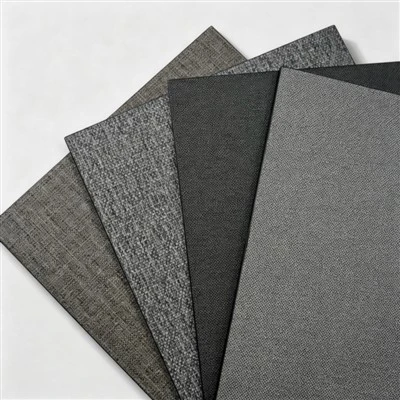
First off, let’s get one thing clear: you absolutely can drill melamine-faced MDF. In fact, it’s one of the reasons this material is so popular for everything from kitchen cabinets to floating shelves, built-in entertainment centers, even kid’s bedroom furniture. The melamine layer is that hard, smooth, vinyl-like veneer on top, and the core is medium-density fiberboard—super dense, consistent, way more stable than regular particleboard. But here’s the catch: drill it wrong, and that nice melamine face chips, cracks, or leaves that fuzzy, ragged edge that makes every project look unfinished. I’ve had customers come back to me panicking because they drilled a shelf for their TV mount and now it’s got a gaping chip that ruined the whole look. Don’t be that person. Let’s talk about how to avoid that.
Let’s start with the basics of why MFMDF behaves the way it does when drilling. The melamine face is hard, but it’s also brittle. The MDF core is dense, so a drill bit that works on soft pine won’t cut it here. If you just grab a random twist bit from your junk drawer, that’s where the problem starts. Those bits are designed to “bite” into wood, and when they hit the melamine, they catch too fast and tear the edge out before the bit even gets through. I’ve seen guys crank a drill on high speed and wonder why half the melamine face is gone—high speed makes the bit run hot, too, and heat melts the melamine a little, leaving that sticky, burnt gunk that’s a nightmare to clean.
So what tools do you actually need? First, the drill bit. Skip the generic twist bits. You need a drill bit with a sharp, pointed center—this is called an “center point” or “brad point” bit. It has two little sharp points at the tip that score the melamine face before the cutting edges do. That keeps the bit from sliding around and tearing the edge right as it starts drilling. I always recommend 1/8-inch to 1-inch brad point bits for MFMDF—anything bigger than that, you can get stepped bits if you want cleaner edges, but brad points work 9 times out of 10. Pro tip: if you don’t have a brad point bit, a Forstner bit works too, but it’s overkill for small holes. Just don’t use spade bits—they’re way too rough and will tear up the melamine like nothing else.
Next, speed and pressure. This is non-negotiable. Keep your drill on low speed—most cordless drills have a 1 or 2 setting, use 1. Low speed means the bit cuts clean, not races, and doesn’t generate excess heat. Pressure: don’t push super hard. Let the bit do the work. If you’re forcing it, you’re just making the bit catch, which leads to chipping. Think of it like butter—gentle, steady pressure, not shoving. And here’s another little trick I swear by: when you start drilling, hold the drill perpendicular to the face. As you get close to the other side, ease up on the pressure a tiny bit. That’s when the melamine is most likely to tear—so slowing down as you break through saves that clean edge.
Wait, what about if you’re drilling through both sides? Like if you’re making a cabinet door that needs holes on both ends for hinges. Put a scrap piece of MDF or plywood behind the piece you’re drilling. That way, when the bit breaks through the back, it’s pushing into a solid surface, not just air, which prevents the backside melamine from chipping. I keep a stack of scrap 1/2-inch MDF in my warehouse specifically for this—customers grab them all the time for projects. It’s a $5 fix that saves you from ruining a $50 sheet of MFMDF.
What about when you’re drilling into the edge of the MDF, not the flat face? The edge of MFMDF is just the raw MDF core, right? No melamine there. That’s a little easier, but still—don’t use a twist bit here either, because it can tear the edge of the core. Same brad point bit works, or even a regular wood bit if it’s a small hole, but still low speed. The only thing to watch for on edges is that MDF is dense, so it can dull bits faster than soft wood. I recommend sharpening your bits every few sheets, or just buying a set of quality brad point bits—cheap ones will dull after 2 or 3 sheets, so it’s worth spending a little more.
Now, let’s address the big myths I hear all the time. First myth: “Drilling MFMDF makes it toxic.” Wait, no—melamine is a resin, it’s non-toxic once it’s cured, which it is when it’s a finished sheet. The dust you get when drilling? It’s just wood dust from the MDF core, same as any wood dust. Not great to breathe in, obviously—so wear a mask, that’s basic shop safety. But it’s not some weird toxic fume. I’ve been drilling this stuff for years and never had an issue, as long as I use a N95 mask. Second myth: “You can only drill small holes, not big ones.” If you use the right bit and go slow, you can drill a 2-inch hole in MFMDF no problem. I did a project last year where we drilled 1.5-inch holes for pipe runs in a set of floating shelves, and they were perfectly clean—no chips, no cracks, just smooth holes ready for the pipes. Third myth: “Pre-drilling is only for screws, not for plain holes.” Wrong. Pre-drilling a pilot hole first, even for a simple hole, keeps the bit from sliding and tearing. Mark your hole with a pencil, then make a tiny indent with a nail or a center punch before drilling. That keeps the bit from walking all over the face—game changer for straight, clean holes.
Here’s a common mistake I see new contractors or DIYers make: using a drill press. Wait, drill presses are great for straight holes, but if you clamp the MFMDF down too tight, especially thin sheets (like 1/4-inch or 1/2-inch), the melamine can crack right along the hole. I’ve had a customer call me in a panic because his drill press clamped a 1/4-inch shelf so tight the hole cracked. If you use a drill press, use a piece of wax paper or a thin scrap between the clamp and the MFMDF to distribute pressure, or just don’t clamp it as tight. For most people, a regular cordless drill is totally fine—way more flexible, too.
Now, what about post-drilling? Once your hole is done, do you need to do anything? If it’s a shelf or a frame, no—especially if you’re using it indoors. The edge of the MDF core is porous, but if you’re drilling for screws, you can add a little wood glue to the pilot hole if you want extra hold, but that’s optional. If it’s a high-moisture area, like a bathroom cabinet, you can seal the drilled edge with a melamine sealer or even a clear nail polish to prevent swelling, but that’s for areas that get wet. Most of the time, a clean drill is all you need.
As your supplier, let me be real with you: we sell MFMDF for a reason. It’s durable, easy to work with, way lower maintenance than solid wood or laminate. The only time we recommend skipping drilling is if you absolutely have to have a huge hole in a thin sheet—like a 3-inch hole in 1/4-inch MDF—then we suggest cutting the hole with a jigsaw or a hole saw for metal, but even then, brad point bits work if you’re careful.
Wait, let’s tie this back to you—whether you’re a contractor, a furniture maker, a DIYer working on your first kitchen remodel. I’ve had guys come to me with a sheet of MFMDF that they drilled all wrong, and they’re ready to toss it. But 9 times out of 10, it’s not the material’s fault—it’s the drill bit or the speed. I always tell them: take a 10-minute trip to the hardware store, grab a $5 brad point bit, go home, drill slow, and you’ll have a clean hole. No more chips, no more wasted material.
If you’re planning a big project—like a whole set of kitchen cabinets, or built-in shelving that needs 20+ holes—hit me up. We’ve been supplying MFMDF to small contractors, big renovation companies, and even hobbyist woodworkers for years, and we know exactly what specs work best for drilling, cutting, anything you need. We don’t just sell sheets—we give out the same tips I’m telling you here, because we want you to be happy with the finished product, and come back for more sheets when your next project rolls around. No fine print, no hidden fees, just straight talk and quality MFMDF that’s easy to work with when you know how.

So to recap: yes, you can drill melamine-faced MDF. Use a brad point bit, go low speed, gentle pressure, support the back of the sheet when drilling through, and don’t forget that scrap piece. Skip the twist bits, high speed, and cramming down on the drill. It’s not rocket science, but it’s the little details that make all the difference.
Melamine Blockboard If you’re looking to pick up MFMDF for your next project, or just have more questions about drilling, cutting, finishing—hit us up. We’re here to help you get the job done right, without the headache of ruining a sheet or wasting time fixing a botched hole.
References
- Woodworking Network. (2022). Working with melamine-faced MDF: Best practices for drilling and cutting.
- American Wood Council. (2021). Technical guide for machining medium-density fiberboard and melamine-faced composites.
- Fine Woodworking. (2020). Common mistakes when working with laminate-faced panel products.
- Composite Panel Association. (2019). Machining guidelines for melamine-coated fiberboard panels.
- Popular Woodworking. (2021). Drill bit types for wood composites: Which one works best for MDF and melamine.
Jiangshan Shunlong Wood Industry Co., Ltd.
As one of the most professional melamine faced mdf manufacturers and suppliers in China, our products have good reputation in the market. Please feel free to wholesale bulk melamine faced mdf in stock here and get quotation from our factory. We also accept customized orders.
Address: No.7 Jinfeng Road, Jintangshan Industrial Zone, Hecun Town, Jiangshan City, Quzhou City, Zhejiang Province
E-mail: 17858202655@163.com
WebSite: https://www.shunlongwood.com/
