Hey there, if you’re running a farm or just getting into the game, you know how game-changing good farm implements can be. A new combine that cuts harvest time in half? No-brainer. A precision seeder that slashes seed waste? Chef’s kiss. But let’s be real—farm gear isn’t cheap. I’ve been in the farm implements game for years, talking to folks from small family operations to mid-sized commercial farms, and one question comes up more than “when’s the next rain?”: Are there actual financing options for buying this stuff? Farm Implements
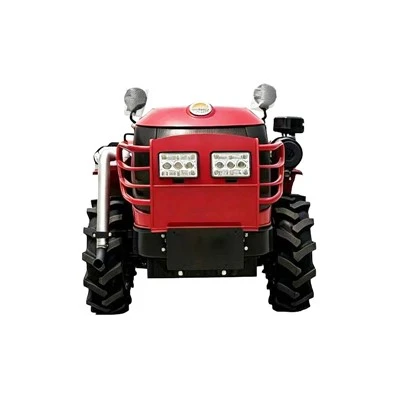
Spoiler: Yeah, there are. A lot of ’em. But not all financing is made equal, and picking the wrong one can leave you staring at a tight budget way longer than you want. Today, I’m breaking down the real, workable options I’ve seen people use (and some I’ve even helped folks through as a supplier), plus the stuff you need to ask before you sign any dotted line. Let’s cut through the finance jargon and get to what actually matters for your farm.
First off, let’s get one thing straight: I’m not a loan officer. I’m the guy who’s been selling tractors, balers, and tillers to farmers for over a decade, so I’ve seen what works when corn prices are high, when they’re low, when a storm wipes out half a crop, and everything in between. What I can tell you is this—most farmers I work with don’t just pull out a checkbook for a $50k combine. They weigh their cash flow, their upcoming harvest projections, and how long they’ll actually use the gear before they start shopping for money.
The go-to for most folks: Equipment-specific loans
This is the bread and butter of farm implement financing, and it’s exactly what it sounds like. You take out a loan specifically for the piece of gear you’re buying, and the implement itself is collateral. Simple, right? I work with a few local banks and farm credit unions that specialize in this—they get farming. They don’t care if your credit is “only” 680 because you had a bad year with soybeans in 2021. They care if you have a solid history of working the land, a clear plan for how the new seeder will make you money (like, “it’ll cut seed use by 10% and let me plant 50 more acres this year”), and a timeline to pay it back.
The good stuff here: Rates are usually lower than personal loans because the gear is collateral. Terms can be flexible—some lenders let you pay over 3, 5, even 7 years, which makes big-ticket items like a new hay baler feel doable instead of a emergency. And here’s a pro tip I’ve seen work: if you’re buying used gear (a lot of farmers swear by late-model used implements to save cash), you can still get an equipment loan for that. I’ve had farmers come in with a pick-up truck full of cash for a 2019 tiller, and then switch to an equipment loan because the rate was almost 2% lower than what their bank’s personal line offered.
The catch? Don’t skip the fine print. Some lenders charge a prepayment penalty if you pay off the loan early, which is huge if you have a great harvest year and want to knock out the balance before the term ends. Read that part, ask your banker to explain it like you’re a new kid on the block, and don’t be afraid to walk away if it feels off.
Next up: Dealer financing (that’s us, by the way)
A lot of suppliers—including mine—offer in-house financing, and it’s way more common than you think. Why? Because we want you to buy from us, plain and simple. We know if we can help you work out a payment plan that fits, you’ll be back for repairs, parts, and more gear down the line.
What’s cool about dealer financing? It’s fast. Like, you can get approved in 24 hours, not the 3-5 days some banks take. No need to jump through every single hoop like submitting 12 months of tax returns (okay, maybe a few hoops, but way less). I’ve had a farmer come in at 2PM needing a sprayer to get their corn treated before a rain that was coming at 8AM, and we got him approved by 3PM so he could grab it and get to work. That’s the kind of speed you don’t get with a traditional bank.
Rates here vary, obviously. Sometimes we run promotional deals—like 0% interest for 12 months for farmers buying a new planter during off-season, or deferred payments until after harvest. That’s a huge one for folks who don’t want to start paying on a $30k combine while they’re still dealing with planting season costs. The deferred plan lets you make your first payment 3 months after harvest, when you’ve already got some revenue rolling in.
The catch here: Don’t just take the first dealer offer. Compare rates with your bank’s equipment loan, and make sure the fine print doesn’t have hidden fees. A lot of dealer financing has higher rates if you have lower credit, so it’s worth checking both sides before you commit. And hey, as your supplier, I always tell folks—if you’re looking at dealer financing, we’ll sit down and walk through every number together, no pressure. That’s just how we do business.
Smaller, flexible options for tiny farms or side hustles
If you’re a new farmer, or just running a small hobby operation, big loans might feel intimidating. No worries—there are options here too.
First, microloans. A lot of community banks and even some ag-focused nonprofits offer small, low-interest loans for new and small-scale farmers. I know a few guys who started with a $5k microloan to buy a small tractor and a mower, and then graduated to bigger loans a couple years later when their hay business took off. These are way easier to qualify for if you’re just starting out, because they’re designed for folks who don’t have a 10-year history of large farm revenue.
Another one: Personal lines of credit. If you already have a good relationship with your bank, a personal line of credit (PLOC) can work for smaller implements or even a backup plan. The downside here is the interest rate is usually higher than an equipment-specific loan, but if you’re only borrowing a few thousand bucks for a used seeder, it might be worth it. Just don’t overextend—don’t use your PLOC for every single new part, because that can add up fast.
The “borrow from someone you trust” route (but proceed with caution)
I’m gonna be real here—some farmers borrow from family members, friends, or even other local farmers they’ve built a relationship with. It works for some, but it can blow up if things go south. I’ve seen it go great: a cousin lends a guy $20k for a new baler, they pay him back in a year with no interest, and it’s just another thing that bonds them. But I’ve also seen it get messy when a harvest is bad, and the payment timeline gets missed, and suddenly it’s a fight instead of a loan.
If you go this route, treat it like a real loan. Write down the terms: how much, what the interest rate is (even if it’s 0%), when payments are due, what happens if you can’t pay on time. Don’t assume “we’re family” means no paperwork. It’ll save a lot of stress later.
What not to do (the stuff I see farmers regret)
Let’s wrap this up with a few things I always warn folks against, because I’ve seen these mistakes cost people way more than they should.
First, don’t stretch too far for gear you don’t need. I had a farmer come in last year who saved up enough for a good used tractor, and talked himself into a new, fancy one with all the gadgets he’d never use. He got a loan with a super high monthly payment, and by mid-season, he was cutting corners on repairs because he was so focused on paying that gear off. Stick to what you actually need—if you don’t need a GPS-guided combine, don’t finance one just because it looks cool.
Second, don’t ignore your credit. I know farm revenue can be up and down, but checking your credit a few months before you apply for a loan is a good move. Fix any mistakes (like a missed credit card payment that was just a billing error) because even a 50-point drop can make a big difference in your rate.
Third, don’t rush it. If a dealer or lender pressures you to sign right away, walk away. Good financing is supposed to fit your farm, not theirs. Take a week, talk it over with your partner, check in with your accountant, and don’t let a salesperson rush you into something that’ll mess up your budget for the next 5 years.
At the end of the day, buying farm implements is an investment in your farm, right? You’re not just buying a tractor—you’re buying the ability to work more efficiently, make more money, and keep your land healthy for the next generation. The right financing makes that investment feel doable, not overwhelming.
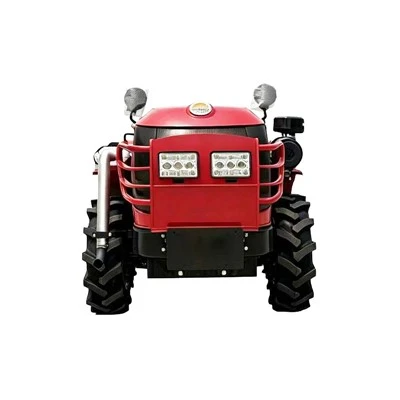
If you’re in the market for new or used farm implements, and you want to walk through your financing options with someone who knows the game (and won’t B.S. you), hit me up. I’m here to help you figure out what works for your farm, not just sell you something. Don’t let the cost of gear stop you from making your farm better—there’s a way to make it work, and I’m here to show you how.
References
Tractor USDA Rural Development. (2023). Farm Loan Programs for Beginning and Small-Scale Farmers.
Farm Credit Administration. (2022). Equipment Financing Guide for Agricultural Producers.
National Agricultural Statistics Service. (2023). Farm Financial Characteristics and Credit Trends.
Shandong Jiayuan Agricultural Equipment Co., Ltd.
As one of the most professional farm implements manufacturers and suppliers in China, we have world-leading production equipment and strong manufacturing capabilities. Please feel free to buy advanced farm implements for sale here from our factory.
Address: No.2, No.002777 Zhongjiang West 4th Street, Yangzi Subdistrict, Binhai District, Weifang City, Shandong Province, China
E-mail: sdjynyzb@163.com
WebSite: https://www.jiayuantractor.com/
