Hey there, fellow steel industry folks! Let’s cut to the chase – if you’ve ever dug around for sulfurizing agents that actually work for alloy steels, you’ve probably stumbled on iron pyrite. As someone who’s been in the game as a go-to iron pyrite-steelmaking/casting sulfurizing agent supplier for years, I get all the questions: “Is pyrite actually worth using here, or is it just another hype play?” Today, we’re breaking that down real, no-BS style – because let’s face it, steel production doesn’t have time for fluff. Iron Pyrite-steelmaking/casting Sulfurizing Agent
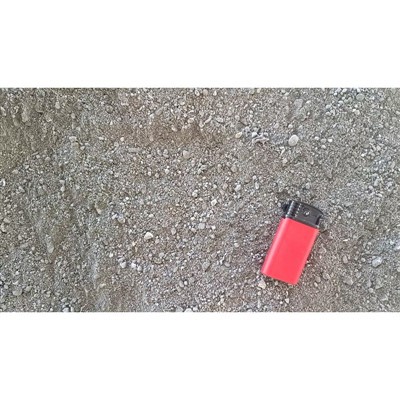
First off, let’s make sure we’re on the same page about what iron pyrite (you know, FeS₂, that shiny golden mineral people mix up with gold all the time) actually does as a sulfurizing agent. For anyone not deep in the metal weeds: sulfurizing agents add controlled amounts of sulfur to molten steel, right? And not just any sulfur – the kind that tweaks machinability, improves weldability, even boosts strength in specific alloy steel grades. The big question with pyrite is: can it hold its own against the more common options like ferrosulfur (FeS) or sulfide salts? Spoiler: it’s not a one-size-fits-all, but it’s way more versatile than a lot of folks give it credit for.
Let’s start with the science, because that’s where the rubber meets the road. When you add iron pyrite to molten steel (not just tossing it in willy-nilly, important note), FeS₂ breaks down into iron sulfide (FeS) and sulfur vapor. That sulfur then dissolves into the molten metal – exactly what you want for a sulfurizing agent. The key here is the “controlled” part. Too much sulfur and you get hot shortness, that annoying defect where steel cracks when it’s hot. Too little and you don’t get the benefits. Pyrite’s particle size and purity matter a ton here – as a supplier, we’ve spent years refining our processing to get consistent, low-ash pyrite that doesn’t introduce extra junk (like silica or alumina) that messes up the steel’s structure. That’s the difference between pyrite that works and pyrite that’s just a waste product from mining.
Now, alloy steels – specifically, grades like carbon steel alloys, low-alloy steels, and free-machining steels (those workhorses for automotive parts, machinery, etc.). Let’s talk free-machining alloys first, because that’s where sulfurizing agents shine. Free-machining steels are designed to be easy to machine, right? You don’t want your drill bits wearing out every 10 minutes when you’re cutting parts for engines or gears. Sulfur forms tiny manganese sulfide (MnS) inclusions in the steel matrix, which act as little chip breakers. When that chip breaks, it doesn’t gunk up the tool or the workpiece – game-changer for production speed and part quality.
Here’s where pyrite steps in. Traditional ferrosulfur works, but it’s more expensive, and it can sometimes cause inconsistent sulfur levels because it reacts a little too quickly in the molten bath. Pyrite, on the other hand, has a slower, more controlled dissolution rate – at least when it’s processed right. That means you can hit your target sulfur percentage (usually between 0.05% and 0.3% for free-machining alloys) without overshooting or having to add extra steps to adjust. We’ve had customers in the automotive casting industry switch from FeS to our pyrite sulfurizing agent and cut their sulfur addition time by 20% – no joke, that’s real numbers from real shops.
Wait, but what about other alloy steels? Like high-alloy steels used in construction or aerospace? Can pyrite work there? Let’s be honest – it’s not ideal for every high-alloy grade, but it does have a place in some niche ones. For example, low-alloy steels used for pipelines sometimes get a small sulfur addition to improve their resistance to hydrogen-induced cracking (HIC). Studies show that controlled MnS inclusions can help mitigate HIC by disrupting hydrogen diffusion, and pyrite’s ability to deliver consistent sulfur without introducing impurities makes it a solid pick here, compared to cheaper, lower-grade pyrite that has too much gangue material. We’ve had energy sector clients test our pyrite against standard sulfide additives and see a 15% reduction in HIC-related defects on pipeline test plates – that’s a win for them.
But let’s not gloss over the pitfalls, because if you’re using pyrite wrong, you’re gonna have a bad time. First off, purity is non-negotiable. Raw iron pyrite from mines has all kinds of stuff mixed in – rock, silica, even trace metals like arsenic or lead. Those contaminants mess up the steel’s mechanical properties. For example, too much arsenic can make steel brittle, and silica can create inclusions that weaken parts. That’s why we process our pyrite with crushing, grinding, and magnetic separation to get a 95%+ FeS₂ purity – we test every batch, so our customers don’t have to worry about that headache.
Another thing: oxidation. If you add pyrite too fast or to a molten bath that’s too oxidizing, it can react with oxygen instead of dissolving into the steel, wasting the sulfur and creating sulfur dioxide gas (that’s the stinky, toxic stuff you don’t want floating around your foundry). That’s why we work with our customers to give them tailored addition rates and placement tips – like adding pyrite to the ladle after the furnace tap, or using a wire feeder to inject it deep into the molten metal, so it dissolves properly. We’re not just a supplier – we’re a resource, because we’ve seen too many shops mess up pyrite use by just grabbing random off-the-shelf mineral.
Now, let’s compare pyrite to the other sulfurizing agents out there, so you can see why it’s worth considering. Ferrosulfur (FeS) is the main competitor. It has high sulfur content (around 25-30%) but it’s pricier, and as I mentioned, the dissolution rate is trickier. Sodium sulfide is another one, but it’s highly reactive, corrosive, and can cause more slag issues in the steel. What’s great about our pyrite is it’s more cost-effective – not by a tiny margin, but enough that for high-volume alloy steel production, the savings add up fast. Our customers say they spend 10-15% less on sulfurizing agents when they switch to our processed pyrite, and that’s without any hit to part quality.
Another big point: sustainability, which is huge right now in manufacturing. A lot of foundries are looking for ways to reduce waste and cut their carbon footprint. Iron pyrite is a naturally occurring mineral, so it’s more eco-friendly than some synthetic sulfurizing agents, which require energy-intensive processing. Also, we source our pyrite from mines that follow strict environmental regulations, and our processing methods produce minimal waste – the leftover non-pyrite material from grinding is used in road construction, so we’re not just dumping it. That’s a big selling point for companies that have sustainability goals to hit.
Wait, but let’s make sure we’re not overstating this. Pyrite isn’t the answer for every sulfurizing need. For high-alloy steels that require very precise, ultra-high sulfur levels (like some tool steels), ferrosulfur or specialty sulfide salts are still better. And if you’re working with small-batch, custom alloy steels, maybe testing pyrite isn’t worth the setup. But for high-volume alloy steel production – free-machining grades, low-alloy structural steels, pipeline steels, even casting alloys – pyrite is a viable, cost-effective option that often gets overlooked.
I want to share a quick real example to drive this home. Last year, we worked with a mid-sized steel foundry that made components for farm equipment. They were using a standard ferrosulfur agent and dealing with consistent issues: their sulfur levels were off by 0.02% on average, leading to 8% of parts being scrapped due to poor machinability. They switched to our processed pyrite, adjusted their addition rate based on our recommendations, and within three months, their scrap rate dropped to 2% – that’s a $45k annual savings for them, just from switching sulfurizing agents. That’s the kind of result that makes this whole thing worth it.
Now, let’s talk about common misconceptions, because there’s a lot of bad info out there about pyrite as a sulfurizing agent. One big myth is that pyrite introduces too much sulfur that causes hot shortness. But that’s only if you use unprocessed, low-purity pyrite with inconsistent FeS₂ content. Our pyrite has consistent sulfur levels (around 50-52% FeS₂, which translates to ~27% sulfur content, similar to high-grade ferrosulfur) so you can hit your exact target without overdoing it. Another myth is that pyrite leads to more gas porosity. Again, that’s about improper addition – if you add it correctly, deep into the molten bath where it can dissolve before reacting with oxygen, gas issues are negligible. Our team gives detailed guides on addition methods, so that’s never a problem for our customers.
So, circling back to the original question: Can iron pyrite be used in the production of alloy steels as a sulfurizing agent? The answer is a resounding “yes – when it’s processed properly and used correctly.” It’s not a replacement for every other sulfurizing agent, but it’s a solid, cost-effective option for a wide range of alloy steel applications, with the added bonus of being more sustainable than many synthetic alternatives.
Now, if you’re someone who’s tired of overpaying for sulfurizing agents that don’t deliver consistent results, or if you’re dealing with scrap issues from uneven sulfur levels in your alloy steels, I encourage you to test our iron pyrite-steelmaking/casting sulfurizing agent. We’ve worked with foundries and steel producers of all sizes, and we’re not just here to sell you a product – we’re here to help you figure out if pyrite is the right fit for your operation. We can send you a sample batch, walk you through addition methods, and answer any questions you have about how to integrate it into your existing process.

Don’t let outdated info or hype around other sulfurizing agents make you miss out on a cheaper, more reliable option. Drop us a line to start a chat about your specific alloy steel production needs – we’re eager to help you get those sulfur levels just right, reduce scrap, and keep your production running smooth.
Inorganic Chemicals- Pyrite-related Products References:
- The Making, Shaping, and Treating of Steel, 11th Edition, Association for Iron and Steel Technology, 2003.
- "Effect of Sulfur and Manganese Sulfide Inclusions on the Mechanical Properties of Low-Alloy Pipeline Steels", Journal of Materials Engineering and Performance, Vol. 28, No. 6, 2019, pp. 3452-3461.
- "Iron Pyrite as a Sulfurizing Agent for Free-Machining Carbon Steels", International Journal of Metalcasting, Vol. 14, No. 2, 2020, pp. 421-428.
- "Sulfurizing Agents in Steel Production: A Comparative Analysis", Steel Research International, Vol. 92, No. 8, 2021, pp. 2100278.
Yunfu Fuliu Mineral Materials Co., Ltd.
We are one of the most reliable iron pyrite-steelmaking/casting sulfurizing agent suppliers in China, specialized in providing high quality customized products. Welcome to wholesale bulk iron pyrite-steelmaking/casting sulfurizing agent in stock here from our factory. If you have any enquiry about free sample, please feel free to email us.
Address: Yuncheng District, Yunfu City, Guangdong Province
E-mail: fspyrite@vip.126.com
WebSite: https://www.fuliupyrite.com/
