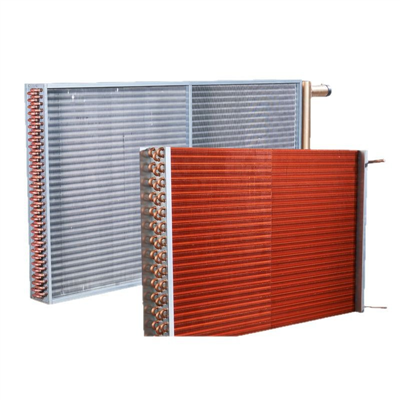
As a finned tube supplier deeply entrenched in the industry, I’ve witnessed firsthand the significance of finned tube surface roughness and its far – reaching impacts. In this blog, I aim to shed light on what finned tube surface roughness is and how it affects various aspects of finned tube performance. Finned Tube
Understanding Finned Tube Surface Roughness
Surface roughness refers to the microscopic irregularities present on the surface of a finned tube. These irregularities can range from small bumps and valleys to more pronounced ridges. It is typically quantified using parameters such as Ra (arithmetical mean deviation of the assessed profile), Rz (mean height of the profile elements), and others.
The manufacturing process of finned tubes plays a crucial role in determining their surface roughness. For instance, in processes like extrusion, the die used can leave certain patterns on the tube surface. Machining operations such as turning, milling, or grinding also contribute to the final surface texture. Different materials used in finned tube production can also influence the achievable surface roughness. For example, softer materials may be more prone to scratches during handling and processing, resulting in a rougher surface.
Impact on Heat Transfer
One of the most significant impacts of finned tube surface roughness is on heat transfer. A rough surface can enhance heat transfer in several ways. First, it increases the surface area available for heat exchange. The small bumps and valleys on the rough surface effectively enlarge the contact area between the finned tube and the surrounding fluid (either gas or liquid). This increased surface area allows for more efficient heat transfer between the tube and the fluid.
Second, surface roughness can disrupt the boundary layer of the fluid flowing over the finned tube. The boundary layer is a thin layer of fluid adjacent to the tube surface where the fluid velocity is relatively low. A rough surface causes the fluid to flow in a more turbulent manner, which reduces the thickness of the boundary layer. A thinner boundary layer means less resistance to heat transfer, thus improving the overall heat transfer coefficient.
However, there is a limit to the beneficial effects of surface roughness on heat transfer. If the roughness is too extreme, it can cause excessive pressure drop in the fluid flow. This increased pressure drop requires more energy to pump the fluid through the system, which can offset the gains in heat transfer efficiency. Therefore, a balance must be struck between achieving a rough enough surface to enhance heat transfer and keeping the pressure drop within acceptable limits.
Impact on Fouling
Fouling is another important aspect affected by finned tube surface roughness. Fouling refers to the accumulation of unwanted materials on the tube surface, such as scale, dirt, and biological deposits. A rough surface provides more sites for these fouling agents to adhere to. The small crevices and valleys on the rough surface can trap particles and substances, leading to the formation of fouling layers over time.
As fouling builds up on the finned tube surface, it acts as an insulation layer, reducing the heat transfer efficiency. The fouling layer has a lower thermal conductivity compared to the tube material, which means that less heat can be transferred from the tube to the fluid. Additionally, fouling can also increase the pressure drop in the system, as the fouled surface creates more resistance to fluid flow.
To mitigate the effects of fouling, it is important to carefully consider the surface roughness of finned tubes. In applications where fouling is a major concern, a smoother surface may be preferred. However, in some cases, a moderately rough surface can be designed in a way that allows for self – cleaning or easy removal of fouling deposits.
Impact on Corrosion
Surface roughness can also have a significant impact on the corrosion resistance of finned tubes. A rough surface has more exposed areas and sharp edges, which can act as sites for corrosion initiation. Corrosion is an electrochemical process that occurs when the metal surface is in contact with an electrolyte (such as water or a corrosive gas). The irregularities on a rough surface can create local differences in potential, leading to the formation of micro – cells where corrosion can occur.
Moreover, the crevices and valleys on a rough surface can trap moisture and corrosive substances, providing a more favorable environment for corrosion to progress. In contrast, a smooth surface has fewer areas where corrosion can start and is generally more resistant to the penetration of corrosive agents.
To enhance the corrosion resistance of finned tubes, surface treatments such as coatings can be applied. These coatings can help to smooth the surface and provide a barrier between the metal and the corrosive environment. However, it is important to ensure that the coating is applied evenly and that it adheres well to the tube surface, especially in areas with high surface roughness.
Impact on Aerodynamics and Hydrodynamics
In applications where finned tubes are used in fluid flow systems, surface roughness can affect the aerodynamics and hydrodynamics of the system. In gas flow applications, a rough surface can cause more drag on the gas flow. This increased drag requires more energy to move the gas through the system, reducing the overall efficiency.
In liquid flow applications, surface roughness can also affect the flow pattern and the pressure drop. A rough surface can cause the liquid to flow in a more turbulent manner, which can increase the pressure drop. However, in some cases, a certain level of turbulence can be beneficial for heat transfer, as mentioned earlier.
Considerations for Finned Tube Design
When designing finned tubes, it is essential to take into account the surface roughness and its impacts. The choice of surface roughness depends on the specific application requirements. For example, in heat exchangers where high heat transfer efficiency is the primary goal, a moderately rough surface may be preferred. However, in applications where fouling or corrosion are major concerns, a smoother surface may be more appropriate.
Manufacturers also need to ensure that the surface roughness is consistent across the entire finned tube. Inconsistent surface roughness can lead to uneven heat transfer, increased fouling in some areas, and potential corrosion hotspots. Quality control measures should be in place to monitor and control the surface roughness during the manufacturing process.
Conclusion
In conclusion, finned tube surface roughness is a critical factor that can significantly impact the performance of finned tubes in various applications. It affects heat transfer, fouling, corrosion, and aerodynamics/hydrodynamics. As a finned tube supplier, we understand the importance of carefully controlling the surface roughness to meet the specific needs of our customers.
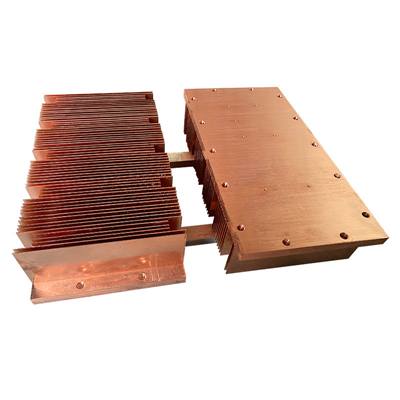
Whether you are looking for finned tubes for a heat exchanger in a power plant, a refrigeration system, or any other application, we can provide high – quality finned tubes with the appropriate surface roughness. Our team of experts can work with you to understand your requirements and recommend the best finned tube solutions.
Evaporator If you are interested in purchasing finned tubes or have any questions about surface roughness and its impact, please feel free to contact us. We are ready to engage in a detailed discussion and help you find the most suitable finned tube products for your project.
References
- Incropera, F. P., & DeWitt, D. P. (2002). Fundamentals of Heat and Mass Transfer. Wiley.
- Holman, J. P. (2009). Heat Transfer. McGraw – Hill.
- Tuckerman, D. B., & Pease, R. F. W. (1981). High – performance heat sinking for VLSI. IEEE Electron Device Letters, 2(5), 126 – 129.
Xiangshui Derkang Refrigeration Equipment Co., Ltd.
As one of the most professional finned tube manufacturers in China, we’re featured by quality products and low price. If you’re going to buy discount finned tube, welcome to get quotation from our factory. We also accept customized orders.
Address: No. 2, Xiaojian Town Entrepreneurship Park, Xiangshui County
E-mail: 505745223@qq.com
WebSite: https://www.xsderk.com/
